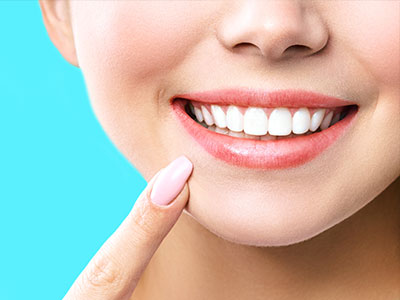
At Granby Dental Center, we understand the confidence a bright smile can bring. ZOOM! Whitening is a professionally supervised bleaching option designed to deliver noticeable results quickly and safely. This page explains how the system works, what to expect during treatment, who tends to benefit most, and how to care for your smile afterward so you can make an informed decision about whether ZOOM! is right for you.
ZOOM! Whitening uses a combination of a peroxide-based whitening gel and a specially calibrated light to accelerate the breakdown of stain-causing molecules on the tooth surface and slightly below it. The light helps the gel activate more efficiently, which means the treatment can achieve a pronounced change in shade in a single visit compared with many over-the-counter products. The system’s formulation and delivery are engineered for in-office control, which helps clinicians manage concentration and exposure time safely.
During an appointment, a trained dental professional applies the whitening gel to exposed tooth surfaces while protecting gums and soft tissues with barrier materials. The lamp is positioned to lightly energize the gel for several timed cycles, and the clinician monitors progress throughout. Because the procedure is performed under professional supervision, adjustments can be made to maximize effectiveness while minimizing discomfort or sensitivity for most patients.
It’s worth noting that ZOOM! is available in several formats, including in-office treatments and professionally prescribed take-home trays. The in-office option is designed for rapid, noticeable results in one appointment, while the supervised home systems offer gradual brightening when patients prefer more flexibility. Your clinician can help determine the best approach based on your goals and oral health.
A typical in-office ZOOM! session begins with a brief exam and cleaning so the whitening gel can make full contact with tooth surfaces. The dental team then isolates the lips and gums using protective barriers and applies the whitening gel to each tooth. The light is positioned for a series of short treatment cycles, with short rests in between to check comfort and shade progress. Most appointments are completed within a single visit.
Throughout the procedure, clinicians watch for sensitivity and can alter cycle lengths or take breaks if needed. Many patients find the experience straightforward: sit back, relax, and let the process run while the team monitors results. Because the treatment is performed in a controlled environment, clinicians can tailor the session to balance effectiveness and comfort for each individual.
After the final cycle, the gel is removed and teeth are rinsed. The clinician will assess the outcome and, if applicable, provide take-home maintenance supplies or recommendations for follow-up care. If you have questions about how the session will feel or how long the appointment will take, the team will outline the protocol in advance so you know what to expect.
ZOOM! Whitening is particularly effective for extrinsic stains, which are surface-level discolorations caused by coffee, tea, tobacco, wine and certain foods. People whose teeth have yellowing from aging or lifestyle factors often see the most dramatic improvements. Because the treatment targets stain molecules rather than changing tooth structure, it is best suited to natural teeth rather than restorations like crowns or veneers, which do not whiten in the same way.
Not every case is a perfect fit for in-office whitening, and an initial dental evaluation helps identify whether ZOOM! is appropriate. Patients with extensive dental restorations, certain types of intrinsic staining, or active oral health issues may be advised on alternative strategies. A clinical assessment ensures the chosen approach aligns with overall dental health and cosmetic goals.
For many adults seeking a reliable, professionally supervised option to brighten their smile, ZOOM! delivers a predictable pathway to noticeable results. Discussing your expectations, dental history, and sensitivity experience with the clinician will help determine whether an in-office session, a take-home regimen, or a combined approach is the most suitable plan.
Mild, temporary sensitivity is the most commonly reported side effect after whitening, and clinicians use several strategies to minimize it. Protective barriers during treatment, carefully controlled exposure times, and the option of desensitizing agents before or after the procedure all contribute to a more comfortable experience. If you have a history of sensitivity, your dental team can recommend modifications to the protocol to reduce the likelihood of discomfort.
Post-treatment care can also influence how comfortably your teeth respond. Using toothpaste formulated for sensitivity, avoiding very hot or cold foods immediately after treatment, and following any specific instructions from your clinician help the enamel and nerves settle. Most sensitivity-related effects diminish within a few days, and clinicians are available to advise if symptoms persist.
Open communication with the dental team is important: let them know about past reactions to whitening products or any conditions that could affect sensitivity. With that information, clinicians can personalize your experience to prioritize comfort while still achieving the aesthetic outcome you want.
After a successful whitening treatment, simple habits greatly extend results. Daily brushing and flossing remove fresh stains before they settle, and routine professional cleanings keep surfaces smooth so future discoloration is easier to manage. Limiting or moderating intake of highly staining foods and beverages, or rinsing with water after consuming them, can make a meaningful difference in how long the new shade lasts.
Many patients elect to maintain their smile with periodic touch-ups. These may take the form of professionally dispensed take-home trays or occasional in-office refreshes, depending on lifestyle and personal preference. Your clinician will outline a realistic maintenance plan based on how your teeth respond to treatment and your everyday habits.
Staying proactive about oral health supports both aesthetics and overall dental function. Regular dental visits allow the team to monitor restorations and natural tooth color, recommend preventive care, and adjust maintenance strategies so your brighter smile remains a sustainable part of your day-to-day life.
If you’d like to learn more about ZOOM! Whitening and whether it is a good option for your smile, please contact us for more information. The team at Granby Dental Center is ready to answer your questions and help you explore a plan that fits your goals.


ZOOM! whitening is a professional tooth-bleaching system that uses a peroxide-based gel and a calibrated light to accelerate stain removal from enamel. The gel penetrates the porous outer layer of the tooth to break down chromogens, while the light helps activate the gel for a faster reaction. Treatments are delivered under clinical supervision so concentration and exposure times can be controlled for safety and effectiveness.
The system is available as an in-office procedure for rapid results and as professionally prescribed take-home trays for gradual brightening. In-office sessions typically produce a noticeable shade change in a single visit, whereas take-home regimens allow patients to manage their schedule and pace. A dental evaluation helps determine which format best fits a patient’s goals and oral health.
An in-office ZOOM! session usually begins with a brief exam and a cleaning to remove plaque and surface debris so the whitening gel can contact enamel evenly. The dental team isolates the lips and gums with protective barriers and applies the peroxide-based gel to the teeth before positioning the light for timed activation cycles. The clinician monitors shade progress and comfort, making adjustments or breaks as needed to manage sensitivity.
Most appointments are completed in a single visit and include several short treatment cycles with brief rests in between to check results. After the final cycle the gel is removed and teeth are rinsed, and the clinician assesses the outcome and provides care instructions. If a maintenance plan is recommended, patients may receive take-home products or guidance for periodic touch-ups.
Ideal candidates are adults with natural teeth who have extrinsic stains from coffee, tea, tobacco, wine, or aging-related yellowing. Because bleaching targets natural tooth structure, restorations such as crowns, veneers, and composite fillings will not change shade with whitening and should be evaluated before treatment. A clinical exam identifies active dental disease, significant restorations, or types of intrinsic staining that may require alternative approaches.
Patients with healthy gums and minimal untreated decay typically experience the most predictable results, while those with sensitivity or certain kinds of interior discoloration may be offered modified protocols or different cosmetic options. Discussing expectations, oral history, and any previous reactions to whitening products helps clinicians tailor a safe and effective plan. The final decision is made after a professional assessment to ensure the chosen method aligns with oral health and aesthetic goals.
Mild, temporary sensitivity is the most common side effect of professional whitening, and clinicians use several strategies to reduce it during treatment. Protective isolation, carefully controlled exposure times, and the option of applying desensitizing agents before or after whitening help minimize nerve irritation. Clinicians can also shorten cycles or provide additional breaks during the appointment for patients with known sensitivity.
Post-treatment recommendations often include using a toothpaste formulated for sensitivity and avoiding very hot or cold foods for a short period to allow nerves to settle. Most sensitivity subsides within a few days, but the dental team is available to advise if symptoms persist or worsen. Open communication about past reactions and ongoing sensitivity ensures the protocol can be adjusted to prioritize comfort.
Take-home ZOOM! systems use custom-fitted trays and a professionally prescribed whitening gel to achieve gradual brightening over days or weeks, offering more flexibility than a single in-office appointment. Because the patient applies the gel at home, concentrations are adjusted for safe daily use and the overall timeframe is longer compared with in-office activation. The trays are fabricated from impressions or digital scans so the gel contacts tooth surfaces evenly.
Take-home regimens are a good option for patients who prefer to control the pace of whitening or who want to maintain results after an in-office session. Compliance and following application guidelines are important to avoid uneven results or increased sensitivity. Your clinician will recommend the appropriate format based on desired speed of results, oral health status, and lifestyle preferences.
The longevity of whitening results varies with diet, oral hygiene, and lifestyle factors such as consumption of staining beverages or tobacco use. Many patients enjoy a noticeable brightening for several months to a few years, but periodic touch-ups—either with take-home trays or occasional in-office refreshes—help sustain the shade. Regular brushing, flossing, and professional cleanings also reduce new stain buildup and prolong results.
Limiting intake of highly staining foods and rinsing with water after consuming them can meaningfully extend the effects of whitening. Clinicians can recommend a realistic maintenance schedule tailored to how a patient’s teeth respond and to personal habits. Staying proactive with preventive care supports both the appearance and long-term health of the teeth.
Bleaching agents used in ZOOM! treatments whiten natural tooth enamel but do not change the color of dental restorations such as crowns, veneers, bridges, or composite fillings. For that reason, clinicians evaluate existing restorations before whitening and may suggest replacing or adjusting restorations after achieving the desired shade. Planning treatments around restorations helps ensure a uniform, natural-looking result.
If restorations are present only on certain teeth, clinicians review expectations and possible restorative options so that final color matches are coordinated. In some cases it is preferable to whiten natural teeth first and then replace restorations to match the new shade. A treatment plan that considers both whitening and restorative work yields the most consistent cosmetic outcome.
Preparation typically includes a dental exam and, if needed, a professional cleaning so whitening gel can contact enamel without obstruction from plaque or tartar. Patients should disclose their dental history, existing restorations, and any history of tooth sensitivity or reactions to whitening products so the clinician can tailor the protocol. If take-home trays are being considered, impressions or scans may be taken during a separate visit to fabricate custom appliances.
Avoiding heavy staining foods or tobacco in the days before treatment helps optimize shade results and gives the clinician a clear baseline for comparison. Bring any questions about expected outcomes, downtime, or follow-up care to the appointment so the team can review the procedure and aftercare thoroughly. Being informed and prepared helps set realistic expectations and supports a smooth experience.
After a whitening session patients should follow the clinician’s post-treatment instructions, which commonly include avoiding very hot or cold foods for a short period and using a sensitivity-formulated toothpaste if recommended. Rinsing gently and maintaining normal oral hygiene helps remove any residual gel and supports healing of soft tissues. The clinician may also provide specific guidance about when to resume certain products or routines, such as whitening toothpastes or mouthrinses.
If take-home maintenance is advised, clinicians will explain proper tray use and application frequency to preserve results. Contact the dental team if unusual pain, prolonged sensitivity, or soft-tissue irritation occurs so the issue can be evaluated. Routine follow-up visits allow the team to monitor outcomes and adjust maintenance strategies as needed.
When performed under professional supervision, ZOOM! whitening is generally considered safe for healthy teeth and gums because clinicians control gel concentration, exposure time, and soft-tissue protection. The most common adverse effect is transient tooth sensitivity, and clinicians use isolation, shorter cycle times, and desensitizing agents to reduce discomfort. A pre-treatment exam identifies any underlying dental conditions that should be addressed before bleaching to avoid complications.
Patients with active gum disease, untreated cavities, or significant enamel defects may be advised to postpone whitening until those issues are managed. Open communication with the dental team about medical history, medications, and prior reactions helps ensure an individualized protocol that prioritizes both safety and aesthetic goals. Regular monitoring and adherence to aftercare instructions further support a safe whitening experience.
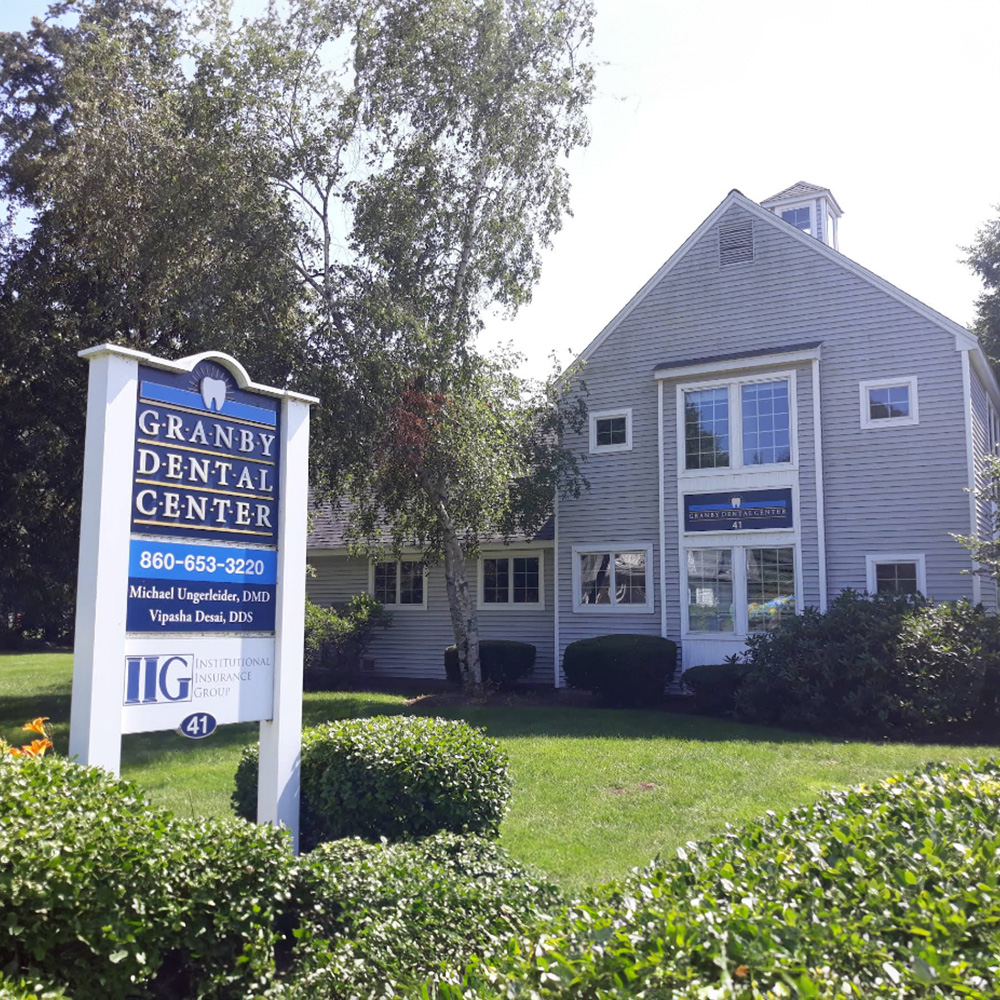
Scheduling your next visit to Granby Dental Center is quick and hassle-free. Whether you have a specific question about our services or just need to easily book a routine cleaning, our professional staff is here to provide clear answers and simple solutions.
We’ve made it easier than ever to get in touch: give us a call or use our quick online form. Don't put your oral health on the back burner, connect with us today and let us handle the details while you focus on your smile.