A confident smile is more than a cosmetic detail — it shapes how you feel, how others perceive you, and how you present yourself to the world. Modern cosmetic dentistry offers refined, conservative options to address common imperfections like discoloration, chips, or minor gaps, and veneers are among the most reliable solutions. This page explains how veneers work, what the process looks like, and how to preserve results so you can make an informed decision about your smile.
Veneers are designed to do two things at once: enhance how teeth look and restore a more balanced bite and tooth shape where minor wear or damage has occurred. Because veneers are bonded to the front surfaces of teeth, they can correct color, contour, and spacing without the extensive reshaping that older cosmetic procedures sometimes required. The result is a natural-looking surface that works with your existing teeth, not against them.
Unlike removable cosmetic options, well-placed veneers become part of the tooth’s working surface. This integration helps protect vulnerable enamel and can even compensate for subtle functional irregularities that contribute to uneven wear. For many adults, the aesthetic improvement is immediately noticeable, and the functional benefit appears over time as the restored tooth surfaces distribute biting forces more evenly.
Choosing veneers is often about balance: achieving a visually pleasing smile while preserving as much natural tooth structure as possible. When performed with careful planning and modern adhesive techniques, veneers offer an elegant, conservative path to a renewed smile without unnecessary alteration of healthy teeth.
Today's veneers are precision-crafted to mimic the translucency, texture, and color of natural enamel. Ceramic materials—commonly high-quality dental porcelain—are shaped into ultra-thin facings that reflect light much like real tooth enamel, creating a lifelike appearance. Each veneer is customized for your teeth, taking into account shade, translucency, and the subtle characteristics that make a smile look genuine rather than manufactured.
The design process typically combines digital planning and skilled laboratory artistry. Digital scans or impressions capture the contours of your mouth, while shade-matching systems help select hues that blend with adjacent teeth. Skilled ceramists then layer and contour the porcelain to recreate tiny surface details, producing restorations that are visually cohesive and comfortable in the mouth.
Because veneers are tailor-made, they can be adapted to accommodate specific aesthetic goals—whether you want a modest enhancement or a more dramatic transformation. The goal is always to achieve harmony with your face and proportions, creating a smile that feels authentic to who you are.
The veneer journey begins with a thoughtful consultation that explores your goals, oral health, and any underlying dental issues that must be addressed first. A thorough evaluation includes examining tooth structure, gum health, and bite alignment to ensure veneers are an appropriate choice. Diagnostic photos and models may be used to visualize potential outcomes and set realistic expectations.
During the preparation visit, a conservative amount of enamel is refined to create space for the veneer so the final result sits comfortably within your natural bite. Impressions or digital scans are then taken to guide fabrication. In many cases, temporary veneers protect the prepared teeth while the permanent restorations are crafted in the lab or using in-office milling technology.
At the final appointment, the veneer fit, shape, and shade are reviewed carefully. After any minor adjustments, the tooth is cleaned and conditioned, and the veneer is bonded using modern resin adhesives. This adhesive bond is critical to long-term success; proper technique ensures a durable union between tooth and veneer while preserving the surrounding tissues.
Veneers are well suited for adults with cosmetic concerns such as stubborn discoloration, minor chips, slight crowding, or small gaps that are not ideal for orthodontic correction. They are particularly effective when one or more front teeth need to be matched in color and shape for a cohesive smile. Good candidates will also have healthy gums and no untreated decay in the teeth being considered.
However, veneers are not the best solution in every situation. Patients with significant misalignment, extensive tooth loss, or widespread structural damage may be better served by orthodontics, crowns, or other restorative options. During your evaluation, your dental team will compare veneers with alternative treatments and recommend the approach that balances aesthetics, function, and long-term oral health.
Because veneers require careful case selection, a candid discussion about goals and realistic outcomes helps ensure satisfaction. When the clinical picture and your expectations align, veneers can deliver a predictable, refined outcome that improves both appearance and confidence.
Veneers are durable, but like natural teeth they benefit from consistent care. Daily brushing with a non-abrasive toothpaste, flossing, and routine dental checkups are the foundation of long-term success. These simple habits help maintain the bond between veneer and tooth and prevent problems such as gum inflammation or decay at the margins where the restoration meets the natural tooth.
It’s wise to avoid using teeth as tools and to be mindful of habits that place excessive stress on restorations, such as biting hard objects or chronic nail-biting. If you participate in contact sports or grind your teeth at night, protective measures—such as a mouthguard or a nightguard—can reduce the risk of chipping or wear and extend the life of your veneers.
Regular professional evaluations allow your dental team to monitor the condition of veneers and the supporting tissues, performing polished refinements or small repairs when needed. With attentive home care and periodic professional oversight, many patients enjoy years of reliable function and a consistently attractive smile.
Veneers offer a refined, minimally invasive path to correcting a range of cosmetic concerns while preserving natural tooth structure. If you’re exploring options for improving the appearance and function of your smile, the office of Granby Dental Center can help you understand whether veneers are the right fit for your needs. Contact us to learn more and to arrange a consultation about your smile goals.


Dental veneers are ultra-thin shell-like restorations bonded to the front surfaces of teeth to improve appearance and restore minor defects. They are typically made from high-quality ceramic materials that mimic the translucency and texture of natural enamel. Once bonded, veneers become part of the tooth's visible surface and interact with biting forces much like the original enamel.
The bonding process uses modern adhesive systems to create a durable union between the veneer and the tooth, which helps protect vulnerable enamel and corrects color, contour, and small spacing issues. Because veneers cover only the front portion of the tooth, they can achieve cosmetic transformation with minimal alteration of healthy tooth structure. Proper case selection and adhesion technique are critical to long-term success and natural-looking results.
Good candidates for veneers are adults with healthy gums and teeth who want to address cosmetic concerns such as stubborn discoloration, minor chips, small gaps, or mild crowding. Candidates should have no active decay or untreated periodontal disease on the teeth being considered, as those issues need management before restorative work. A stable bite and realistic expectations about what veneers can achieve are also important for predictable outcomes.
Veneers are not the ideal solution for people with severe misalignment, significant tooth loss, or extensive structural damage; those cases may be better managed with orthodontics, crowns, or other restorative options. During an evaluation, your dental team will review oral health, bite relationships, and aesthetic goals to determine whether veneers are the appropriate choice. The discussion helps ensure the final result aligns with both function and appearance.
Veneers are custom-designed using a combination of digital planning, shade-matching systems, and skilled laboratory techniques to replicate natural enamel characteristics. Digital scans or impressions capture precise tooth contours, while shade selection accounts for hue, opacity, and translucency so the restoration blends with adjacent teeth. Master ceramists layer and contour porcelain to reproduce surface texture and subtle light reflection.
Modern workflows can include a digital wax-up or mockup to preview the proposed changes and adjust proportions for facial harmony. Temporary veneers are sometimes used while the final restorations are fabricated to confirm aesthetics and function. Final adjustments at the insertion appointment refine fit and shade for a seamless appearance.
The veneer process begins with a consultation and comprehensive exam to review goals, oral health, and bite alignment, followed by diagnostic records such as photos and scans. At the preparation visit, a conservative amount of enamel is refined to create space for the veneer so the finished surface aligns with your bite and adjacent teeth. Impressions or digital scans are then sent to the lab, and temporary coverings may be placed while the final pieces are crafted.
At the final appointment, each veneer is tried in to assess fit, shape, and shade before being permanently bonded using modern resin adhesives. The bonding procedure includes tooth cleaning, surface conditioning, and precise placement to achieve a strong, esthetic result. Follow-up visits allow adjustments and professional polishing to ensure comfort and occlusal harmony.
When properly made and cared for, veneers can last many years, often a decade or longer, but longevity depends on material quality, bonding technique, and individual habits. Ceramic veneers resist staining and wear well under normal use, but they can chip or fracture if exposed to excessive forces or trauma. The strength of the adhesive bond and the condition of the underlying tooth are also key factors in long-term performance.
Patient habits such as grinding, chewing on hard objects, or poor oral hygiene can shorten veneer lifespan, while protective measures like nightguards and routine dental care help preserve them. Regular professional evaluations allow early detection and repair of small issues before they become larger problems. With attentive maintenance, veneers provide reliable function along with an enhanced smile.
Caring for veneers follows the same basic principles as caring for natural teeth: brush twice daily with a non-abrasive toothpaste and floss daily to maintain healthy gum tissue and prevent decay at restoration margins. Avoid using your teeth as tools and be mindful of habits that place concentrated stress on restorations, such as opening packages or biting hard objects. If you grind your teeth, a custom nightguard can reduce the risk of chipping or accelerated wear.
Maintain regular dental checkups and professional cleanings so your dental team can monitor the condition of veneers and the supporting tissues. If you notice sensitivity, loosening, or visible damage, contact your dental provider promptly for evaluation. Early attention to minor concerns often allows conservative repairs rather than full replacement.
Veneers require removal of a thin layer of enamel, which is an irreversible step and may result in increased sensitivity for some patients. While ceramic materials are durable, veneers can chip or fracture if subjected to excessive force, and repair may require replacement in some cases. Color stability is generally excellent for porcelain, but underlying tooth discoloration can affect final shade if not properly addressed during planning.
Not all cosmetic goals are achievable with veneers alone; significant bite problems or severe misalignment often require orthodontic or restorative alternatives. A thorough examination and candid discussion with your dental team help clarify potential limitations and reduce the risk of unsatisfactory results. Careful planning and appropriate maintenance minimize complications and support predictable outcomes.
Veneers cover only the front surface of a tooth and are chosen primarily for cosmetic improvements that preserve most natural tooth structure, whereas crowns encase the entire tooth and are used when greater structural support is needed. Composite bonding involves applying tooth-colored resin directly to the tooth and can be completed in a single visit, but it is generally less color-stable and durable than ceramic veneers. Each option has trade-offs in terms of invasiveness, longevity, and esthetic potential.
Selection among these treatments depends on the extent of damage, functional demands, and aesthetic goals identified during the diagnostic process. Your dental team will compare the options and recommend the approach that best balances preservation of tooth structure with the desired appearance and function. In many cases, veneers offer an elegant middle ground between minimal bonding and full-coverage crowns.
Veneers can address minor alignment issues and alter tooth proportions to create the appearance of straighter teeth, but they do not move teeth or correct significant malocclusion. When bite problems are moderate to severe, orthodontic treatment is typically required to reposition teeth and achieve a stable functional outcome. Using veneers to mask major alignment or occlusal issues can lead to uneven wear or premature failure of the restorations.
During the evaluation, your dental team will assess bite relationships and advise whether veneers alone are appropriate or if a combined approach with orthodontics or other restorative work is necessary. In carefully selected cases, veneers paired with limited tooth modification can harmonize appearance while preserving function. Prioritizing long-term function helps ensure the cosmetic result endures.
The consultation typically includes a thorough oral exam, review of dental history, photographs, and digital scans or impressions to evaluate tooth structure, gum health, and bite relationships. Your dentist will discuss aesthetic goals, review possible treatment options, and may present a digital mockup or wax-up to illustrate anticipated outcomes. This planning stage is an opportunity to set realistic expectations and to determine whether preparatory work such as gum treatment, restorations, or orthodontics is needed.
A clear treatment plan outlines the proposed number of veneers, material choices, and the sequence of appointments so you understand the process from preparation to final bonding. The team will explain care requirements and any protective measures recommended to support longevity. Thoughtful planning and open communication help ensure the final result aligns with your appearance and functional needs.
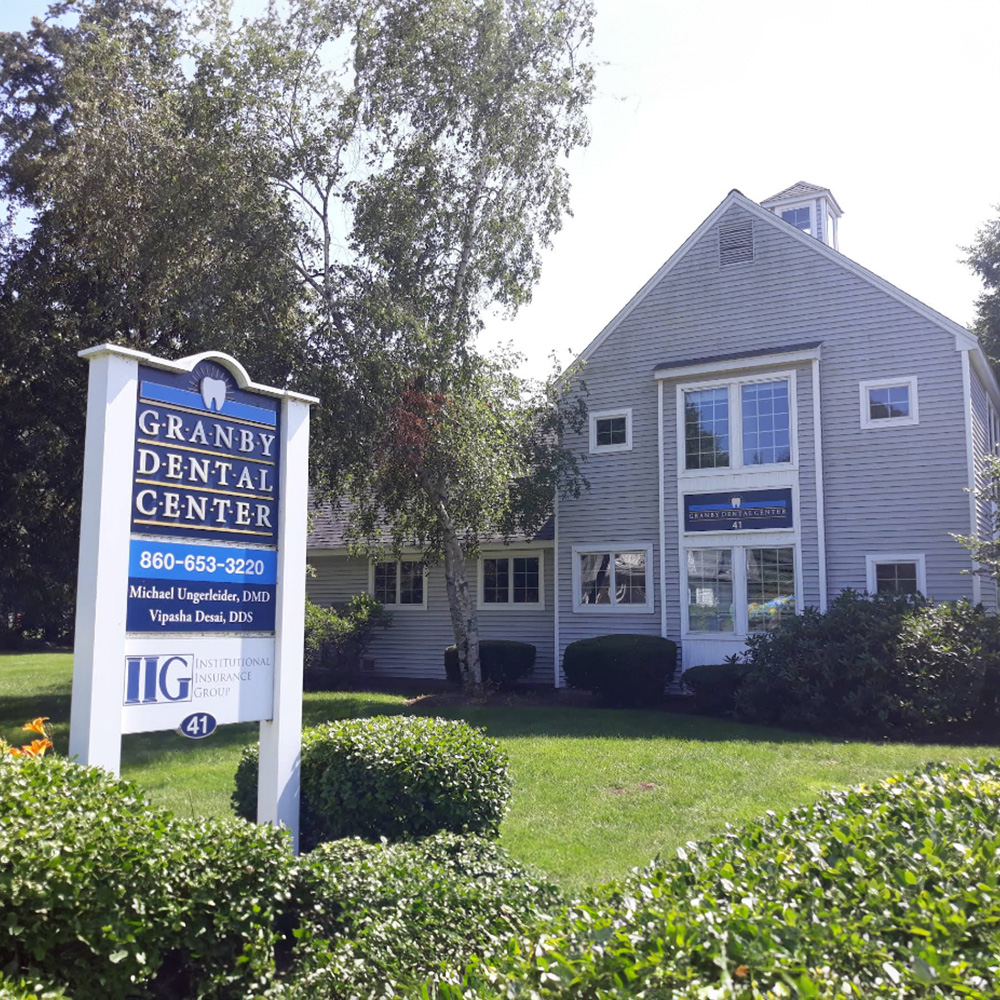
Scheduling your next visit to Granby Dental Center is quick and hassle-free. Whether you have a specific question about our services or just need to easily book a routine cleaning, our professional staff is here to provide clear answers and simple solutions.
We’ve made it easier than ever to get in touch: give us a call or use our quick online form. Don't put your oral health on the back burner, connect with us today and let us handle the details while you focus on your smile.