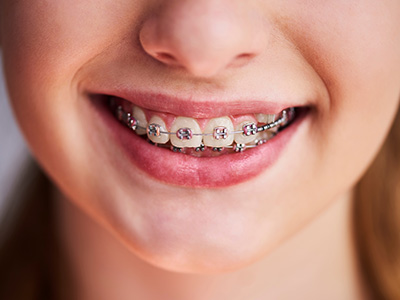
Traditional metal braces are a time-tested orthodontic solution that gently guides teeth into proper alignment. Each tooth receives a small metal bracket bonded to its front surface. These brackets serve as attachment points for an archwire, which applies controlled force to move teeth in predictable directions over time.
The movement happens through carefully planned adjustments. As the archwire exerts pressure, bone tissue around the tooth remodels, allowing the tooth to shift into its new position. Your orthodontist makes periodic adjustments to the wire and brackets to maintain optimal force and progress throughout the treatment.
Because the system uses brackets and wires on every treated tooth, orthodontists have excellent control over tooth rotation, angulation, and spacing. That precision makes metal braces especially effective for complex alignment issues that require coordinated movement across multiple teeth rather than isolated corrections.
Although metal braces are often associated with older styles, today’s systems are slimmer, lighter, and more comfortable than ever. Manufacturers use high-grade stainless steel and refined manufacturing techniques to create low-profile brackets that fit more naturally against the tooth surface. This reduces irritation and improves the overall patient experience.
Modern archwires are another significant advancement. Heat-activated and shape-memory alloys respond to body temperature and exert consistent, gentle pressure. Those qualities decrease the need for aggressive adjustments and can shorten the time needed to reach treatment goals while maintaining comfort.
Additionally, bonding materials and bracket designs have improved. Contemporary adhesives provide a secure hold without excessive enamel strain, and rounded bracket edges minimize soft-tissue irritation. For patients who prefer a subtler look, smaller bracket sizes and careful placement help metal braces appear less noticeable.
Metal braces are a versatile option suitable for a wide range of orthodontic needs. They are commonly recommended for patients with significant crowding, large bite discrepancies, rotated teeth, or complicated tooth movements that require reliable anchorage and control. Because the system affects every tooth, it excels at comprehensive corrections.
Children and teenagers often begin treatment with metal braces due to their durability and predictability. Adults also choose metal braces when precision is the priority and when other removable or aesthetic options aren’t ideal for the specific alignment goals. Your orthodontist will evaluate your dental and skeletal relationship to determine the best approach.
Even when patients consider alternatives like clear aligners, metal braces remain a strong choice for cases that demand fine-tuned control. The treatment plan is individualized based on diagnostic records, including dental x-rays, photographs, and impressions or digital scans, ensuring the chosen method aligns with your functional and esthetic objectives.
Beginning treatment with metal braces typically starts with a consultation and records appointment. Once the plan is established, brackets are bonded to the teeth and the archwire is placed. Early days may involve mild discomfort as teeth begin to move, but that sensation usually subsides after a few days and can be managed with over-the-counter pain relief when necessary.
Follow-up visits usually occur every 4–8 weeks. At these appointments, your orthodontist will adjust the wires, replace elastics if used, and monitor how teeth are responding. These regular check-ins allow for small, strategic changes that keep treatment on track and help address any emerging concerns quickly.
Overall treatment length varies with the complexity of each case. Simple adjustments might finish within a short timeframe, while comprehensive corrections can require more time. Regardless of duration, the focus is on safe, controlled movement to establish a stable, functional bite and a durable esthetic outcome.
Good oral hygiene is essential while wearing metal braces. Brackets and wires create additional surfaces where plaque can accumulate, so brushing after meals and flossing daily are crucial. Special brushes, interdental aids, and floss threaders make it easier to clean around hardware and reduce the risk of staining or decalcification.
Patients should also be mindful of foods that can damage brackets or bend wires, such as hard candies, ice, and sticky items. Using caution with crunchy or chewy foods helps prevent broken components and minimizes unscheduled repair visits. If a wire or bracket becomes loose, contact your orthodontic team for guidance on managing the issue until a repair appointment is available.
Regular professional cleanings and check-ups with your dentist remain important during orthodontic treatment. These visits allow for early identification of cavities, gum inflammation, or other oral health concerns that could affect progress. Maintaining excellent home care and attending scheduled appointments contributes substantially to a successful result.
As active treatment draws to a close, the orthodontist shifts focus to fine-tuning bite relationships and ensuring symmetrical alignment. This phase may include detailed wire adjustments and minor refinements that optimize both function and appearance. Once the desired alignment is achieved, brackets and wires are removed in a straightforward chairman-side procedure.
Following removal, patients typically receive retainers to maintain the new tooth positions. Retention is a crucial phase because teeth can drift back toward their original positions without proper support. Your orthodontist will recommend a retention schedule tailored to your needs to preserve the investment made during active treatment.
With careful planning, attentive oral care, and adherence to follow-up and retention instructions, metal braces can produce reliable, long-lasting results. The combination of modern materials and skilled clinical technique allows patients to achieve a balanced smile that supports both oral health and self-confidence.
Summary
Traditional metal braces remain a highly effective choice for correcting a wide variety of orthodontic issues. With modern improvements in materials and design, they offer a comfortable, precise way to realign teeth and establish a healthy bite. The practice at Granby Dental Center brings clinical expertise and individualized planning to each treatment, helping patients move confidently toward their best smiles.
If you have questions about whether metal braces are the right option for you or a family member, please contact us for more information.


Traditional metal braces use small brackets bonded to the front of each tooth and an archwire that connects those brackets to apply controlled force. As the wire exerts pressure, the bone around the tooth remodels and the tooth gradually shifts into a new position. Periodic adjustments maintain appropriate force and guide predictable movement throughout treatment.
Because brackets are attached to most or all teeth, orthodontists can control rotation, angulation, and spacing with a high degree of precision. This coordinated control makes metal braces especially effective for complex movements that require anchorage and staged mechanics. The result is a stable, functional alignment when the treatment plan is followed carefully.
Modern metal braces are slimmer and lower profile than earlier designs, which reduces soft-tissue irritation and improves patient comfort. Manufacturers use high-grade stainless steel and refined manufacturing to create brackets with smoother edges and more consistent fits. Improved bonding agents provide secure adhesion while minimizing enamel strain during removal.
Advances in archwire materials, such as heat-activated and shape-memory alloys, deliver gentler, more continuous forces that often reduce the frequency of aggressive adjustments. Smaller bracket sizes and refined placement techniques also help make metal braces less conspicuous for patients concerned about appearance. Together, these developments preserve the strength and control of metal systems while enhancing the wearing experience.
Metal braces are versatile and appropriate for children, teenagers, and adults who need comprehensive control over tooth movements. They are frequently recommended for significant crowding, large bite discrepancies, rotated teeth, or other complex alignment issues that require reliable anchorage. When precision is the priority, metal braces remain a go-to solution because they allow the clinician to move individual teeth in coordinated ways.
Selection of treatment begins with a thorough evaluation that may include x-rays, photographs, and digital scans or impressions to assess tooth positions and jaw relationships. The orthodontist will compare metal braces with alternative options and recommend the method that best meets functional and esthetic goals for each patient. Compliance with appointments and home care also factors into whether braces are the right choice.
Treatment begins with a consultation and records appointment to document tooth positions and jaw relationships, followed by a personalized treatment plan. When active treatment starts, brackets are bonded and an archwire is engaged; early days can bring mild soreness as teeth begin to move. Adjustments are scheduled regularly to change wires, add auxiliaries like elastics, and monitor progress.
Follow-up visits commonly occur every four to eight weeks so the orthodontist can make strategic changes that keep treatment on track and address any issues promptly. The active phase continues until the planned alignment and bite relationships are achieved, at which point brackets and wires are removed in a quick, chairside procedure. After removal, retention protocols are implemented to preserve the result and protect the investment made during treatment by the office of Granby Dental Center.
Treatment length varies widely depending on the complexity of the case; simple alignment corrections can take less time while comprehensive bite rehabilitation often requires a longer course. Factors that influence duration include the severity of malocclusion, the number and type of tooth movements required, the patient’s age, and biologic response to force. Patient cooperation with appointments, elastic wear, and oral hygiene can also affect how quickly goals are met.
Orthodontists estimate timelines during the planning phase and adjust expectations as treatment progresses based on measurable changes. Regular monitoring allows clinicians to refine mechanics and maintain efficient movement while protecting tooth and gum health. Ultimately, the priority is safe, controlled progress rather than rushing to a specific endpoint.
Most patients experience mild to moderate discomfort during the first few days after brackets and wires are placed and after subsequent adjustments, which is a normal response to tooth movement. The sensation is usually soreness or pressure rather than sharp pain, and it tends to subside within a few days as tissues adapt. Over-the-counter pain relievers, soft foods, and cold compresses can help manage temporary discomfort.
Minor irritation of the lips or cheeks can occur as you get used to the hardware, but orthodontic wax and careful oral hygiene reduce rubbing and soreness. If persistent or severe pain occurs, contact your orthodontic team so they can check hardware and make any necessary adjustments. With routine care most patients tolerate braces well and report that discomfort is manageable.
Good oral hygiene is essential while wearing braces because brackets and wires create additional places for plaque to collect. Brush thoroughly after meals using a fluoride toothpaste and a brush that reaches around brackets, and use interdental brushes or floss threaders to clean under wires and between teeth. Consistent daily cleaning reduces the risk of staining, decalcification, and gum inflammation during treatment.
Regular professional cleanings and dental checkups remain important to monitor overall oral health and to address cavities or gum issues early. Your orthodontist may recommend adjuncts like antimicrobial rinses or fluoride treatments for added protection. Maintaining excellent home care and keeping scheduled visits contributes directly to treatment efficiency and a healthy outcome.
Avoiding hard, sticky, and excessively chewy foods helps prevent broken brackets and bent wires; examples to be cautious with include hard candies, ice, caramel, and whole crunchy fruits that require biting directly into them. Cut firmer items into smaller pieces and choose softer alternatives when possible to reduce the risk of damage. Also be careful with nuts, popcorn, and excessively crunchy snacks that can dislodge components.
Nonfood habits such as nail-biting, chewing on pens, and opening packages with your teeth can also compromise hardware and should be stopped while you have braces. If you participate in contact sports, ask your orthodontist about a protective mouthguard designed to fit over braces. Avoiding damaging behaviors reduces unscheduled visits and keeps treatment moving smoothly.
If a bracket or wire loosens, contact your orthodontic team for guidance and to schedule a repair appointment; prompt attention prevents delays in treatment progress. In the meantime, use orthodontic wax to cover any sharp edges and protect your lips and cheeks from irritation. Avoid trying to remove bonded brackets yourself, and refrain from foods that might further stress the appliance.
For a poking wire, gently reposition the end with a clean cotton swab or apply wax until you can be seen, and if an appliance causes significant pain or bleeding, seek professional care promptly. Your orthodontic office can provide instructions for safe temporary management and prioritize repairs that affect function or comfort. Timely communication and small interim measures usually keep the case on track without complications.
Removal of brackets and wires is typically quick and followed by polishing and final adjustments to ensure a smooth, comfortable finish. After active treatment, most patients receive a retainer that maintains tooth positions while the surrounding bone and soft tissues stabilize. The retention phase is a planned part of care designed to protect the long-term outcome achieved during orthodontic treatment.
Wearing retainers as prescribed and attending retention checkups are critical to prevent relapse, and your orthodontist will recommend a schedule tailored to your needs. Some patients transition from full-time wear to night-only wear over time, while others may have a long-term nighttime protocol. Your orthodontic team at Granby Dental Center will outline the retention plan and follow-up schedule that best preserves your new alignment.
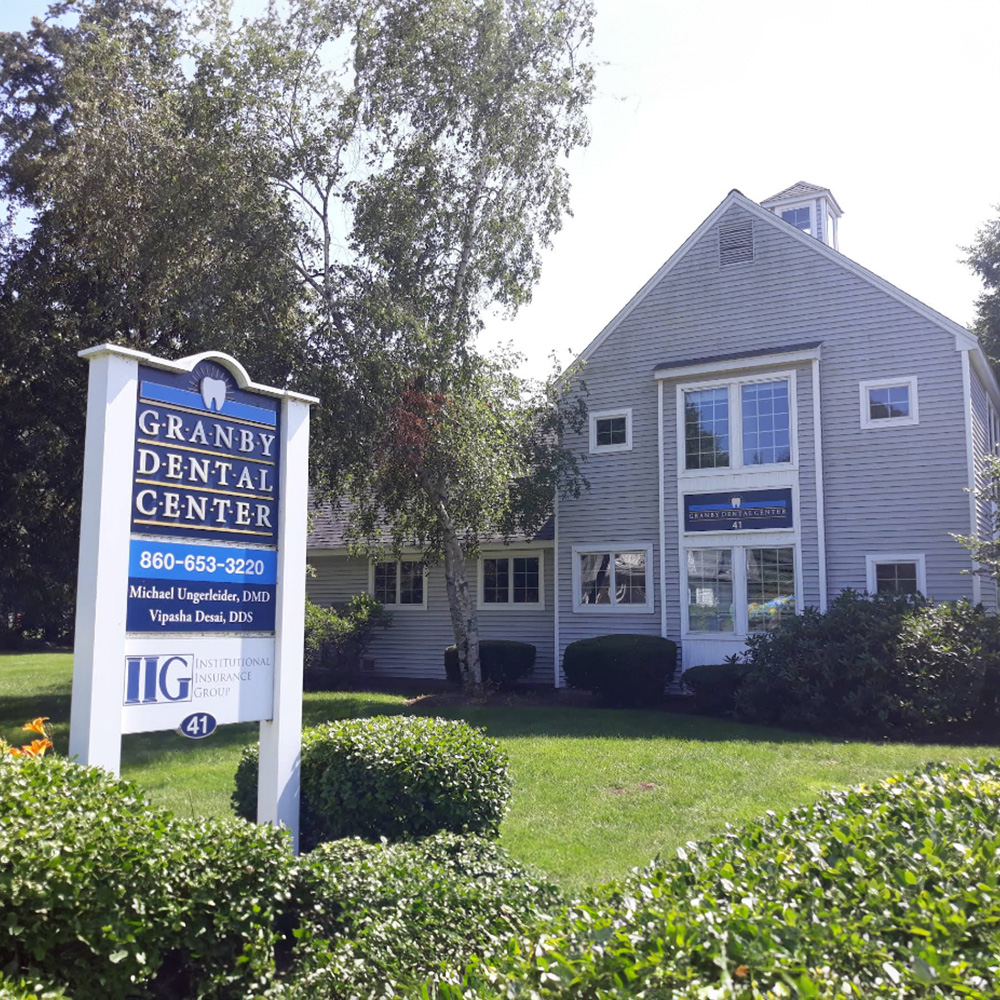
Scheduling your next visit to Granby Dental Center is quick and hassle-free. Whether you have a specific question about our services or just need to easily book a routine cleaning, our professional staff is here to provide clear answers and simple solutions.
We’ve made it easier than ever to get in touch: give us a call or use our quick online form. Don't put your oral health on the back burner, connect with us today and let us handle the details while you focus on your smile.