Temporomandibular joint (TMJ) disorders affect the complex hinge that connects your lower jaw to the skull and can cause persistent discomfort that interferes with daily life. While many people experience occasional jaw stiffness or clicking, a true TMJ disorder involves dysfunction of the joint, its supporting muscles, or the soft disc that cushions movement. Understanding what the TMJ does and why it can go awry is the first step toward effective care and lasting relief.
The temporomandibular joint is actually two paired joints—one on each side of the face—working together to allow biting, chewing, speaking and facial expression. Each joint combines hinge-like movements (opening and closing) with sliding motions (forward, backward and side-to-side), and a small, fibrocartilaginous disc sits between bone surfaces to reduce friction and absorb shock. That combination of actions makes the TMJ functionally versatile but also more susceptible to mechanical stress and wear.
Muscles, ligaments and the nerves that innervate them play an essential role in coordinating jaw motion, so an imbalance in any of these components can affect the whole system. For example, tight or overactive chewing muscles can pull the jaw out of its ideal alignment, while disc displacement changes the way the joint surfaces interact. Because multiple structures are involved, symptoms may come from the joint itself, the surrounding musculature, or a mixture of both.
The TMJ’s complexity is why diagnosis and treatment often require a careful, stepwise approach. Simple mechanical problems can sometimes be managed conservatively, while structural issues may need more targeted interventions. A clear assessment helps determine whether conservative therapies, dental appliances or specialty referrals are most appropriate.
Several circumstances increase the likelihood of developing a TMJ disorder. Chronic teeth grinding or clenching (bruxism) is one of the most frequent contributors because it places sustained pressure on the joint and muscles. Trauma to the jaw—such as a blow, a fall or a dental procedure—can also displace the disc or injure the condylar surfaces, triggering persistent symptoms.
Systemic joint conditions, including osteoarthritis and rheumatoid arthritis, may involve the TMJ and produce degenerative changes or inflammation that lead to pain and limited motion. In addition, habits like chewing gum for long periods and repetitive extreme jaw movements (such as wide yawning or biting into very hard foods) can provoke symptoms in susceptible people.
Psychological and lifestyle factors can influence symptom severity as well. Stress may increase muscle tension and nighttime grinding, while poor posture and neck strain can alter the way forces are transmitted through the jaw. Identifying and addressing these contributing elements is a key part of building an effective treatment plan.
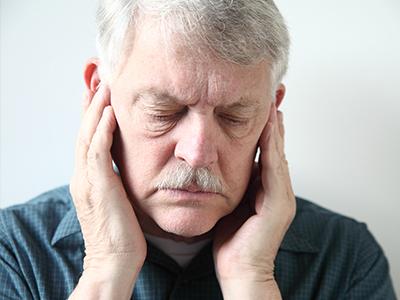
TMJ disorders can present in many different ways. Common complaints include jaw pain or tenderness, difficulty opening the mouth fully, clicking or popping sounds during movement, and intermittent locking of the jaw. Some patients also experience headaches, ear discomfort or a sensation of fullness in the ear, even though there is no ear infection.
Symptoms sometimes develop gradually and fluctuate over time, which can make them difficult to pin down. For some people, a short period of conservative care leads to complete resolution. Others may notice persistent or worsening symptoms that interfere with eating, speaking or sleep. When pain lasts more than a few weeks, limits daily activities, or progressively reduces range of motion, a professional evaluation is recommended.
In addition to pain and mechanical symptoms, TMJ issues can be accompanied by tension in the neck and upper back, ringing in the ears (tinnitus), or dizziness in a minority of cases. Because these signs overlap with other conditions, a thorough clinical assessment helps determine whether the source is primarily dental, musculoskeletal or neurologic.
A proper diagnosis begins with a detailed history and an in-person examination. The clinician will ask about symptom onset, daily habits, history of trauma, and patterns of pain. During the exam, they will evaluate jaw opening and closing, listen for joint sounds, palpate the muscles for tender or hyperactive spots, and check the alignment of the teeth and bite. This hands-on evaluation often reveals whether the problem is muscle-based, joint-based, or a combination.
When the clinical picture is unclear or when more information is needed, imaging studies may be used. Panoramic X-rays, cone-beam CT scans, or MRI can provide views of the joint’s bony anatomy and the position of the disc, helping to identify displacement, degenerative changes, or structural abnormalities. These images guide treatment decisions and determine whether referral to an oral and maxillofacial surgeon or another specialist is warranted.
A comprehensive diagnosis also considers other potential contributors—such as sleep disorders, cervical spine issues, and systemic inflammatory conditions—to ensure treatment targets the true source of symptoms. Coordination between dental and medical providers is common and helps ensure the most appropriate, evidence-based care plan.
The majority of TMJ problems respond to conservative, reversible measures. Initial steps often focus on symptom control and reducing joint strain: eating softer foods, avoiding wide yawning and gum chewing, applying cold packs or moist heat as needed, and practicing relaxation techniques to lower muscle tension. These self-care strategies can produce meaningful short-term relief and are an important foundation for longer-term improvement.
For ongoing symptoms, oral appliances such as stabilization splints or night guards can reduce harmful forces from grinding and help reposition the jaw to a more comfortable alignment. Physical therapy and guided stretching exercises may improve muscle balance and increase range of motion. In selected cases, targeted injections—such as corticosteroid or therapeutic agents—can reduce inflammation and pain when conservative measures are insufficient.
When non-surgical options fail to restore function or when structural damage is identified, more advanced dental treatments may be considered. These can include occlusal adjustments, orthodontic interventions or restorative work to correct bite problems that perpetuate joint strain. Surgery is reserved for persistent, severe cases and is approached cautiously after thorough evaluation and trial of conservative therapies.
The practice at Granby Dental Center approaches TMJ care with a stepwise philosophy: begin with the least invasive, evidence-based options, measure response, and advance therapy only when necessary. This method helps safeguard patient comfort while aiming for durable results.
In summary, TMJ disorders arise from a mix of mechanical, muscular and sometimes systemic factors. Symptoms range from mild clicking and occasional soreness to significant pain and limited jaw movement. A careful assessment—combining clinical examination and selective imaging—guides an individualized treatment plan that prioritizes conservative care and escalates only as needed. If you have concerns about jaw pain, persistent clicking, or limitations in opening your mouth, please contact us for more information and an evaluation. We can help you understand your options and create a plan to restore comfort and function.


The term TMJ disorder refers to dysfunction of the temporomandibular joint or its surrounding muscles and tissues rather than occasional, benign jaw sounds. Normal clicking or popping can occur without pain or functional limitation and often does not indicate a disorder. A true TMJ disorder typically involves persistent pain, reduced range of motion, or episodes of locking that affect daily activities.
Because the TMJ combines hinge and sliding motions and is supported by muscles, ligaments and a fibrocartilaginous disc, disruptions can produce mechanical symptoms and pain that are more than a simple noise. Differentiating harmless sounds from a disorder requires attention to symptom patterns, frequency and any associated limitations in chewing, speaking or sleep. A careful clinical assessment helps determine whether conservative self-care or a more directed evaluation is needed.
Common contributors include clenching or grinding the teeth (bruxism), jaw trauma, and structural changes such as disc displacement or degenerative joint disease. Repetitive strain from habits like prolonged gum chewing, biting into hard foods, or extreme jaw movements can also provoke symptoms in susceptible individuals. Additionally, uneven bite relationships or sudden dental changes may alter how forces are transmitted through the joint and muscles.
Systemic conditions such as osteoarthritis or rheumatoid arthritis can involve the TMJ and produce inflammatory or degenerative changes that lead to pain and limited motion. Psychological and lifestyle factors—stress, poor posture, and sleep disturbances—often increase muscle tension and nighttime grinding, which in turn exacerbate joint problems. Because multiple factors frequently interact, a thorough evaluation considers mechanical, muscular and systemic contributors.
Symptoms that warrant professional evaluation include persistent or worsening jaw pain, difficulty opening the mouth fully, repeated locking, and joint noises accompanied by pain or functional limitation. Many patients also report headaches, ear discomfort or a sensation of fullness in the ear without an ear infection, as well as neck or upper-back tension that accompanies jaw symptoms. If symptoms interfere with eating, speaking or sleep, or last more than a few weeks despite self-care, an assessment is appropriate.
Because TMJ-related signs can overlap with dental, neurologic or otologic conditions, an evaluation helps determine the true source of symptoms and the most appropriate next steps. Early assessment can direct conservative measures that often reduce pain and prevent progression to more persistent problems. If red-flag signs appear—such as sudden severe swelling, significant trauma, or progressive neurologic changes—seek timely care from the appropriate provider.
Diagnosis begins with a detailed history and a hands-on clinical examination that assesses jaw opening and closing, listens for joint sounds, palpates the muscles for tender or hyperactive areas, and evaluates occlusion and bite relationships. When the clinical picture is unclear or structural concerns are suspected, clinicians may use imaging such as panoramic X-rays, cone-beam CT or MRI to visualize bony anatomy and the soft-tissue disc. These steps clarify whether symptoms arise primarily from the joint, the musculature, or a combination of sources.
At Granby Dental Center the focus is on a methodical, evidence-based assessment that integrates findings from the history, exam and selective imaging to guide treatment planning. Coordination with medical colleagues is common when systemic inflammatory conditions, sleep disorders or cervical spine issues could be contributing factors. A clear diagnosis helps avoid unnecessary interventions and supports a stepwise approach to care.
Initial treatment generally emphasizes reversible, conservative measures aimed at reducing pain and minimizing joint strain. Typical recommendations include a soft-food diet, avoiding wide yawning and gum chewing, applying cold packs or moist heat as needed, and practicing relaxation techniques to lower muscle tension. These self-care strategies often provide meaningful short-term relief and form the foundation for longer-term improvement.
If symptoms persist, clinicians commonly add therapeutic options such as physical therapy, guided stretching exercises, and short-term use of oral appliances to reduce nocturnal grinding. In selected cases, targeted injections may be used to address inflammation or muscular pain when conservative care alone is insufficient. The goal is to relieve symptoms while using the least invasive, evidence-based options first.
Oral appliances such as stabilization splints or night guards are designed to reduce harmful forces from grinding and to provide a more favorable jaw position during sleep. By redistributing occlusal contact and cushioning the teeth, these devices can decrease muscle hyperactivity and lower joint loading that contribute to pain. Appliances are reversible and can be adjusted as symptoms change, which makes them a common intermediate step between self-care and more invasive treatments.
Your dentist at Granby Dental Center will evaluate whether an appliance is appropriate based on the pattern of symptoms and examination findings, and will monitor response over time. While many patients experience symptom reduction with a well-fitted device, appliances are most effective when combined with behavioral strategies, physical therapy and habit modification. Long-term success depends on addressing the underlying contributors, not just protecting the teeth.
Yes. TMJ problems may be linked to systemic joint disorders such as osteoarthritis or rheumatoid arthritis, which can produce inflammatory changes in the joint. Sleep-disordered breathing and bruxism often coexist, and cervical spine dysfunction or poor posture can alter how forces travel through the jaw and neck musculature. Conditions characterized by widespread pain, such as fibromyalgia, can also amplify TMJ-related symptoms.
Because these associations affect diagnosis and management, clinicians frequently consider medical comorbidities when formulating a treatment plan. Coordinated care between dental and medical providers helps ensure that systemic contributors receive appropriate attention. Addressing related conditions—posture, sleep quality and systemic inflammation—can improve outcomes for patients with TMJ symptoms.
Physical therapy targets muscle balance, joint mobility and neuromuscular control to reduce pain and restore normal function. A therapist may use manual techniques to release tight muscles, teach guided stretching and strengthening exercises, and recommend postural correction and ergonomic adjustments to reduce harmful loading on the jaw. Modalities such as therapeutic ultrasound or TENS may be used selectively to manage pain and facilitate active rehabilitation.
Exercise programs focus on restoring coordinated movement patterns and increasing the jaw's range of motion while minimizing compensatory muscle tension. Most patients require several weeks of consistent therapy to see meaningful improvements, and combining physical therapy with behavioral strategies and any needed dental interventions tends to yield the best results. Progress is periodically reassessed so the plan can be adjusted as symptoms change.
Surgery is reserved for persistent, severe cases in which conservative and minimally invasive measures have failed or when clear structural damage is identified that will not respond to nonoperative care. Indications can include advanced joint degeneration, significant disc displacement with loss of function, or certain traumatic injuries. When surgery is contemplated, referral to an oral and maxillofacial surgeon or another specialist allows for a detailed discussion of risks, benefits and expected outcomes.
Patients should expect a careful, stepwise evaluation before proceeding to operative management, including repeat imaging and multidisciplinary consultation when appropriate. Recovery times and surgical approaches vary depending on the underlying problem, and surgeons typically recommend a rehabilitation plan to restore function after the procedure. Because surgical options carry greater risks, they are considered only after conservative therapies have been thoroughly explored.
Simple daily habits often make a meaningful difference: eat softer foods during flare-ups, avoid hard or chewy items, limit wide yawning, and skip gum chewing. Apply cold packs for acute pain and moist heat to relax tight muscles, and practice relaxation techniques or gentle jaw stretches to reduce muscle tension. Maintaining good posture and addressing neck strain through ergonomic adjustments can also reduce abnormal forces on the jaw.
Developing awareness of daytime clenching and seeking strategies to manage nighttime grinding—such as stress reduction or a night guard when appropriate—helps prevent recurrent episodes. Keep a symptom diary to identify triggers and share it with your clinician so the treatment plan can target the most relevant contributors. When self-care measures provide incomplete relief, a professional evaluation can identify additional interventions tailored to your needs.

Scheduling your next visit to Granby Dental Center is quick and hassle-free. Whether you have a specific question about our services or just need to easily book a routine cleaning, our professional staff is here to provide clear answers and simple solutions.
We’ve made it easier than ever to get in touch: give us a call or use our quick online form. Don't put your oral health on the back burner, connect with us today and let us handle the details while you focus on your smile.