A brighter smile can change the way you feel about yourself and how you present to the world. At the office of Granby Dental Center, we combine proven clinical techniques with careful attention to individual needs so patients leave with smiles that look natural, healthy, and noticeably brighter. Teeth whitening is one of the simplest cosmetic improvements available, but getting the best outcome depends on choosing the right method and preparing properly.
If your teeth look dull, stained, or unevenly colored, there are safe, effective options that can restore a fresher appearance. Modern dental whitening is faster and gentler than earlier approaches, and when supervised by a dental professional it produces predictable, long-lasting results. This page explains how whitening works, what causes discoloration, how we evaluate candidates, and how to preserve results over time.
Below are practical, dentist-approved insights to help you decide whether professional whitening is the right step. The goal here is to give clear information so you can discuss options confidently with your dental team and understand what to expect before, during, and after treatment.
Not every whitening approach suits every mouth. A careful evaluation is the first step: your dentist looks at tooth shade, type of staining, existing restorations, gum health, and any sensitivity issues. That information guides whether an in-office procedure, a professionally made take-home kit, or a combination is most appropriate for your goals.
In-office whitening typically delivers faster, more dramatic lightening because higher-strength bleaching agents are applied under controlled conditions. Take-home systems use custom trays and lower-concentration gels, allowing gradual whitening over several days or weeks. Both methods are clinician-supervised, which helps protect enamel and soft tissue while optimizing results.
Choosing the right plan also takes lifestyle and expectations into account. If you want the quickest visible change before a special event, in-office treatment may be best. If you prefer incremental improvement or require ongoing touch-ups, a supervised take-home regimen offers flexibility. Your dental team will explain the trade-offs so you can make an informed decision.
Tooth discoloration arises from a mix of external and internal factors. Extrinsic stains affect the enamel surface and are often caused by foods and beverages (coffee, tea, red wine), tobacco, or pigments that adhere to the tooth. These stains can usually be reduced or removed with whitening treatments and good hygiene.
Intrinsic discoloration originates inside the tooth and can be harder to change. Causes include certain medications, trauma to a tooth, developmental conditions, or aging, where the outer enamel thins and the naturally darker dentin shows through. Some intrinsic changes respond to bleaching, while others may require restorative options.
It’s important to note that whitening affects natural tooth structure only. Dental restorations such as crowns, veneers, fillings, and bridgework do not whiten, so their shade relative to natural teeth may need separate consideration if aesthetics are a concern after whitening.
Professional whitening relies on peroxide-based bleaching agents that break down stain molecules through an oxidation reaction. The active ingredients most commonly used are hydrogen peroxide or carbamide peroxide; carbamide peroxide releases hydrogen peroxide as it breaks down, so both are effective when chosen and applied correctly.
The effectiveness of a whitening product depends on concentration, contact time, and how well it reaches stained areas. In a dental setting these variables are controlled — the practitioner selects the right formulation and applies it safely, often protecting gums and soft tissues so the whitening gel can work without causing irritation.
Compared with drugstore options, professional systems use higher-strength formulas and custom delivery methods. That combination provides more reliable shade change and reduces the risk of uneven results or gum irritation that can occur when over-the-counter products are used without clinical supervision.
A dental exam before any whitening is essential. The dentist or hygienist checks for cavities, active gum disease, cracked teeth, and failing restorations — issues that need attention before bleaching to avoid discomfort or compromised outcomes. If untreated problems exist, whitening may be postponed until they are resolved.
Sensitivity and exposed root surfaces are important considerations. People with significant sensitivity may require desensitizing treatments or alternative approaches to minimize discomfort. The clinical team can recommend toothpaste, topical agents, or adjusted whitening protocols to manage sensitivity before and after treatment.
Setting realistic expectations is also part of the preparation. The dentist will review your starting shade, explain the likely degree of improvement, and discuss how whitening will interact with any existing dental work. When needed, a combined plan that includes whitening followed by restorative changes can achieve the most harmonious result.
The first 48 hours after an in-office whitening are when teeth are most susceptible to staining. During that window, avoiding deeply colored foods and beverages—such as coffee, red wine, dark berries, and soy-based sauces—helps preserve the new shade. If you use a take-home system, similar guidance applies during treatment and the immediate post-treatment period.
Smoking and tobacco use undermine whitening results quickly. Quitting or reducing tobacco not only protects the appearance of your teeth but also benefits oral and overall health. Routine oral hygiene — brushing twice daily, flossing, and professional cleanings — plays a central role in maintaining brightness over the long term.
For many patients, periodic touch-ups extend the life of whitening. These can be scheduled as part of routine care or performed at home with professionally supplied gels and trays. Your dentist will recommend a maintenance schedule based on your habits, the degree of whitening achieved, and how quickly your teeth tend to rebound toward their original shade.
Some sensitivity after whitening is common and usually short-lived. Over-the-counter pain relievers and desensitizing toothpaste can help, and your dental team will provide guidance if sensitivity persists beyond the expected timeframe.
Whether you choose in-office treatment, a custom take-home system, or a blended approach, the best outcomes come from professional guidance, realistic expectations, and sensible aftercare. If you have questions about how whitening could work for you or want a personalized recommendation, the team at Granby Dental Center can help you explore options and plan a treatment that fits your goals.
Ready to learn more about teeth whitening and the options available for your smile? Contact us for additional information or to schedule a consultation with our dental team.


Professional teeth whitening is a clinically supervised process that lightens tooth enamel using peroxide-based bleaching agents to break down stain molecules. The procedure is tailored to each patient after an oral evaluation to identify the type of staining and any factors that could affect treatment. Results are more predictable with professional oversight than with over-the-counter products.
At Granby Dental Center the clinical team selects the proper concentration and delivery method to balance effectiveness and comfort for each patient. Patients can choose in-office, take-home, or combined approaches depending on goals and lifestyle. The focus is on achieving a natural-looking shade while protecting enamel and soft tissues.
Professional whitening relies on hydrogen peroxide or carbamide peroxide to oxidize and break apart chromogens, the molecules that cause visible staining. Carbamide peroxide releases hydrogen peroxide as it decomposes, so both agents are effective when formulated and applied correctly. The chemistry is simple, but the clinical application requires control of concentration and contact time.
In a dental setting the clinician controls factors such as isolation of gums, gel placement, and exposure time to reduce the risk of irritation and uneven results. Custom trays or chairside systems ensure the whitening agent reaches the intended surfaces consistently. This control is why professional results are generally more uniform and durable than unsupervised options.
Candidacy for whitening begins with a dental exam that looks for cavities, gum disease, cracked teeth, and the presence of restorations that will not respond to bleaching. The dentist evaluates the type of discoloration—extrinsic stains on the enamel versus intrinsic changes inside the tooth—and any sensitivity concerns. Patients with active dental problems are usually treated for those issues before proceeding with whitening.
Intrinsic stains from medication, trauma, or developmental conditions may respond less predictably to bleaching and sometimes require restorative alternatives. Your clinician will explain realistic expectations and recommend the best approach, whether that is in-office whitening, a supervised take-home system, or a combined plan that includes later restorative work. Safety and expected outcomes guide the final recommendation.
Tooth discoloration results from both extrinsic and intrinsic factors. Extrinsic stains occur on the enamel surface and are commonly caused by foods and beverages such as coffee, tea, red wine, dark sauces, and tobacco. Good hygiene and professional whitening typically address these surface stains effectively.
Intrinsic discoloration develops within the tooth and can stem from aging, certain medications, dental trauma, or developmental conditions that affect tooth structure. Because bleaching acts on natural tooth structure, restorations such as crowns, veneers, and fillings do not change shade and may need separate aesthetic planning if color harmony is required.
In-office whitening uses higher-strength bleaching agents applied under controlled conditions to deliver faster, more noticeable shade change in a single visit or a few short appointments. The clinician isolates soft tissues and monitors the process to minimize irritation, making this option suitable for patients seeking immediate improvement. Protective measures and professional oversight reduce the risk of uneven results or excessive sensitivity.
Take-home systems use lower-concentration gels with custom-fit trays that allow gradual whitening over days or weeks and offer flexibility for at-home use. These kits are clinician-prescribed and supervised, which improves safety compared with off-the-shelf alternatives. Many patients prefer take-home regimens for convenience and the ability to manage touch-ups over time.
No; whitening agents only lighten natural tooth structure and do not change the color of dental restorations such as crowns, veneers, or composite fillings. Because restorations retain their current shade, whitening natural teeth can create a mismatch if existing restorations are visible. That is why restorative planning is an important part of the cosmetic discussion.
If restorations are a concern, the dentist may recommend whitening first and then updating restorations to match the new shade, or selecting restorative materials that blend well with anticipated results. This sequencing helps achieve a harmonious, long-term aesthetic outcome and avoids unexpected color discrepancies.
Preparation typically begins with a comprehensive oral exam and a professional cleaning to remove plaque and surface stains that could interfere with bleaching. The clinician will address any active decay, gum inflammation, or defective restorations before whitening to prevent sensitivity and ensure safe application. Discussing your expectations, habits, and medical history also helps shape an appropriate plan.
Patients with a history of sensitivity may receive desensitizing treatments or be advised to use specific toothpaste before and after whitening. Your dental team will provide instructions about eating and drinking in the 48-hour period surrounding treatment and explain how maintenance and touch-ups are handled. Clear communication before the procedure helps maximize comfort and results.
Transient tooth sensitivity is a common and generally temporary side effect of professional whitening, especially with higher-concentration in-office treatments. Sensitivity usually peaks in the first 24 to 48 hours and diminishes over several days, and many patients find relief with desensitizing toothpaste or topical agents recommended by their clinician. The degree of sensitivity varies by individual and by the chosen whitening protocol.
If sensitivity persists beyond the expected window or is severe, contact your dental provider for an evaluation, as adjustments to the treatment or alternative approaches may be needed. Clinician supervision and appropriate pre- and post-treatment care help minimize discomfort while preserving the whitening benefit.
The longevity of whitening varies widely and depends on factors such as diet, tobacco use, oral hygiene, and the original cause of discoloration. Many patients enjoy noticeable improvements for six months to several years, but some rebound toward their original shade more quickly if they regularly consume staining substances. Regular professional cleanings and good home care extend the visible benefits.
Periodic touch-ups with professionally supplied gels or occasional in-office maintenance can help preserve the desired shade over time. Your dentist will recommend a maintenance schedule based on how your teeth respond and your personal habits, which provides a predictable way to sustain results without unnecessary treatment.
To protect a freshly whitened smile, avoid strongly pigmented foods and beverages for at least 48 hours after treatment and use a straw for staining drinks when possible to limit contact with front teeth. Consistent oral hygiene—brushing twice daily with fluoride toothpaste, flossing, and routine professional cleanings—reduces surface buildup that can dull results. Quitting or reducing tobacco use also has a major positive effect on long-term color stability and oral health.
For many patients, occasional touch-ups with take-home gel and custom trays or planned in-office maintenance extends the outcome. Discuss a personalized care plan with your dental team so you have clear guidance on products, timing, and habits that help maintain the brightness you achieved with whitening. The team at Granby Dental Center can advise on a maintenance strategy tailored to your lifestyle and goals.
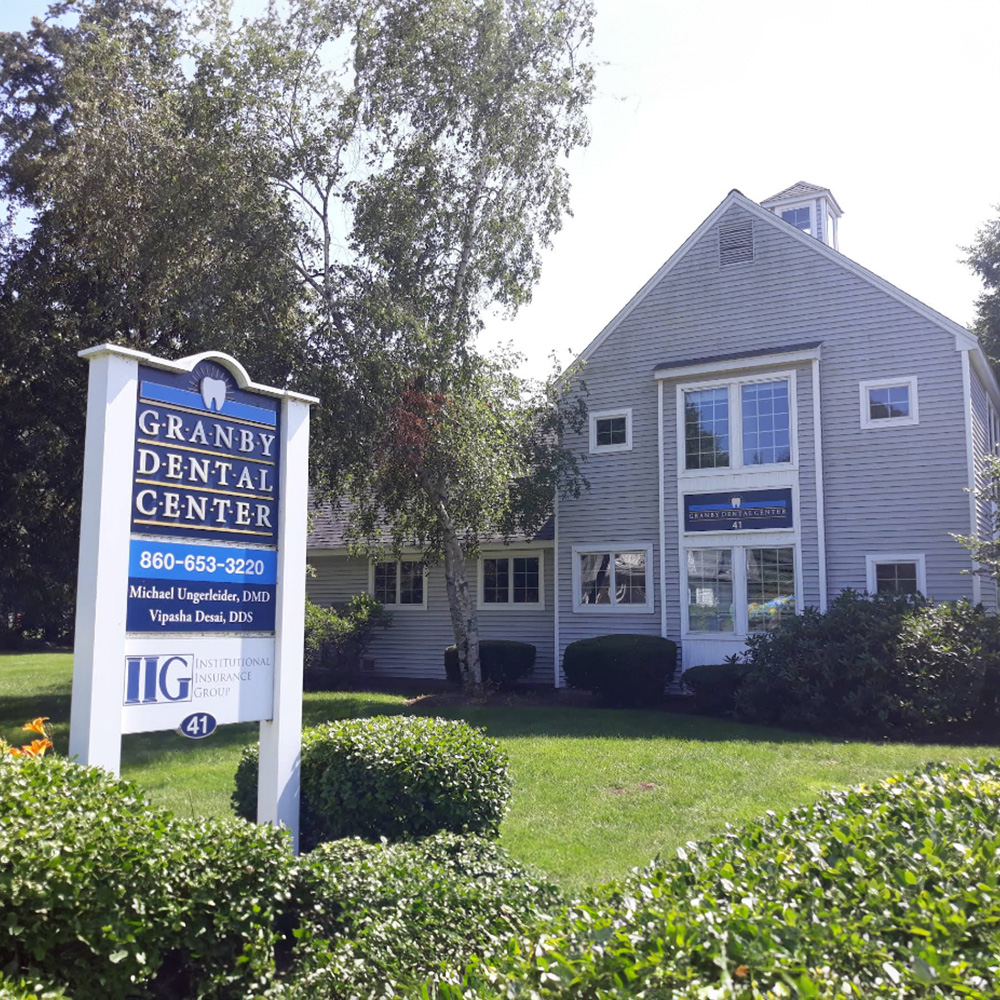
Scheduling your next visit to Granby Dental Center is quick and hassle-free. Whether you have a specific question about our services or just need to easily book a routine cleaning, our professional staff is here to provide clear answers and simple solutions.
We’ve made it easier than ever to get in touch: give us a call or use our quick online form. Don't put your oral health on the back burner, connect with us today and let us handle the details while you focus on your smile.