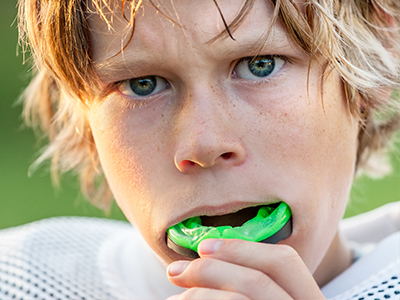
Contact sports, recreational activities, and even casual play carry the potential for significant dental and facial injuries. Broken or knocked-out teeth, cuts to the lips and cheeks, fractured jaws, and damage to dental restorations are common outcomes when the mouth is unprotected. Beyond immediate pain and visible damage, these injuries can lead to longer-term problems such as altered bite, chronic jaw pain, or the need for extensive restorative care.
Injuries occur in a wide variety of athletic settings — from organized team sports like football, hockey, and basketball to individual pursuits like skateboarding or cycling. The risk is especially high when players are exposed to high-speed impacts, falls, or collisions with other participants or equipment. Even sports perceived as low-risk can produce incidents that affect the teeth and surrounding soft tissues.
Recognizing the potential consequences helps patients and caregivers weigh prevention options realistically. Using protective equipment that fits properly and is appropriate for the sport reduces the chances of dental trauma and can limit the severity of injuries when impacts occur. This preventive approach supports both short-term safety and long-term oral health.
Mouthguards act as a resilient barrier between the teeth and external forces. By cushioning direct blows, they reduce the likelihood of fractured or avulsed (knocked-out) teeth and help disperse impact energy across a broader surface. In addition to protecting tooth structure, a properly fitted mouthguard shields the lips, cheeks, and tongue from lacerations that often accompany blunt trauma.
Beyond soft tissue protection, mouthguards can reduce harmful jaw movements that contribute to fractures and temporomandibular joint strain. Some designs incorporate shock-absorbing layers that help limit the transmission of force to the skull and facial bones. While no single device can guarantee prevention of every injury, consistent use of an appropriate mouthguard is a proven component of comprehensive protective strategies in sport.
Comfort and fit also influence protective performance. A mouthguard that stays securely in place during play provides uninterrupted coverage and minimizes distraction, so athletes are more likely to keep it in. Proper breathing and speech considerations are also important; well-designed mouthguards allow athletes to communicate and perform without compromising protection.
There are three broad categories of mouthguards: stock (ready-to-wear), boil-and-bite, and custom-made by a dental professional. Stock guards come preformed in generic sizes and are typically the least conforming to an individual’s mouth. Boil-and-bite options soften in hot water, allowing the wearer to shape the material around their teeth for a closer fit. Custom mouthguards are made from impressions taken by a dental office, delivering the most accurate fit and precise coverage.
Each type has advantages and limitations. Stock guards provide immediate, low-effort protection but may be bulky or prone to slipping. Boil-and-bite devices strike a balance between convenience and improved fit, but results vary depending on the molding process and user technique. Custom mouthguards offer the highest level of adaptation to tooth anatomy, existing dental work, and orthodontic appliances, which can translate to superior comfort and retention.
When evaluating options, consider factors such as the level of contact in the sport, whether the athlete has braces or prosthetic work, and how often the device will be used. For younger athletes whose mouths are changing, periodic reassessment ensures that the chosen type continues to provide effective protection as they grow.
Custom mouthguards are fabricated from detailed impressions or digital scans to match an individual’s teeth and bite precisely. This tailored approach ensures a snug fit that enhances comfort and minimizes movement during activity. Dental laboratories use layered materials that combine resilience with shock absorption; these constructions can be tuned for different sports or positions to balance protection with breathability and speech clarity.
The fit of a custom mouthguard influences both safety and wearability. Accurate adaptation to the occlusion (how the teeth come together) prevents unwanted changes to the bite and supports proper jaw alignment under impact. For athletes with orthodontic appliances or multiple restorations, the laboratory can incorporate additional space or coverage to protect vulnerable areas without compromising the underlying dental work.
Durability and hygiene are additional considerations. Higher-quality materials resist deforming under repeated use and are less likely to harbor bacteria if cleaned and stored properly. Regular evaluation by a dental professional helps determine when repairs or remakes are necessary so the protective properties remain intact over time.
Proper care extends the service life of a mouthguard and helps maintain oral hygiene. Rinse or brush the device after use with a toothbrush and cool water, allow it to air-dry completely before storage, and keep it in a ventilated container to discourage bacterial growth. Avoid exposing the mouthguard to high heat, which can warp the material, and inspect it regularly for tears, thinning, or changes in fit that signal a need for replacement.
Choosing the right mouthguard involves matching protection to the athlete’s age, dental status, and sport-specific risks. Children and adolescents often need more frequent replacements because of growth and changes in tooth position. Athletes undergoing orthodontic treatment should consult their dental provider to select a design that accommodates brackets and wires while still providing effective protection.
When possible, bring your current mouthguard to dental visits so your provider can assess fit and function. For athletes seeking the highest level of performance and protection, discuss custom fabrication options and material choices with your dental team. A thoughtful selection process emphasizes safety, comfort, and consistent use — the three pillars of effective oral protection in sport.
In summary, mouthguards are a practical, clinically supported way to reduce the severity of sports-related dental trauma. Selecting a guard that fits well, suits the athlete’s dental situation, and is cared for properly increases the likelihood that it will be worn consistently and perform as intended. If you would like to learn more about the options available or to discuss a custom solution for an athlete in your family, please contact Granby Dental Center for more information.


Sports mouthguards reduce the risk of common dental and facial injuries by cushioning impacts that would otherwise strike the teeth and soft tissues. They help prevent fractured or avulsed teeth, lacerations to the lips and cheeks, and damage to restorations such as crowns or bridges. By dispersing force over a wider area, mouthguards also lower the chance of jaw fractures and severe blunt trauma to the facial bones.
Beyond the immediate trauma, avoiding these injuries can prevent longer-term problems such as altered bite relationships, chronic temporomandibular joint discomfort, and the need for extensive restorative care. Mouthguards are not a guarantee against every injury, but consistent use markedly reduces both incidence and severity of sports-related oral trauma. Considering these factors helps athletes and caregivers make informed choices about protective equipment.
Mouthguards act as a resilient barrier that absorbs and redistributes the energy of an impact before it reaches tooth structure and soft tissues. A well-fitted device cushions blows to the front teeth, stabilizes the dental arches, and limits harmful movement that can lead to fractures or displacements. In many designs, layered materials provide additional shock absorption that reduces force transmission to the mandible and temporomandibular joints.
Protecting the lips, cheeks, and tongue from direct contact with teeth is also a key function, minimizing lacerations and contusions that commonly occur during collisions. Fit and retention matter because a mouthguard that stays securely in place preserves continuous coverage and prevents additional injury from a displaced device. Proper breathing and speech considerations built into the design help athletes maintain performance while staying protected.
Stock mouthguards are preformed and ready to wear, offering immediate protection but often lacking a snug fit and comfort. Boil-and-bite options soften in hot water to allow the wearer to mold them around the teeth, producing a better fit than stock guards but with variable results based on technique. Custom mouthguards are fabricated from dental impressions or digital scans and provide the most precise adaptation to an individual’s dentition and bite.
Each category balances convenience, fit, and protective performance differently, so the best choice depends on factors such as frequency of use and the athlete’s dental situation. Stock guards can be useful for occasional or emergency use, while boil-and-bite models are common for recreational players seeking improved fit. Custom devices are preferred when consistent protection, comfort, and accommodation of dental work are priorities.
Custom mouthguards are tailored to an individual’s teeth, bite, and oral anatomy, which improves retention, comfort, and protective coverage during play. Because they are made from detailed impressions or scans, custom devices minimize unwanted movement and reduce the risk of interference with natural occlusion and jaw positioning. The laboratory can also incorporate layered materials or strategic reinforcements to optimize shock absorption for different sports or positions.
For athletes with orthodontic appliances, extensive restorations, or a history of dental trauma, a custom mouthguard offers superior fit and adaptability that off-the-shelf options cannot match. Better fit encourages consistent wear, which is essential for effective protection over time. Discussing goals and oral conditions with a dental professional helps determine whether a custom device is the most appropriate solution.
Yes. Mouthguards can and should be adapted to protect teeth and appliances while maintaining function and comfort for the athlete. For those with braces or wires, some designs provide extra room or protective coverage to prevent soft-tissue injuries and to avoid dislodging orthodontic components during impact. Dental professionals can recommend or fabricate guards that balance appliance clearance with secure retention.
For athletes with extensive restorations such as crowns or implants, custom mouthguards offer the most reliable protection because they account for variations in tooth shape and position. Regular assessment ensures the device continues to fit as dental work changes or as orthodontic treatment progresses. Properly designed mouthguards reduce the risk that appliances or restorations will become damaged during sport.
Rinse or brush the mouthguard with cool water after each use and allow it to air-dry completely before storing it in a ventilated container to discourage bacterial growth. Avoid hot water, direct sunlight, or enclosed hot environments that can warp the material and compromise fit. Periodic gentle cleaning with a soft toothbrush and nonabrasive toothpaste or an antibacterial mouthguard soak will help maintain hygiene.
Inspect the device regularly for tears, thinning, or changes in fit that could reduce effectiveness, and replace or repair it if deterioration is evident. Store the guard away from pets and small children, as they can chew or damage it. Bringing the mouthguard to dental visits allows the clinician to evaluate fit and cleanliness as part of routine care.
Signs that a mouthguard needs replacement include visible tears, thinning areas, changes in retention, or a noticeable alteration in how the teeth fit together when wearing the device. Warping from heat exposure or persistent odor that is not resolved by cleaning are additional indicators that the material has degraded. For growing children and adolescents, changes in tooth position and jaw relationships often require more frequent replacement to maintain proper protection.
Regular inspection before and after use helps detect problems early, and a dental professional can confirm whether repair or remake is necessary during clinical checkups. Athletes who undergo orthodontic treatment should expect periodic adjustments and potentially new devices to accommodate movement of the teeth. Timely replacement preserves both safety and comfort for continued participation in sport.
The level of contact, typical impact speed, and rules of the sport should influence mouthguard selection because different activities present different risk profiles for dental trauma. High-contact sports such as football, hockey, and martial arts generally warrant a more protective, stable device, while lower-contact activities may allow for slimmer designs that prioritize comfort and breathing. Position and playing style matter too; athletes in roles with frequent collisions may require reinforced protection.
Material choices and thickness can be tailored to balance shock absorption with speech and breathing needs based on the sport, and custom fabrication allows for sport-specific tuning. Consulting with a dental professional and, when relevant, coaches or athletic trainers helps align guard selection with performance and safety objectives. Consistent use during practice and competition is the most important factor regardless of the chosen design.
Modern mouthguard designs aim to preserve normal breathing and allow basic communication so athletes can perform without undue restriction. Properly fitted guards provide space for unobstructed nasal breathing and include contours that permit speech while maintaining protective coverage. Bulkier or poorly fitting devices are more likely to interfere with airflow and clear speech, which is why fit and retention are essential considerations.
For athletes concerned about breathing or voice projection, a trial fitting or consultation with a dental professional can identify designs that balance protection with performance needs. Custom mouthguards are often the best option when minimizing interference is a priority because they are shaped to the athlete’s anatomy. Training with the mouthguard in place also helps the wearer become accustomed to speaking and breathing during play.
A custom fitting begins with an evaluation of the athlete’s dental history, current restorations, and any orthodontic appliances to determine the appropriate design and coverage. The clinician will take impressions or digital scans of the teeth and bite, which are used by a dental laboratory to fabricate a device that matches the individual’s occlusion and oral anatomy. Communication about sport-specific demands, comfort preferences, and breathing needs helps tailor material selection and thickness.
Once fabricated, the mouthguard is tried in and adjusted as necessary to ensure secure retention, comfortable occlusion, and unobstructed breathing. Follow-up checks allow the practice to address minor adjustments and to advise on care and replacement intervals. For families seeking reliable, individualized protection, Granby Dental Center can provide evaluation and custom fabrication to meet an athlete’s needs.
Scheduling your next visit to Granby Dental Center is quick and hassle-free. Whether you have a specific question about our services or just need to easily book a routine cleaning, our professional staff is here to provide clear answers and simple solutions.
We’ve made it easier than ever to get in touch: give us a call or use our quick online form. Don't put your oral health on the back burner, connect with us today and let us handle the details while you focus on your smile.