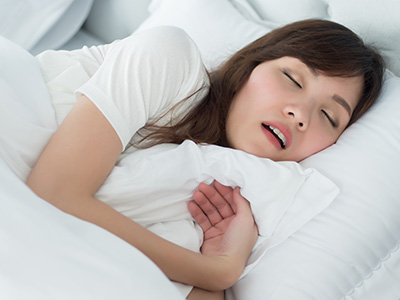
Snoring is produced when airflow during sleep causes relaxed soft tissues in the throat to vibrate. Almost everyone snores occasionally, but for some people the noise is a nightly, sleep-disrupting habit. Loud or frequent snoring can affect the snorer and anyone who shares the same bedroom, and in some cases it may signal an underlying sleep-disordered breathing condition that requires medical evaluation.
Estimates suggest that tens of millions of people in the United States snore to some degree. While many are simple, uncomplicated snorers, a portion of those who snore may have obstructive sleep apnea (OSA), a condition characterized by repeated breathing pauses during sleep. Distinguishing simple snoring from OSA is an important first step when considering treatment options, including oral appliances.
A number of anatomical and lifestyle factors can narrow or obstruct the upper airway and increase the likelihood of snoring. Identifying which of these factors apply to you helps guide appropriate care and improves the chance of a successful outcome.
Oral snoring appliances are custom-made devices worn during sleep that change the position of the jaw and tongue to keep the airway more open. Most commonly these devices are mandibular advancement appliances: they hold the lower jaw a few millimeters forward, creating more space behind the tongue and reducing soft-tissue vibration. The action is mechanical rather than pharmacological, providing a noninvasive way to improve airflow.
There are several design approaches. Some appliances gently move the lower jaw forward, while others also stabilize the tongue or support the soft palate. When fitted correctly, these devices can reduce the turbulent airflow that causes noise without restricting normal breathing. Their form factor resembles a sports mouthguard or an orthodontic retainer, and they are intended for nightly use while sleeping.
Because they alter oral posture, effective appliances are tailored to each patient's mouth and occlusion. A custom fit minimizes bulk, improves comfort, and reduces the risk of side effects like tooth soreness. Routine follow-up ensures the device is performing as intended and allows for adjustments if symptoms persist or change.
Oral appliances are most often recommended for people who are primary snorers or those with mild to moderate obstructive sleep apnea who cannot tolerate other therapies. Primary snorers are patients whose snoring is not accompanied by significant breathing pauses or drops in blood oxygen. A thorough evaluation helps determine whether you fall into that category or if further testing is necessary.
Not every patient is a good candidate. People with severe sleep apnea typically require continuous positive airway pressure (CPAP) or other medical treatments. Dental contraindications such as insufficient healthy teeth to retain the device, active periodontal disease, or significant temporomandibular joint (TMJ) disorders may limit suitability. Your dentist will assess oral health, bite alignment, and jaw function as part of the decision-making process.
Collaboration between dental and medical providers is often beneficial. If there is any concern for moderate or severe sleep apnea, a referral for a sleep study may be recommended before initiating an oral appliance. For patients judged appropriate, a custom device can be a practical and effective option that fits into daily life with minimal intrusion.
The pathway to a tailored snoring appliance begins with a comprehensive clinical assessment. During the initial visit the dentist reviews your sleep history, asks about daytime sleepiness and health conditions, and performs an oral and airway examination. Relevant medical history—such as prior sleep testing, nasal problems, or TMJ symptoms—is part of this assessment.
If an oral appliance is recommended, the next step is an impression or digital scan of the teeth and bite registration so a dental laboratory can fabricate a device specific to your anatomy. The laboratory-made appliance is then carefully fitted and adjusted in the office to achieve the recommended jaw position while maintaining comfort and a functional bite.
Follow-up appointments are important to confirm symptom improvement and to fine-tune the fit. Adjustments may be required to balance effectiveness with comfort, and periodic reviews allow the dentist to monitor for dental side effects—such as changes in tooth position—and address them promptly. For many patients, the collaborative care model produces consistent, measurable reductions in snoring.
Oral appliances offer several practical benefits: they are noninvasive, portable, quiet, and easy to integrate into nightly routines. Many patients appreciate the simplicity compared with other options, and for suitable candidates they can significantly reduce snoring intensity and frequency. They are also reversible—removing the appliance restores the mouth to its pretreatment condition.
However, there are important limitations to recognize. Oral devices are generally less effective than CPAP for severe obstructive sleep apnea and may not eliminate snoring in every case. Some users experience transient jaw discomfort, salivation changes, or minor tooth movement after prolonged use. Regular dental monitoring helps mitigate these risks and ensures the appliance continues to perform safely.
Other non-dental treatments—such as positional therapy, nasal therapies, or surgical interventions—may be appropriate depending on the underlying cause. Choosing the right treatment depends on the severity of symptoms, patient preference, and the presence of any medical conditions. An individualized plan that weighs benefits and trade-offs provides the best chance of lasting improvement.
Proper daily care extends the life of an oral appliance and maintains hygiene. Most devices should be cleaned each morning with a soft brush and mild soap or a manufacturer-recommended cleaner; they should be stored dry in their case. Avoiding excessive heat and following the device-specific care instructions prevents warping and bacterial buildup.
Long-term success also relies on periodic dental checkups to evaluate fit and to detect any adverse changes to teeth or bite. Appliances typically require replacement after several years of wear, and routine assessments help determine the optimal timing for replacement or adjustment.
Combining an oral appliance with healthy sleep habits enhances outcomes. Measures such as avoiding alcohol before bed, maintaining a consistent sleep schedule, addressing nasal congestion, and sleeping on your side can reduce snoring intensity. For many patients these behavioral strategies, together with a well-fitted appliance, produce meaningful improvements in sleep quality.
Granby Dental Center provides thorough dental evaluations for patients exploring oral solutions to snoring and works with medical colleagues when a broader sleep assessment is indicated.
In summary, custom oral appliances are a well-established, noninvasive option for many people who snore or have mild to moderate obstructive sleep-disordered breathing. They work by repositioning the jaw and supporting the airway, require a custom fit and follow-up, and are best chosen after a careful evaluation of medical and dental factors. Contact us for more information about whether a snoring appliance could be an appropriate part of your sleep care plan.


Snoring happens when airflow during sleep causes relaxed soft tissues in the throat to vibrate, producing sound. Factors that narrow the upper airway—such as nasal congestion, a large soft palate or uvula, low throat muscle tone, alcohol or sedative use, and sleeping on the back—make snoring more likely. Age, body habitus and inconsistent sleep patterns can also increase both the frequency and loudness of snoring.
Many people snore occasionally, while others do so nightly; a subset of snorers may have obstructive sleep apnea (OSA), which includes repeated breathing pauses and oxygen drops. Distinguishing simple snoring from OSA is an important step before choosing treatment because the safest option depends on the underlying condition. A clinical evaluation and, when indicated, a sleep study help guide appropriate therapy and rule out more serious sleep-disordered breathing.
Oral snoring appliances work mechanically by repositioning the jaw or stabilizing the tongue to create more space in the upper airway and reduce soft-tissue vibration. The most common design is a mandibular advancement device that holds the lower jaw a few millimeters forward, which moves the tongue away from the back of the throat and reduces turbulent airflow. Other designs may include tongue-retaining elements or support for the soft palate to address specific anatomical causes of snoring.
These devices are worn only during sleep and are intended to maintain a patent airway without impeding normal breathing. Because they alter oral posture, effective appliances are custom-made to each patient’s bite and anatomy to balance comfort with therapeutic effect. Routine follow-up allows the dentist to fine-tune the fit and jaw position for maximal benefit.
Snoring appliances are most often recommended for primary snorers and for patients with mild to moderate obstructive sleep apnea who cannot tolerate or prefer not to use other therapies. Candidates should have sufficient healthy teeth or another stable retention mechanism and no active periodontal disease or significant temporomandibular joint (TMJ) dysfunction that would be worsened by an oral device. A careful dental and airway assessment determines whether an appliance is likely to be safe and effective.
Patients with suspected moderate or severe OSA are usually referred for sleep medicine evaluation because continuous positive airway pressure (CPAP) or other medical treatments may be more appropriate. Collaboration between the dental provider and a sleep physician helps ensure the chosen therapy aligns with each patient’s medical and dental needs. If an appliance is selected, a custom fit and ongoing monitoring improve outcomes and reduce the risk of adverse effects.
The process begins with a comprehensive clinical assessment that includes a sleep history, questions about daytime sleepiness, and an oral and airway examination to identify factors contributing to snoring. If an appliance is appropriate, the dentist will take dental impressions or digital scans and record the bite at the therapeutic jaw position so a laboratory can fabricate a custom device. The initial fit appointment focuses on comfort, retention and achieving the recommended degree of mandibular advancement without compromising the bite.
Follow-up visits are scheduled to verify symptom improvement and to make incremental adjustments as needed for symptom control and comfort. Periodic dental examinations monitor for tooth movement, bite changes or TMJ symptoms and allow timely management of any issues. At any point, the dental team may coordinate care with medical colleagues or recommend objective testing to document treatment effectiveness.
Common short-term effects include jaw or muscle soreness, increased salivation or minor dry mouth and transient tooth sensitivity; most patients find these symptoms improve as they acclimate to the device. Over months or years some users may notice small changes in tooth position or bite, which is why regular dental monitoring is important. Significant or persistent discomfort, progressive bite changes or new TMJ pain should prompt re-evaluation of the device and treatment plan.
Management typically involves appliance adjustments, gradual titration of jaw advancement, jaw exercises and, when appropriate, a temporary break from the device while addressing symptoms. Close follow-up lets the dentist balance effectiveness with comfort and minimize long-term dental effects. If symptoms suggest underlying severe sleep-disordered breathing or medical concerns, the dental provider will coordinate with sleep medicine colleagues for a combined approach.
Daily cleaning after removal preserves hygiene and extends the life of the appliance; use a soft toothbrush, mild soap or a manufacturer-recommended cleaner and rinse thoroughly, then allow the device to dry before storing it in its case. Avoid hot water, harsh chemicals or prolonged soaking that can warp the material or degrade retention components. Storing the appliance in a ventilated case protects it from damage and limits bacterial buildup.
Routine dental checkups let your clinician evaluate fit, retention and any dental changes so adjustments or replacement can be made at the appropriate time. Many appliances require replacement after several years of wear because of material fatigue or progressive dental changes. Keeping a record of symptom changes and bringing the device to appointments helps the team assess performance and make timely recommendations.
For primary snoring and many cases of mild to moderate OSA, custom oral appliances can significantly reduce snoring intensity and improve sleep quality; patient preference and adherence are important determinants of real-world effectiveness. CPAP remains the most consistently effective therapy for moderate to severe OSA because it delivers continuous airway pressure to prevent collapse, but some patients find oral appliances more tolerable and easier to integrate into nightly routines. Other noninvasive options—such as positional therapy or nasal treatments—may complement an oral device depending on the identified causes of snoring.
Surgical interventions are reserved for specific anatomical problems and are considered when conservative measures are ineffective or inappropriate. The best choice depends on the severity of symptoms, underlying anatomy, patient comorbidities and personal preference. A coordinated plan between dental and medical providers ensures the selected therapy targets the root cause and fits the patient’s lifestyle and health needs.
Yes. Simple lifestyle measures often enhance the benefit of an oral appliance and reduce snoring independently; avoiding alcohol and sedatives before bedtime, maintaining a consistent sleep schedule, and addressing nasal congestion can all reduce airway collapsibility. Sleeping on your side instead of your back and using positional supports may further decrease snoring for people whose symptoms worsen when supine. Weight management and smoking cessation can also reduce upper airway resistance over time and improve overall sleep health.
Combining a well-fitted appliance with these behavioral strategies typically produces better and more sustainable results than any single measure alone. Your dental team can discuss practical tips tailored to your circumstances and coordinate with medical providers for comprehensive support. Regular follow-up evaluates how lifestyle changes and the device are working together and allows adjustments as needed.
Many patients notice a reduction in snoring intensity within the first few nights or weeks of consistent appliance use, but optimal improvement often requires several adjustments over weeks to months. Jaw position, comfort and retention are fine-tuned during follow-up visits to achieve the best balance between symptom relief and oral comfort. Objective improvements can sometimes be documented with sleep testing when indicated, particularly for patients previously diagnosed with sleep apnea.
Initial follow-up is commonly scheduled within a few weeks of delivery, with additional visits every few months during the first year and annual reviews thereafter to monitor dental health and device performance. Prompt evaluation is recommended if snoring worsens, daytime sleepiness increases, or dental symptoms emerge. Ongoing communication between the patient, dentist and sleep physician supports safe, effective long-term care.
Seek medical evaluation if you experience excessive daytime sleepiness, witnessed breathing pauses during sleep, loud gasping or choking episodes, morning headaches or uncontrolled high blood pressure, as these can be signs of moderate to severe obstructive sleep apnea. In such cases a sleep medicine consultation and diagnostic sleep study help determine the severity of sleep-disordered breathing and whether CPAP or other medical interventions are necessary. Dental providers will refer patients for medical assessment when clinical features suggest a condition beyond isolated snoring.
If you have significant dental issues—such as active gum disease, insufficient teeth for retention, or severe TMJ pain—these may preclude appliance therapy and require treatment or alternative approaches. For patients seeking a coordinated evaluation, Granby Dental Center works with medical colleagues to ensure that both oral and systemic factors are addressed before recommending a device. Timely interdisciplinary care improves safety and the likelihood of successful long-term outcomes.

Scheduling your next visit to Granby Dental Center is quick and hassle-free. Whether you have a specific question about our services or just need to easily book a routine cleaning, our professional staff is here to provide clear answers and simple solutions.
We’ve made it easier than ever to get in touch: give us a call or use our quick online form. Don't put your oral health on the back burner, connect with us today and let us handle the details while you focus on your smile.