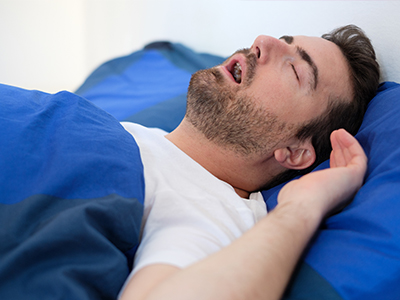
Restorative sleep is one of the simplest pillars of good health — and one of the most commonly disrupted. When breathing repeatedly pauses during the night, the body and brain cannot complete the restorative cycles they need. At Granby Dental Center, our approach to sleep-disordered breathing focuses on careful evaluation and patient-centered solutions that reduce interruptions and improve daytime functioning.
Sleep apnea is a disorder characterized by repeated interruptions in airflow during sleep. The most common form, obstructive sleep apnea (OSA), happens when soft tissues in the throat relax and block the airway. Each pause — whether a complete stop in breathing (an apnea) or a significant reduction in airflow (a hypopnea) — temporarily reduces oxygen levels and fragments sleep.
These interruptions trigger brief arousals that prevent the brain from cycling through deep, restorative stages of sleep. Over time, this pattern contributes to daytime sleepiness, impaired concentration, and an increased risk of other health concerns. Because symptoms can be subtle, many people do not recognize the disorder until a partner notices loud snoring or observed breathing pauses.
Beyond immediate sleep disruption, the physiological stress of repeated nighttime oxygen drops activates the body's sympathetic nervous system, increases inflammatory markers, and raises cardiovascular strain. Understanding these mechanisms helps explain why treating sleep apnea can improve more than just sleep quality — it can support broader health outcomes.
Typical nighttime signals include loud, habitual snoring, frequent gasping or choking episodes, and witnessed pauses in breathing. Many people wake feeling unrefreshed or notice fragmented sleep even without a partner present. Some experience frequent nighttime urination or GERD-like symptoms that can coincide with breathing interruptions.
Daytime effects often include persistent fatigue, difficulty concentrating, mood changes, and an increased tendency to nod off during quiet activities. These symptoms can affect work performance, reaction times while driving, and overall quality of life. Sleep apnea can also worsen control of chronic conditions such as hypertension and type 2 diabetes when left unmanaged.
Because the pattern varies in severity and presentation, a careful history and observation are essential. Family members and bed partners are often the first to report breathing pauses, but self-report of daytime symptoms and sleepiness scales can also guide the need for further evaluation.
Assessment typically begins with a clinical conversation about sleep habits, health history, daytime symptoms, and risk factors such as excess weight, neck circumference, or certain anatomical features. Screening questionnaires and structured interviews help determine the likelihood of sleep-disordered breathing and whether diagnostic testing is warranted.
When indicated, formal sleep testing measures breathing patterns, oxygen levels, and sleep stages. These studies range from in-home portable monitoring to comprehensive laboratory polysomnography. The choice of test depends on symptom complexity, medical history, and provider recommendation. Test results classify the severity of sleep apnea and guide treatment planning.
Interpretation of study results considers the frequency and type of events, oxygen desaturation, and the presence of other sleep disorders. A coordinated review between sleep medicine specialists, physicians, and dental clinicians ensures that patients receive a treatment plan tailored to their needs and anatomy.
Treatment options for sleep apnea are individualized and may include continuous positive airway pressure (CPAP), positional therapy, weight management, and targeted dental solutions. CPAP is a well-established therapy that delivers pressurized air to keep the airway open; for many patients it provides immediate reduction in apneas and clearer sleep architecture.
Behavioral and lifestyle strategies — such as improving sleep hygiene, avoiding alcohol near bedtime, and addressing nasal congestion — can complement device-based therapies and, in some cases, reduce symptom burden. A multidisciplinary approach that includes medical and dental perspectives often yields the best outcomes, especially when coexisting conditions are present.
Monitoring response to treatment is essential. Follow-up assessments check symptom improvement, adherence to prescribed therapies, and any adjustments needed to optimize comfort and effectiveness. The goal is measurable improvement in sleep quality and daytime function while minimizing side effects.
For patients with mild to moderate obstructive sleep apnea or those who cannot tolerate CPAP, custom oral appliances offer an effective alternative. These devices resemble athletic mouthguards or orthodontic retainers and reposition the lower jaw and tongue to help maintain an open airway during sleep. When designed and fitted properly, oral appliances can significantly reduce snoring and the frequency of obstructive events.
Selection of an appliance is based on individual anatomy, dental health, and sleep study findings. A thorough dental examination ensures the patient’s teeth and supporting structures are suitable for an oral device. Custom fabrication and careful intraoral adjustments help balance therapeutic benefit with comfort.
Because response varies, ongoing titration and periodic follow-up are part of responsible care. Objective reassessment — sometimes including repeat sleep testing — confirms that the appliance is delivering the intended airway support and informs any necessary refinements.
Dental management of sleep apnea emphasizes individualized assessment, precise appliance design, and long-term monitoring. Our team evaluates oral anatomy, dental stability, and sleep study data to create a plan that integrates with medical recommendations. Safety, comfort, and effectiveness guide each treatment decision.
After an appliance is fitted, routine checkups look for dental or bite changes, assess symptom relief, and verify continued fit and function. Collaboration with physicians and sleep specialists ensures that dental therapy aligns with broader medical care and addresses evolving needs over time.
Patients benefit from a coordinated, evidence-informed approach that values both symptom relief and oral health. Whether advancing a conservative strategy or supporting a combination of treatments, the focus remains on improving sleep quality and daytime well-being through measurable, practical interventions.
In summary, sleep apnea is a common but treatable condition. If you suspect you or a loved one may have sleep-disordered breathing, contact us to learn more about evaluation and the range of care options available. Our team can help you take the next step toward safer, more restorative sleep.

Sleep apnea is a sleep-disordered breathing condition in which breathing repeatedly pauses or becomes very shallow during sleep. The most common form, obstructive sleep apnea, occurs when soft tissues in the throat collapse and block airflow, while central sleep apnea involves reduced respiratory drive from the brain. Each pause can lower oxygen levels and fragment sleep, preventing the restorative stages needed for daytime function.
These repeated interruptions increase sympathetic nervous system activity and inflammatory markers, which can affect cardiovascular health and metabolic control over time. Because symptoms may be subtle or occur only at night, many people are unaware they have sleep apnea until a bed partner notices loud snoring or observed pauses. Early recognition and evaluation help reduce related health risks and improve daytime alertness.
Nighttime signs often include loud, chronic snoring, gasping or choking episodes, and witnessed pauses in breathing. Some people wake frequently and feel unrefreshed despite spending enough time in bed, and others experience nighttime headaches, frequent urination, or reflux symptoms that coincide with sleep interruptions.
Daytime effects commonly include excessive sleepiness, difficulty concentrating, mood changes, and an increased risk of drowsy driving or workplace errors. Because symptoms can vary widely, a careful history including bed partner observations and standardized sleepiness scales is important for determining the need for further testing.
Evaluation begins with a clinical history, physical exam, and assessment of risk factors such as BMI, neck circumference, and upper airway anatomy. Providers often use screening questionnaires and may recommend objective testing when clinical suspicion is moderate to high.
Diagnostic testing ranges from in-home portable monitors that track airflow and oxygen levels to comprehensive laboratory polysomnography that measures sleep stages, respiratory events, and limb movements. Results are interpreted to classify severity and to guide a personalized treatment plan in collaboration with medical and dental specialists as needed.
Treatment is individualized and can include continuous positive airway pressure (CPAP), oral appliance therapy, positional therapy, weight management, and, in selected cases, surgical interventions. CPAP remains the gold-standard for moderate to severe obstructive sleep apnea because it provides pneumatic splinting of the airway, while other approaches may be recommended based on anatomy, severity, and patient preference.
Behavioral changes such as avoiding alcohol near bedtime, improving sleep hygiene, and treating nasal congestion can complement device-based therapies. A multidisciplinary strategy that coordinates care among sleep physicians, primary care providers, and dental clinicians often yields the best long-term outcomes.
Oral appliance therapy is a recommended option for patients with mild to moderate obstructive sleep apnea and for those who cannot tolerate CPAP. These custom devices reposition the lower jaw and tongue to help maintain airway patency during sleep and can significantly reduce snoring and obstructive events when fitted and adjusted properly.
Selection requires a thorough dental examination to confirm adequate teeth and periodontal stability, along with review of sleep study data to ensure appropriateness. Regular follow-up and objective reassessment help verify therapeutic benefit and allow for titration or transition to other therapies if needed.
CPAP is typically more effective at reducing the number of obstructive events and improving oxygenation, particularly in moderate to severe cases, because it provides continuous positive pressure to keep the airway open. Oral appliances are generally less effective on average but can be a practical alternative for patients with milder disease or for those who struggle with CPAP adherence.
Effectiveness depends on both device performance and patient adherence; a less effective therapy used consistently may provide better real-world outcomes than a highly effective therapy that is abandoned. Shared decision-making with the care team helps match the right treatment to the patient's anatomy, preferences, and lifestyle.
Behavioral measures such as weight reduction for patients with excess body weight, avoiding alcohol and sedatives before bedtime, and establishing a consistent sleep schedule can reduce the frequency and severity of apneas for some people. Sleeping on one’s side rather than the back and addressing nasal obstruction also often improve nighttime breathing.
Smoking cessation and treating comorbid conditions such as allergies or nasal congestion contribute to better outcomes and may enhance tolerance of device-based therapies. These strategies are best used alongside medical or dental treatments rather than as sole therapy when sleep apnea is moderate or severe.
Dental clinicians trained in dental sleep medicine evaluate oral anatomy, dental health, and bite relationships to determine candidacy for oral appliance therapy and to design custom devices that balance effectiveness with comfort. Proper fabrication, titration, and routine dental monitoring are essential to ensure the appliance maintains airway support without compromising teeth or jaw function.
Coordination with physicians and sleep specialists ensures dental treatment aligns with the overall medical plan and that objective outcomes are tracked. The team at Granby Dental Center works within a multidisciplinary framework to integrate oral appliance therapy with broader sleep apnea management when appropriate.
Follow-up focuses on assessing symptom improvement, monitoring adherence to prescribed therapies, and checking for side effects or dental changes related to oral appliances. Objective measures—such as adherence data from CPAP devices or repeat sleep testing after initiating an oral appliance—help determine whether adjustments or alternative treatments are needed.
Routine dental exams look for tooth movement, bite changes, or jaw discomfort in patients using oral appliances, and medical follow-up evaluates cardiovascular and metabolic responses to therapy. Ongoing communication between dental and medical providers supports safe, effective long-term management at Granby Dental Center and with referring sleep medicine teams.
Before an in-lab polysomnogram or an at-home test, patients should maintain their typical sleep schedule and avoid alcohol and heavy meals before bedtime, as these can alter sleep architecture and test results. It is helpful to bring a list of current medications and any relevant medical records, and to note sleep patterns or symptoms in a diary when requested by the provider.
For in-lab studies, patients should bring comfortable sleepwear and personal items that aid relaxation; for home tests, follow the device instructions for sensor placement and activity restrictions. Discussing concerns with the ordering clinician beforehand ensures the study type chosen matches the diagnostic question and yields useful data for treatment planning.
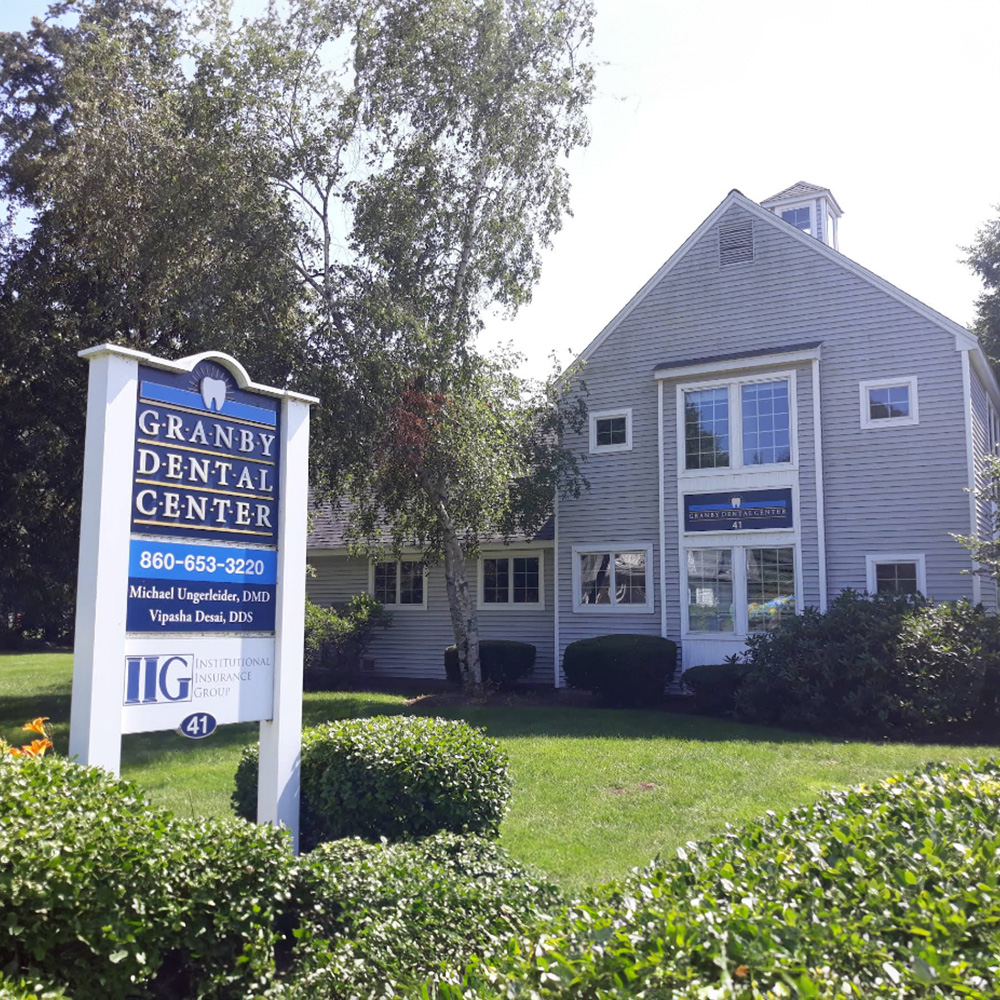
Scheduling your next visit to Granby Dental Center is quick and hassle-free. Whether you have a specific question about our services or just need to easily book a routine cleaning, our professional staff is here to provide clear answers and simple solutions.
We’ve made it easier than ever to get in touch: give us a call or use our quick online form. Don't put your oral health on the back burner, connect with us today and let us handle the details while you focus on your smile.