At the office of Granby Dental Center, we view preventive dental care as the foundation of lifelong oral health. A practical, well-managed preventative program reduces the chance of painful problems, helps preserve natural teeth, and supports a healthier body overall. By focusing on routine maintenance and early detection, patients can avoid complex treatments down the road and enjoy the confidence that comes with a reliable, healthy smile.
Oral health and general health are closely connected. Chronic gum inflammation and untreated infections can influence systemic conditions, and maintaining a clean, healthy mouth helps lower the burden of bacteria and inflammation the body must manage. For patients with chronic medical conditions, regular dental evaluations are an important part of overall healthcare coordination and risk reduction.
Prevention is not only about avoiding cavities; it’s about identifying small changes before they become significant concerns. Routine screening exams allow clinicians to spot early signs of enamel wear, gum recession, and other changes that, if left unchecked, can lead to more invasive care. Early interventions often require simpler procedures and preserve more of the natural tooth structure.
For families, the benefits multiply: children who grow up with consistent preventive visits tend to develop better oral hygiene habits and experience fewer emergency visits. Adults who stay current with preventive care are more likely to maintain healthy teeth and gums well into older age. In short, a preventative program is an investment in both immediate comfort and long-term well-being.
A thorough preventative program blends professional care with practical self-care. At routine visits, clinicians perform cleanings to remove plaque and tartar that brushing and flossing alone can’t eliminate. These visits also include a step-by-step oral exam to evaluate teeth, gums, bite relationship, and soft tissues for any signs of concern.
Screening is another essential component. Oral cancer checks, periodontal assessments, and bite evaluations help identify conditions that benefit from early action. Many preventive visits also include fluoride applications or other remineralization strategies when appropriate, which can strengthen enamel and reduce sensitivity.
Education is built into every preventive appointment. Our team reviews patients’ home care routines, suggests adjustments, and demonstrates effective brushing and interdental cleaning techniques. Practical, personalized guidance empowers patients to take control of their daily oral health between visits.
No two mouths are exactly the same, and a good preventative program is tailored to the individual. Children require age-appropriate instruction, topical fluoride treatments when indicated, and sealants for grooves that are difficult to clean. Teenagers benefit from guidance around orthodontic care and habits that protect developing dentition.
For adults, preventive care focuses on maintaining restorations, addressing gum health, and monitoring wear patterns related to grinding or diet. Patients with medical complexities—such as diabetes or heart conditions—often need more frequent monitoring and closer communication with their medical providers to ensure coordinated care.
Seniors have distinct needs as well: gum recession, root sensitivity, and the long-term effects of past dental work require focused attention. A preventive plan evolves over time to reflect changing risks, lifestyle factors, and the patient’s personal preferences for care.
Modern preventive dentistry combines time-tested methods with contemporary tools. Professional cleanings use specialized instruments and polishing techniques to remove hardened deposits without damaging enamel. Magnification, digital imaging, and adjunctive screening tools help clinicians detect issues earlier and with greater accuracy.
Home care recommendations draw on the latest evidence about interdental cleaning, fluoride use, and gentle, effective brushing. For patients with specific needs—such as dry mouth, heavy plaque buildup, or sensitivity—the team may recommend tailored products or strategies designed to address those challenges and make daily care more comfortable and effective.
Patient education also uses visual aids and plain-language explanations so everyone understands why a recommendation is made and how to implement it at home. When patients see the rationale behind a preventive step, they are more likely to follow through and achieve better long-term results.
Prevention works best when small habits are consistent. Simple steps—brushing twice a day with a soft-bristled brush, cleaning between teeth daily, and limiting frequent exposure to sugary snacks and acidic beverages—make a measurable difference. These habits not only help prevent cavities and gum disease but also reduce staining and sensitivity.
Scheduling is another key part of success. Routine checkups give the dental team opportunities to reinforce healthy practices, address emerging issues, and adjust preventive measures as needed. Many patients find that setting recurring appointments on their preferred calendar or mobile device makes it easy to stay on track.
When challenges arise—such as increased bleeding of the gums, a new sore spot, or unusual sensitivity—promptly contacting the practice helps resolve the problem before it escalates. Early communication and follow-up reduce anxiety, limit the need for emergency care, and maintain steady progress toward lasting oral health.
Granby Dental Center is committed to helping patients build strong preventive habits and to providing the professional support needed to keep smiles healthy for life. If you’d like to learn more about our preventative program or how it can be tailored to your needs, please contact us for more information.

A preventive dental program is a coordinated approach to routine care that emphasizes early detection and maintenance to protect teeth and gums. It combines professional services such as cleanings and screenings with personalized home care recommendations to lower the risk of decay and gum disease. The goal is to preserve natural teeth, reduce the need for complex procedures, and support overall oral comfort and function.
A well-structured program also tracks changes over time so clinicians can respond to small problems before they progress. This continuous attention helps maintain restorations, monitor wear patterns, and detect oral conditions at treatable stages. Patients benefit from predictable, evidence-based steps that focus on long-term oral health.
Oral health is connected to overall health through shared pathways of inflammation and infection that can affect other body systems. Chronic gum inflammation and untreated oral infections can increase the biological burden the body manages, and keeping the mouth healthy helps reduce that burden. For people with chronic conditions, dental monitoring is an important part of minimizing complications and supporting general well-being.
Preventive visits also provide opportunities for clinicians to spot signs that may relate to systemic issues, such as unusual oral lesions or changes in tissue that merit medical attention. Early identification and referral can improve outcomes by enabling timely coordination with medical providers. In this way, dental prevention contributes to a broader strategy of health maintenance.
Frequency of preventive visits depends on individual risk factors, but many patients benefit from routine evaluations every six months. Patients with periodontal disease, high decay risk, certain medical conditions, or a history of frequent dental problems may need more frequent visits for monitoring and maintenance. The recommended interval is based on a clinician's assessment of oral health status and risk profile.
During an initial or recall visit clinicians will review hygiene routines, medical history, and any changes since the previous appointment to establish an appropriate schedule. Adjustments are made as conditions improve or if new risks emerge, so ongoing assessment is an integral part of the program. Setting recurring appointments and reminders helps patients stay consistent with preventive care.
A comprehensive preventive visit typically includes a professional cleaning, a full oral exam, and any necessary screenings such as oral cancer checks or periodontal assessments. Cleanings remove plaque and tartar that cannot be eliminated by home care alone, while the exam evaluates teeth, gums, bite relationships, and soft tissues for signs of disease or wear. When indicated, clinicians may take radiographs or use digital imaging to view areas not visible during a visual exam.
Education and individualized home care guidance are also central to the visit, with clinicians demonstrating techniques and recommending products tailored to specific needs. Clinicians document findings, compare them to previous records, and discuss next steps when early issues are identified. This structured approach supports timely interventions that preserve tooth structure and gum health.
Preventive care commonly includes periodontal screening and charting, oral cancer examinations, bite and wear assessments, and targeted radiographs when clinically indicated. Periodontal screening identifies pockets, bleeding, and recession that suggest active gum disease, while oral cancer screening examines soft tissues for suspicious lesions. Bite evaluations and wear analysis help detect grinding or malocclusion that can accelerate tooth damage.
Adjunctive tools such as intraoral cameras or specialized light-based screenings may be used to enhance visualization and documentation. The objective of these procedures is early detection, so treatment options remain minimally invasive and outcomes are more predictable. Regular screening creates a baseline that makes it easier to notice meaningful changes over time.
Yes, fluoride treatments and dental sealants are common preventive measures used to strengthen enamel and reduce the risk of decay. Topical fluoride applications help remineralize enamel and lower sensitivity, while sealants protect grooves and pits on chewing surfaces that are difficult to clean effectively. Both interventions are targeted based on individual risk and the anatomy of specific teeth.
Clinicians evaluate factors such as age, cavity history, and diet when recommending fluoride or sealants, and they discuss expected benefits and upkeep. Sealants are especially useful for children and teenagers but can also protect susceptible adult molars. These treatments are part of a broader preventive strategy that complements daily hygiene and routine professional care.
Preventive care for children and teenagers emphasizes age-appropriate education, habit formation, and interventions that protect developing teeth. Early visits focus on building comfort with dental care, teaching effective brushing and interdental cleaning, and assessing eruption patterns and occlusion. Fluoride varnishes and sealants are commonly recommended for young patients to reduce decay in vulnerable areas.
For teenagers, preventive guidance often includes counseling about dietary impacts, sports-related mouth protection, and oral hygiene during orthodontic treatment. Clinicians also monitor for habits such as grinding or tobacco use that can affect oral health. A preventive program evolves with the patient to address changing risks and to support a smooth transition to adult dental care.
Medical conditions such as diabetes, cardiovascular disease, pregnancy, and immune disorders can alter oral disease risk and affect the timing and type of dental preventive care. Clinicians review medications, medical history, and recent medical evaluations to tailor screenings and recall intervals for patients with complex health needs. Increased monitoring and closer coordination with medical providers are often recommended to manage shared risk factors effectively.
Preventive plans may include more frequent periodontal maintenance, modified home care recommendations, and clear communication pathways for perioperative or medical management. Documenting changes in health status and medication use at each visit helps clinicians adapt prevention strategies. This individualized approach reduces the likelihood of complications and supports coordinated care.
Contemporary preventive dentistry uses a combination of proven techniques and diagnostic tools to enhance early detection and patient education. Digital imaging, intraoral cameras, magnification, and adjunctive screening aids improve visualization of subtle changes in tooth structure and soft tissues. Professional instrumentation and polishing methods remove deposits while preserving enamel, and evidence-based product recommendations support effective home care.
Education delivered with visual aids and plain-language explanations helps patients understand the reasons behind recommendations and increases adherence to daily habits. Clinicians also use risk assessment protocols to prioritize interventions for higher-risk individuals. Together, these tools and techniques make preventive care more precise and actionable.
Receiving a personalized preventive plan begins with a comprehensive evaluation that includes medical history, a clinical exam, and any needed imaging or screenings. Based on those findings the clinician explains the patient’s risk profile, proposes an individualized recall schedule, and recommends specific home care routines and professional interventions. The plan is documented and adjusted over time as the patient’s needs change.
The office of Granby Dental Center emphasizes clear communication and shared decision-making so patients understand the rationale for each preventive step and how to implement it at home. If you prefer, the practice can outline options for monitoring and follow-up that align with your lifestyle and health status. A tailored preventive program helps protect teeth and gums while minimizing the need for more invasive care later on.
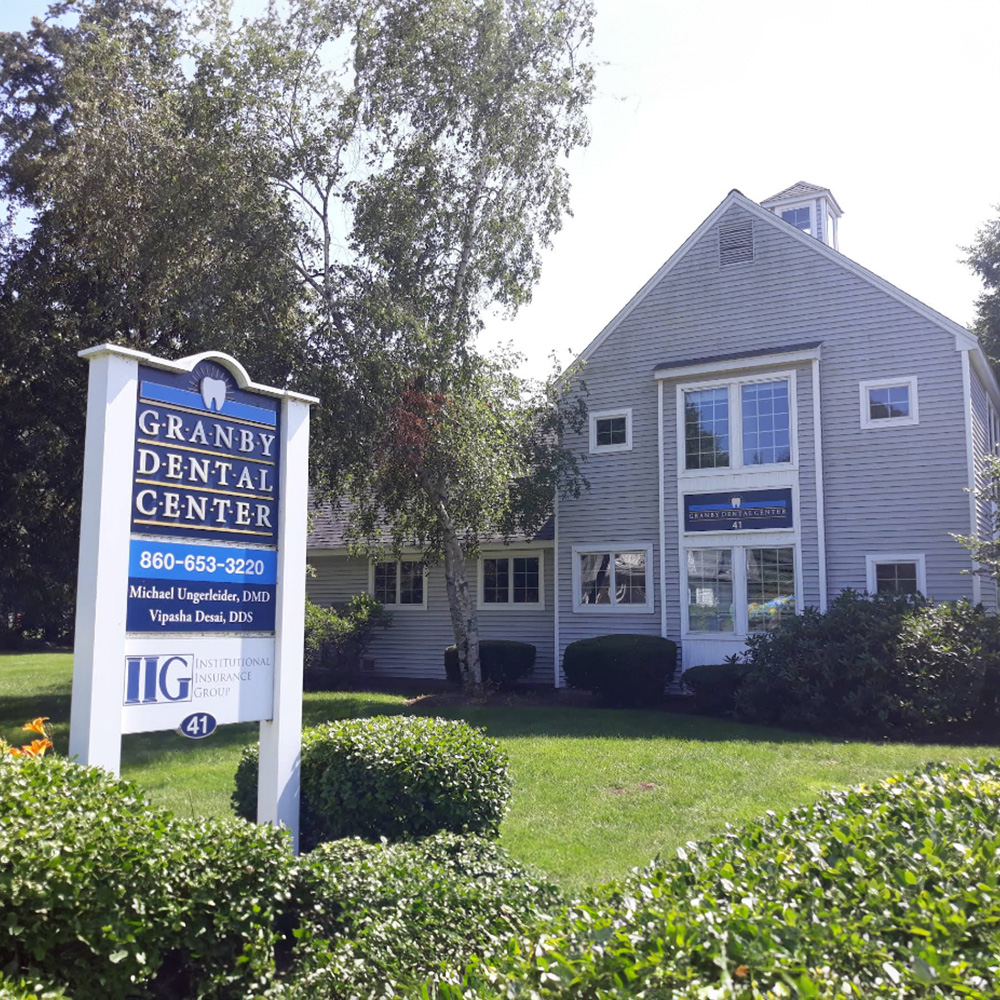
Scheduling your next visit to Granby Dental Center is quick and hassle-free. Whether you have a specific question about our services or just need to easily book a routine cleaning, our professional staff is here to provide clear answers and simple solutions.
We’ve made it easier than ever to get in touch: give us a call or use our quick online form. Don't put your oral health on the back burner, connect with us today and let us handle the details while you focus on your smile.