At the office of Granby Dental Center, your child's oral health is treated with thoughtful, age-appropriate care. We focus on establishing strong habits early so children grow up with healthy, confident smiles. Our goal is to combine preventive attention, practical education, and gentle treatment in a setting that helps kids feel safe and supported.

Healthy smiles begin long before permanent teeth arrive. By introducing simple daily routines and early dental visits, parents can prevent problems and teach children the value of self-care. Our team prioritizes clear guidance for families so that brushing, flossing, and sensible snacking become natural parts of a child’s day.
We also emphasize a supportive atmosphere: calm explanations, age-appropriate language, and a patient-centered approach reduce fear and build trust. When a child feels comfortable in the dental chair, parents can take advantage of those moments to reinforce good habits and learn practical tips from the clinician.
Prevention is more than a single treatment — it’s a partnership between caregivers and clinicians. Together, we track development, spot early concerns, and tailor preventive strategies for each stage of growth, helping children keep cavities, infections, and avoidable complications at bay.
Routine visits combine a careful exam, gentle cleaning, and practical instruction. During a checkup the clinician reviews medical history, inspects the teeth and gums, evaluates bite and jaw function, and discusses any concerns you or your child may have. Exams are adapted to each child's age and developmental level to make the experience positive and productive.
Dental care for children often includes focused preventive measures: a professional cleaning to remove plaque and tartar, targeted fluoride applications as indicated, and recommendations about sealants when adult molars erupt. These interventions are designed to strengthen enamel and reduce the chance of decay in vulnerable chewing surfaces.
When images are needed, we use digital radiographs that minimize exposure and provide a clear view of tooth development beneath the surface. These images help the team identify hidden decay, evaluate the alignment of unerupted teeth, and plan appropriate follow-up care without guesswork.
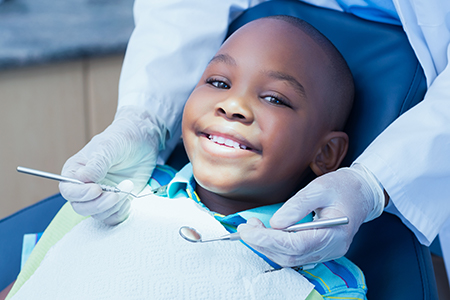
Regular checkups give clinicians the chance to observe changes over time. For growing children, this means monitoring how teeth come in, how jaws are developing, and whether habits like thumb-sucking are influencing alignment. Early detection leads to simpler, less invasive solutions later on.
At each appointment we also review hygiene routines and dietary patterns, offering concrete advice tailored to your child’s daily life. Small adjustments at home — like swapping sugary drinks for water or establishing a consistent brushing routine — have a measurable impact on oral health outcomes.
Our focus is to make visits informative for parents and engaging for kids, so that the knowledge shared in the office translates into healthier choices at home and school.
Tooth decay is one of the most common childhood conditions, but it is largely preventable with the right strategies. We emphasize a layered approach: consistent home care, professional cleanings, fluoride where appropriate, and protective sealants on the molars when they come in. These steps work together to reduce risk and preserve healthy tooth structure.
Habits that expose teeth to frequent sugars, prolonged bottle use, or constant snacking increase vulnerability to cavities. We help families develop routines and meal habits that support oral health without turning everyday nourishment into a battleground.
In addition to preventing decay, protecting teeth during activity matters. Properly fitted mouthguards reduce the chance of traumatic injuries for children who play sports or participate in rough-and-tumble activities. We can discuss options and make recommendations based on your child’s level of play.
Begin regular dental care early and make visits a normal part of routine health maintenance
Keep baby teeth clean with gentle wiping or an infant brush as teeth emerge
Avoid letting a child sleep with bottles containing milk or juice; offer water when appropriate
Bring children for routine checkups so problems are detected and managed early
Set a positive example by practicing recommended brushing and flossing habits together
Choose nutritious snacks and water over sugary drinks; moderation matters for long-term health
Help children stop pacifier or thumb habits at an age-appropriate time to protect bite development
Use a properly fitted mouthguard for sports to help prevent dental injuries

Tooth development begins before birth, and the earliest teeth typically appear during the first year of life. That milestone is a good time to schedule an initial dental checkup so parents can learn safe cleaning techniques, receive guidance about teething discomfort, and get practical tips to prevent early decay.
Teething can be uncomfortable, and soothing measures such as chilled teething rings or gentle gum massage can help. We’ll also guide parents on safe pain-relief options and when to call if symptoms seem excessive or persistent.
Baby teeth may seem temporary, but they play a critical role in speech, eating, and holding space for permanent teeth. Protecting these primary teeth from decay helps preserve overall oral development and reduces the need for more complex care later on.
As children move into adolescence their dental needs evolve. Permanent teeth appear, bite relationships change, and lifestyle factors like sports and diet shift. We focus on guiding families through these transitions with practical, stage-appropriate advice and interventions to support healthy growth.
When orthodontic or specialty care is indicated, early monitoring allows for timely referrals and coordinated planning. Many alignment issues are easier to manage when identified promptly, and our evaluations include a careful look at jaw development and tooth position.
Nutrition remains a cornerstone of oral health during growth. A balanced diet supports strong teeth and tissues, while limiting frequent exposure to sugary or sticky foods reduces cavity risk. We work with families to integrate realistic, long-term eating habits that support both dental and overall health.
Regular dental exams include assessment of facial growth and occlusion. If there are signs that the bite is developing unusually or that crowding may be a future concern, we’ll discuss timing for orthodontic evaluation. Early attention can simplify later treatment and improve outcomes.
Strong teeth are built on a foundation of good nutrition, consistent hygiene, and healthy habits. We provide practical suggestions that fit family routines—small changes can add up to meaningful improvements in oral health and confidence as children grow.
Children are active and accidents happen. When a tooth is chipped, loosened, or displaced, prompt attention can make a significant difference in preserving dental health. We provide clear guidance on immediate steps to take and offer timely care to manage pain, prevent infection, and stabilize the situation.
Other urgent issues include sudden toothaches, swelling, or signs of infection. Early assessment helps address pain and prevents complications. Our team prioritizes compassionate, efficient care to restore comfort and function while protecting long-term oral health.
Whether it’s a routine concern or an unexpected event, our approach is practical and evidence-based. We aim to support families with clear information, thoughtful treatment options, and the reassurance that their child’s oral health is in experienced hands.
In summary, pediatric dentistry is about preventing problems, supporting development, and helping children feel comfortable with dental care. If you’d like to learn more about our approach or discuss your child’s needs, please contact Granby Dental Center for more information.


Children should have their first dental visit by their first birthday or within six months of the eruption of the first tooth. Early visits allow the clinician to assess oral development, check for early signs of decay, and advise caregivers on safe cleaning and feeding practices. These appointments also provide practical guidance on pacifier use, thumb-sucking and fluoride exposure to support healthy growth.
At Granby Dental Center we emphasize a gentle, age-appropriate introduction to dental care that helps children feel comfortable. The first visit is typically brief and focused on examination and education rather than treatment, so parents leave with clear, actionable steps for home care. Establishing dental visits early builds a foundation for regular preventive care as the child grows.
A routine pediatric checkup combines a careful oral exam, a gentle cleaning when appropriate, and focused education for parents and children. The clinician reviews medical history, inspects teeth and gums, evaluates bite relationships and jaw development, and looks for early signs of decay or developmental concerns. Exams are adapted to the child’s age to make the visit positive and productive for both the child and caregiver.
Preventive services during the visit may include plaque removal, targeted fluoride application if indicated, and discussion about sealants when back teeth emerge. When necessary, low-dose digital radiographs provide detailed information about unerupted teeth and hidden decay while minimizing exposure. The appointment ends with personalized recommendations for home care and follow-up planning.
Preventing tooth decay starts with consistent daily habits: brushing twice a day with an appropriate amount of fluoride toothpaste, cleaning emerging teeth in infants, and supervising flossing as teeth touch. Limiting frequent exposure to sugary drinks and snacks, offering water between meals, and avoiding putting a child to bed with bottles of milk or juice significantly reduce cavity risk. Regular dental visits allow clinicians to assess risk and reinforce routines that are realistic for a family’s schedule.
Professional preventive measures such as fluoride varnish and sealants complement home care by strengthening enamel and protecting vulnerable chewing surfaces. Caregivers play a central role in maintaining these habits, and the dental team provides tailored coaching to address specific challenges like picky eating or nighttime routines. Small, consistent changes at home often yield measurable improvements in oral health over time.
Topical fluoride treatments and dental sealants are widely used preventive measures with strong evidence supporting their safety and effectiveness when applied appropriately. Fluoride varnish helps remineralize early enamel lesions and reduce the risk of new cavities, while sealants provide a protective barrier over the grooves of molars where decay often begins. The clinician recommends these interventions based on each child’s individual risk profile and developmental stage.
Both treatments are quick to apply during a routine visit and do not require invasive procedures. Parents receive clear information about the purpose, benefits and any follow-up needed so they can make informed decisions that align with their child’s oral health needs. These layered preventive steps work best when combined with good home care and regular dental monitoring.
Teething can cause discomfort, increased drooling and a desire for chewing, and caregivers can ease symptoms with chilled teething rings, gentle gum massage, or a clean, cool washcloth. Over-the-counter pain relievers or topical agents should be used only under pediatric guidance and according to current safety recommendations. Maintaining gentle cleaning of emerging teeth and gums helps remove debris and reduce the risk of early decay.
Scheduling an early dental visit around the time the first tooth appears gives parents practical instruction on safe cleaning techniques and feeding practices that protect developing teeth. The dental team can also advise when symptoms warrant further evaluation, such as prolonged fever or signs of infection. Early attention to infant oral health supports speech, chewing and healthy space maintenance for permanent teeth.
Most children benefit from dental checkups every six months, but the recommended interval may be adjusted based on individual risk factors such as history of cavities, orthodontic concerns or medical conditions. Regular visits let clinicians track growth, monitor erupting teeth and update preventive care plans to match each developmental stage. Staying consistent with scheduled exams helps catch problems early when they are simpler to treat.
Between visits, parents should follow daily brushing and flossing routines and maintain a balanced diet to support oral health. The dental team provides reminders and personalized guidance so families can sustain effective habits at home. For children with higher risk, the clinician may suggest more frequent checkups and targeted preventive strategies.
Early orthodontic screening is generally recommended around age 7, when enough permanent teeth have emerged to evaluate bite relationships and jaw growth. This timing allows clinicians to identify developing issues such as crossbites, severe crowding or asymmetric jaw development that may benefit from early observation or intervention. Early identification does not always mean immediate treatment, but it does allow for informed monitoring and timely referral when appropriate.
If the dental team sees signs that growth modification or coordinated specialty care could simplify future treatment, they will discuss options and timing with the family. Collaboration between the pediatric dentist and orthodontic specialists ensures that any intervention is well timed to the child’s developmental needs. The goal is to use the least invasive, most effective approach to support long-term function and esthetics.
When a tooth is chipped, loosened, or knocked out, quick, calm action can make a difference in the outcome. For a knocked-out permanent tooth, try to locate the tooth, handle it by the crown not the root, rinse it gently if dirty, and keep it moist in milk or the child’s saliva while seeking emergency dental care. For chips, cuts to soft tissues, or sudden tooth pain, contact the dental office promptly for guidance on immediate steps and timely assessment.
At the urgent visit the clinician will evaluate damage, manage pain and swelling, and recommend stabilization or follow-up care as needed. Digital imaging and a thorough exam help determine the best course of action to preserve tooth structure and oral health. Having a plan for accessing care after hours or on weekends helps families respond efficiently when accidents occur.
Helping a child feel comfortable in the dental office starts with preparation, positive language and age-appropriate explanations of what to expect. Techniques such as role play, reading books about dental visits, using simple distractions and praising cooperative behavior build familiarity and reduce fear. Caregivers should avoid using threatening or punitive language about dental care and instead model calm, matter-of-fact attitudes toward oral health routines.
In the office, pediatric teams use gentle communication, tell-show-do demonstrations and short, focused appointments to create successful early experiences. If a child has strong anxiety, the dental team will discuss coping strategies, gradual desensitization and behavior management approaches that support a positive relationship with care. Consistent, reassuring experiences help most children develop confidence over time.
Yes, protecting teeth during sports and rough play is an important part of pediatric oral health. Mouthguards cushion impacts, reduce the risk of broken or displaced teeth and can protect the lips, cheeks and jaw. Over-the-counter boil-and-bite guards offer basic protection, while custom-fitted mouthguards made by the dental team provide superior fit, comfort and preservation of tooth position.
If your child participates in contact sports or activities with a higher risk of dental injury, discuss mouthguard options with the dental team so you can choose the best protection for their level of play. Properly fitted mouthguards are easy to maintain and can prevent complex problems later, and the office can advise on care and replacement timing as your child grows. Granby Dental Center can help families evaluate options and ensure effective protection for active children.
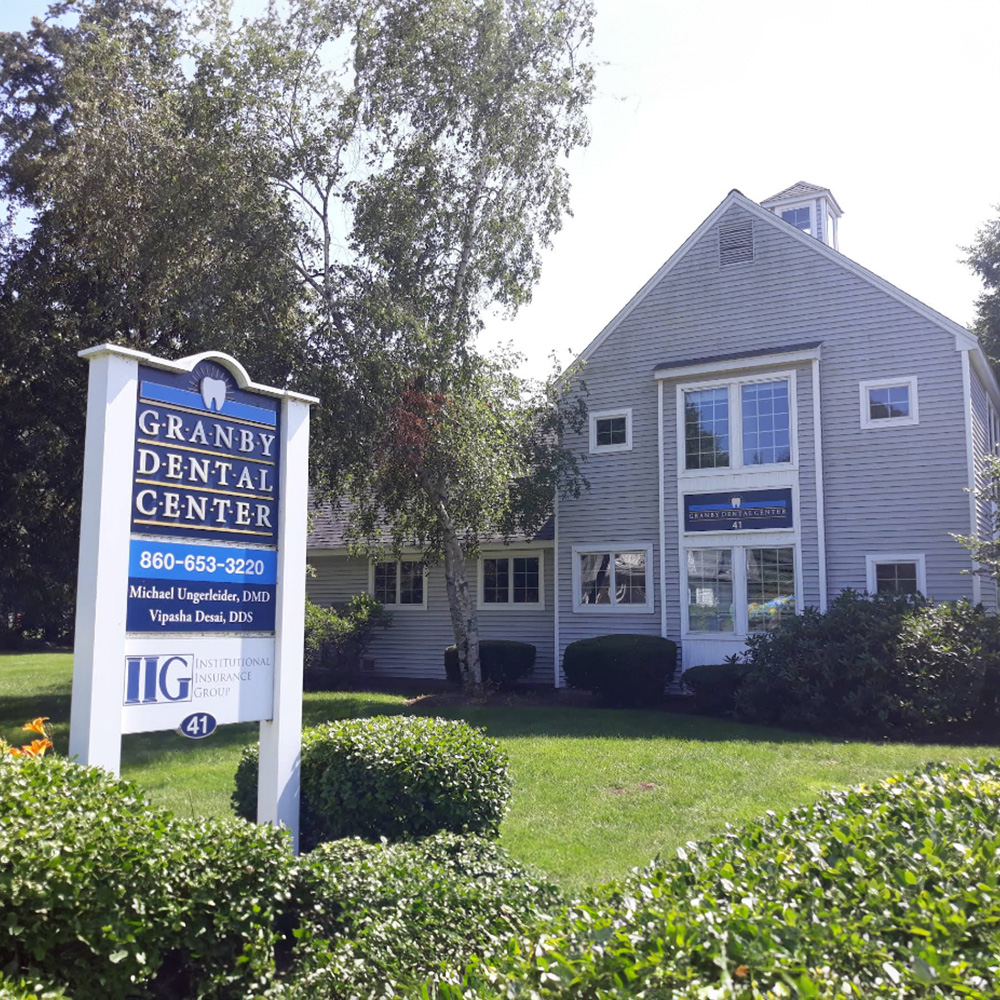
Scheduling your next visit to Granby Dental Center is quick and hassle-free. Whether you have a specific question about our services or just need to easily book a routine cleaning, our professional staff is here to provide clear answers and simple solutions.
We’ve made it easier than ever to get in touch: give us a call or use our quick online form. Don't put your oral health on the back burner, connect with us today and let us handle the details while you focus on your smile.