Orthodontics is the branch of dentistry focused on aligning teeth and jaws so they work well together and look balanced. Problems that bring people to an orthodontist range from crowded or gapped teeth to bites that don’t meet properly or jaws that grow out of sync. While some cases are purely cosmetic, many have real functional consequences — for example, difficulty chewing, speech issues, or a higher risk of wear and dental disease.
Treatment isn’t limited to moving individual teeth. In cases where the upper and lower jaws are mismatched, orthodontic care may include appliances or coordinated treatment with other dental specialists to correct skeletal relationships. Early recognition and planning can make those interventions more predictable and less invasive when growth can be used to the patient’s advantage.
Modern orthodontics balances aesthetics with health. A well-planned course of care should improve how your bite functions, make daily oral hygiene more effective, and reduce long-term stress on teeth and joints. Good alignment supports not only a confident smile but also the long-term stability of teeth and supporting structures.
Whether someone is considering treatment for an adolescent growth issue, correcting a bite that developed over time, or restoring function after tooth loss, the goal remains consistent: create a stable, comfortable, and maintainable result that fits each person’s life and priorities.
Teeth that meet and align properly do more than look attractive — they help preserve dental health. Crowded or crooked teeth create areas that are harder to clean, increasing the risk of decay and gum inflammation. Over time, improperly aligned teeth can wear unevenly, chip, or place excess pressure on the jaw joints and surrounding muscles.
When teeth are positioned correctly, the lips and cheeks protect them more effectively, reducing the chance of accidental trauma. Proper alignment also supports efficient chewing and clearer speech, which contributes to daily comfort and confidence. These functional benefits often translate into fewer restorative needs down the line.
Easier oral hygiene — straight teeth reduce tight spots where plaque can accumulate and make brushing and flossing more effective.
Reduced risk of trauma — teeth that sit correctly within the lips and cheeks are less exposed to accidental injury.
Improved function — a good bite helps with biting, chewing, and speaking without strain or compensatory muscle activity.
Less abnormal wear — even contact between teeth prevents localized erosion that can lead to sensitivity and structural damage.
Support for joint health — a balanced bite can reduce strain on the temporomandibular joints and lower the chance of related discomfort.
Overall wellness — oral health and general health are connected, and a functional bite contributes to a better quality of life.

An initial evaluation considers alignment, jaw relationships, bite function, and the health of teeth and gums. Digital imaging and intraoral scans help clinicians visualize how teeth and jaws interact and allow for clearer explanations of treatment goals. For children, monitoring growth and the timing of permanent teeth is a key part of deciding when to begin intervention.
For adults, assessment also includes the long-term condition of restorations, previous extractions, gum support, and any signs of wear or joint issues that could influence the sequence and type of care. A careful evaluation ensures that orthodontic movement is both safe and predictable.
Orthodontic movement relies on controlled, gentle forces that encourage teeth to shift through bone in a healthy way. Appliances channel those forces precisely; brackets and wires, removable aligners, and other devices are all tools for guiding teeth to their intended positions. The underlying biological process is the same, but advances in materials and planning tools have improved comfort, predictability, and aesthetics.
Today’s fixed braces are smaller and more comfortable than those used decades ago, while clear aligner systems provide a removable and discreet alternative for many cases. Other specialized tools — like temporary anchorage devices (TADs) or auxiliary appliances — allow clinicians to address complex movements with greater control when needed.
Digital scanning and 3-D planning enable more predictable tooth movements and fewer surprises during treatment.
Smaller or tooth-colored brackets and low-profile wires make fixed treatment more comfortable and less noticeable.
Clear aligners provide a removable option that simplifies hygiene and daily life for many patients.
Specialized devices — including lingual braces, self-ligating systems, and TADs — expand treatment options for specific clinical needs.

Clear aligner therapy has become a mainstream choice because it combines discretion, comfort, and convenience. Aligners are custom-made trays that apply gentle, staged pressure to move teeth. Because they are removable, patients can maintain normal brushing and flossing habits and enjoy eating without appliance restrictions.
Although aligners are an excellent solution for many alignment concerns, they are not universally ideal for every case. Complex bite corrections, certain vertical movements, or severe crowding may require fixed appliances or a hybrid approach. A thorough clinical assessment determines whether aligners will meet the patient’s functional and aesthetic goals.
For patients who want less-visible fixed treatment, options such as ceramic brackets or lingual braces remain effective alternatives. Each approach has trade-offs in terms of visibility, hygiene, and the types of movements it accomplishes best. The treatment plan should match the patient’s priorities and the clinical demands of the case.
At Granby Dental Center, our team stays current with these options so we can recommend the approach that best balances efficiency, comfort, and outcome stability for each individual.
Timing is an important consideration in orthodontics. Many children benefit from an early evaluation so clinicians can spot issues that might be easier to correct while growth is still occurring. Interceptive measures — such as space management or habit correction — can simplify later comprehensive treatment or prevent larger problems from developing.
Most comprehensive adolescent treatment begins when most permanent teeth have erupted, but individualized timing depends on the specific development pattern. When early intervention is indicated, the objective is often to guide growth and preserve space so future alignment is more straightforward.
Adult patients increasingly seek orthodontic care for both health and cosmetic reasons. While adults can achieve excellent results, their treatment plans must account for existing restorations, gum health, and any bone changes. Coordinating care with general dentistry and periodontics helps ensure a healthy foundation for tooth movement.

Removing appliances is a milestone, but it’s not the end of orthodontic care. Teeth naturally tend to shift toward their original positions, and the oral environment continues to change with age. Retainers help stabilize tooth positions while the supporting tissues reorganize and adapt to the new alignment.
There are several retainer styles — removable and fixed — and the choice depends on the initial correction, patient habits, and long-term goals. Most clinicians recommend some form of retention for a significant period after treatment, with periodic checkups to ensure that alignment remains stable.
Long-term success also depends on maintaining gum health and avoiding habits that can apply unbalanced forces to teeth. Regular dental care and mindful oral habits help protect the investment of orthodontic treatment and preserve both function and appearance over time.
With appropriate retention and routine follow-up, the improvements achieved through orthodontics can last for many years and often a lifetime.
In summary, orthodontic care brings together function, health, and aesthetics. Modern options allow tailored plans for children and adults, focused on efficient, comfortable, and stable results. If you’d like to learn more about orthodontic possibilities or whether treatment is right for you, please contact us for more information.
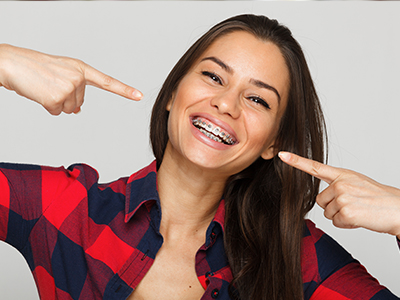

Orthodontics is the dental specialty that focuses on diagnosing, preventing and correcting malocclusions — the way teeth and jaws fit together. Treatment can address crowded or spaced teeth, bite problems and jaw alignment issues that affect chewing, speech and long-term tooth health. Patients of all ages may benefit, from children whose growth can be guided to adults seeking improved function and stability.
A personalized evaluation determines whether orthodontic care is appropriate and which approach will best meet a patient’s goals. The practice aims to balance aesthetic improvements with functional health, prioritizing predictable, maintainable outcomes. When indicated, orthodontic treatment is often coordinated with other dental specialties to ensure a comprehensive plan.
Professional guidelines commonly recommend an initial orthodontic screening by age 7 to identify developing problems that may benefit from early monitoring or interceptive treatment. At this stage, clinicians can assess jaw relationships, space for erupting permanent teeth and habits such as thumb sucking that could influence development. Early evaluation does not always lead to immediate treatment but helps determine the optimal timing for intervention.
When growth can be used to correct or minimize skeletal imbalances, early measures may reduce the need for more invasive procedures later. For many children, simple appliances or habit-management strategies can simplify subsequent comprehensive care. Regular follow-up allows the team to initiate active treatment at the most predictable and efficient point in development.
Contemporary orthodontics offers fixed appliances like metal or ceramic braces and removable options such as clear aligners, each suited to different clinical needs. Fixed braces are versatile for complex movements, while clear aligners provide a discrete, removable alternative for many alignment issues. Additional tools, including temporary anchorage devices and specialized auxiliaries, allow clinicians to address specific mechanical challenges with greater precision.
The selection of an appliance depends on the nature of the malocclusion, the patient’s preferences and any restorative or periodontal considerations. Treatment may be delivered alone or as part of a multidisciplinary plan that includes restorative dentistry, oral surgery or periodontal care. A careful diagnostic process ensures the chosen modality supports safe, efficient tooth movement and long-term stability.
Clear aligners move teeth using a series of custom-made, removable trays that apply gentle, staged forces to teeth, while traditional braces use brackets and wires fixed to the teeth for continuous control. Aligners are often preferred for their discretion and ease of maintaining oral hygiene because they can be removed for eating and cleaning. Braces remain the more predictable choice for certain complex movements, severe crowding or significant bite corrections.
Not every case is suitable for aligner therapy, and some treatments may combine aligners with fixed appliances or auxiliaries to achieve desired results. The clinical assessment evaluates tooth movement requirements, periodontal support and existing dental work to determine the most effective approach. Patient compliance, especially with removable options, is an important factor in achieving planned outcomes.
An effective treatment plan begins with a comprehensive evaluation of dental and skeletal relationships, including intraoral exams, digital scans and radiographic imaging when indicated. These records help the clinician visualize current alignment, simulate tooth movement and define realistic objectives that address both function and appearance. The plan also considers timing, coordination with other dental care and strategies to preserve periodontal health and restorations.
Shared decision-making helps align clinical recommendations with the patient’s priorities and daily life demands. The proposed sequence outlines appliance selection, estimated duration of active movement and retention strategies to stabilize results. Periodic reviews during treatment allow the team to refine mechanics and ensure movements remain safe and predictable.
Digital scanning, 3-D imaging and computer-aided treatment planning have substantially increased the predictability of tooth movements and improved communication between clinician and patient. These tools allow for customized appliance fabrication, precise staging of movements and simulation of expected outcomes. Advances in materials have also produced lower-profile brackets, heat-activated wires and improved aligner materials that enhance comfort and reduce treatment interruptions.
When indicated, temporary anchorage devices and specialized mechanics give clinicians more control over difficult movements without relying on patient cooperation alone. The combined use of digital planning and modern biomechanics often shortens treatment time and minimizes unwanted side effects. Technology supports clearer treatment expectations and more efficient monitoring of progress.
Adults can achieve excellent orthodontic results, but their treatment plans must account for factors that differ from adolescents, such as existing restorations, gum health and the degree of bone support. Periodontal evaluation and collaboration with a general dentist or periodontist are important to ensure a healthy foundation for tooth movement. Treatment mechanics may be modified to protect restorations and manage any asymmetries or wear patterns accumulated over time.
Timing and appliance selection also reflect adult priorities for aesthetics and convenience, which is why options like clear aligners or tooth-colored brackets are commonly discussed. Retention planning is particularly important for adults because long-standing tooth positions and periodontal conditions can influence relapse risk. A comprehensive approach focuses on functional improvement and durable results that fit the patient’s lifestyle.
Tooth movement is achieved by applying controlled, gentle forces that stimulate remodeling of the surrounding bone and supporting tissues. The periodontal ligament responds to pressure by signaling bone resorption on the pressure side and bone formation on the tension side, allowing the tooth to shift while maintaining periodontal health. Clinicians calibrate force levels and timing to avoid excessive stress that could harm roots or supporting bone.
Regular monitoring during treatment is essential to assess tissue response, check for signs of adverse effects and adjust mechanics as needed. Good oral hygiene and management of inflammation support safe movement by keeping tissues healthy. When complex movements are planned, adjunctive methods such as auxiliary appliances or temporary anchorage can provide targeted control while minimizing unintended side effects.
Retention refers to the phase after active tooth movement when appliances are removed and devices are used to hold teeth in their new positions while surrounding tissues adapt. Because teeth have a natural tendency to drift toward their original positions and because the oral environment changes with age, some form of retention is typically recommended for an extended period. Options include removable retainers and bonded fixed retainers, with the choice based on the type of correction and patient habits.
Retention protocols are individualized and may include nightly wear or periodic checkups to monitor stability. Adherence to retention instructions and ongoing dental care, including gum health maintenance, greatly increases the likelihood of lasting results. The clinical team will discuss a retention plan designed to protect the investment of orthodontic treatment and preserve function and aesthetics long term.
Properly aligned teeth are easier to clean, which reduces the risk of cavities and gum inflammation by minimizing areas where plaque can accumulate. A balanced bite distributes chewing forces evenly and can decrease abnormal wear, chipping and strain on the jaw joints and muscles. Correcting alignment often improves speech clarity and reduces the likelihood of accidental trauma to protruding teeth.
Orthodontic care is one component of a comprehensive approach to oral health that includes regular dental exams, periodontal care and appropriate restorative treatment. When orthodontics is coordinated with other dental services, it helps establish a stable, maintainable foundation for function and aesthetics. For more information about how orthodontics might fit into your overall dental plan, contact the office of Granby Dental Center to schedule an evaluation.
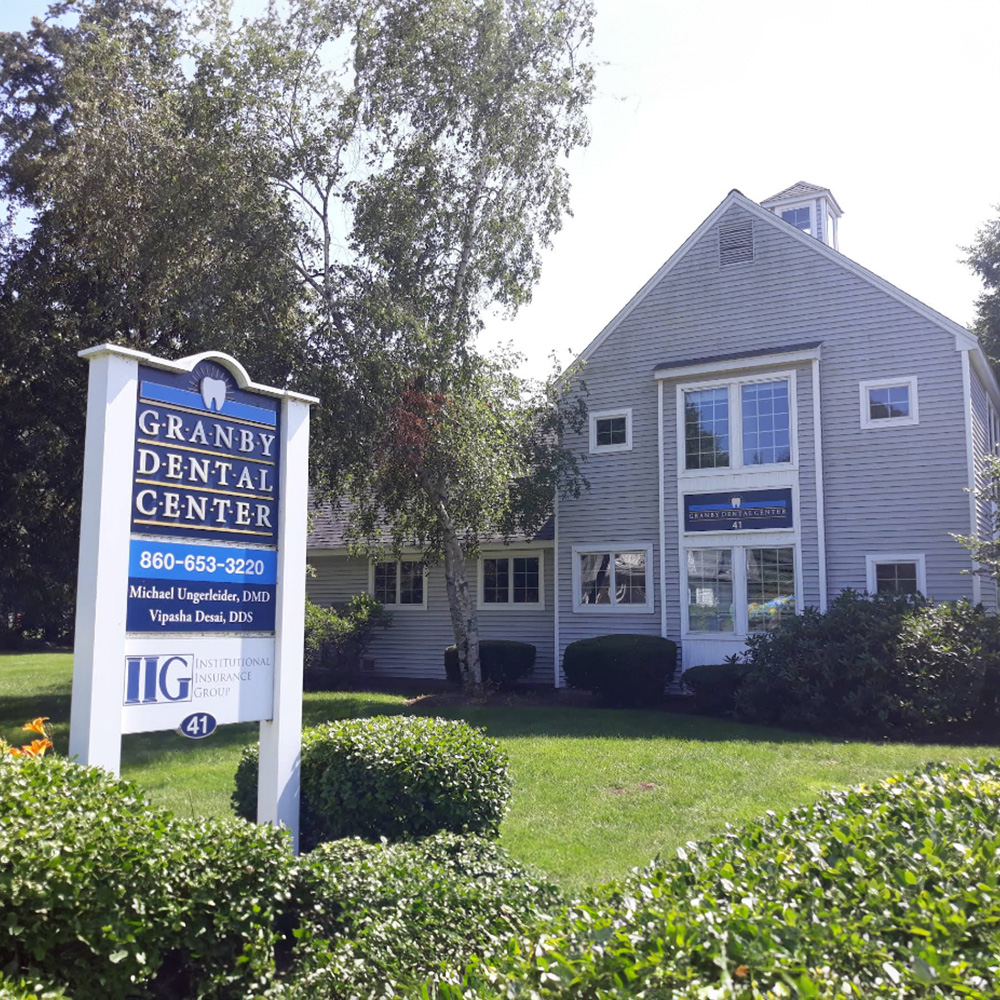
Scheduling your next visit to Granby Dental Center is quick and hassle-free. Whether you have a specific question about our services or just need to easily book a routine cleaning, our professional staff is here to provide clear answers and simple solutions.
We’ve made it easier than ever to get in touch: give us a call or use our quick online form. Don't put your oral health on the back burner, connect with us today and let us handle the details while you focus on your smile.