Oral cancer screening is a routine but vital part of comprehensive dental care. Regular exams give dental professionals a chance to spot early changes in the mouth and surrounding tissues—changes that are often easier to treat when identified promptly. For patients, understanding what a screening involves and why it matters can make the difference between early, curable disease and a later-stage diagnosis that requires more complex treatment.
Detecting abnormal tissue at an early stage dramatically increases the range of effective treatment options and tends to improve long-term outcomes. Lesions found while they are small and localized are more likely to be treated successfully, and follow-up monitoring can catch recurrence or new problems before they advance. This reality is why oral cancer screening is incorporated into routine dental exams rather than reserved for when symptoms appear.
Survival statistics across many cancers consistently demonstrate the benefit of early diagnosis, and oral cancers are no exception. Advances in imaging, pathology, and interdisciplinary care have improved prognosis for many patients, but those advantages rely on identifying suspicious changes early. Regular dental visits create the best opportunity to do that.
In recent years, the profile of risk for certain oral and oropharyngeal cancers has shifted. While tobacco and alcohol remain important contributors, human papillomavirus (HPV) is now a significant factor in the rise of some oropharyngeal cancers. That evolution underscores why screening and patient education remain central to preventive dental care.
Oral cancer screening is appropriate for virtually all adults as part of routine dental checkups, but certain groups should be particularly vigilant. Patients who smoke or use smokeless tobacco, consume alcohol heavily, or have a history of significant sun exposure to the lips are at higher risk. Men over age 50 have traditionally been identified as a higher-risk group, though age is not the sole determinant of risk.
In addition to lifestyle-related risks, some medical factors can increase susceptibility. A history of head and neck radiation, chronic acid reflux, exposure to certain industrial chemicals, and nutritional deficiencies are examples of contributors to increased risk. Increasing rates of HPV-related oropharyngeal disease also mean that sexually active adults may face risks unrelated to tobacco or alcohol.
Because risk is multifactorial, screening is usually recommended as a universal precaution during periodic dental visits rather than being limited to patients with obvious risk factors. Routine exams create a consistent opportunity to document the oral baseline and notice any changes over time.
A screening typically begins with a review of the patient’s medical and dental history, during which the clinician will ask about changes in taste, swallowing, persistent sore throat, oral pain, or unexplained lumps. This conversation provides context and helps the dental team identify potential red flags that merit closer inspection.
The clinical part of the screening involves a careful visual and tactile inspection of the mouth, lips, tongue (including the sides and undersurface), cheeks, floor of the mouth, hard and soft palate, tonsillar region, and surrounding neck. Dentists or hygienists look for discoloration, persistent ulcers, white or red patches, lumps, areas of thickened tissue, or anything that feels unusual when palpated.
When something suspicious is found, the clinician may use adjunctive tools—specialized lights, vital staining, or an oral brush sampling—to help determine whether further investigation is needed. If the findings warrant it, the patient will be referred for diagnostic testing such as a biopsy and may be connected with an appropriate medical specialist for follow-up care.
Not all early oral cancers cause pain, which is why visual and hands-on checks are so important. Patients should still be aware of symptoms that merit prompt evaluation: a sore or ulcer that does not heal within two weeks, persistent red or white patches, unexplained bleeding, numbness or loss of sensation in parts of the mouth, and any new lump or thickening in the cheek or neck.
Other signs can include difficulty chewing or swallowing, a change in voice or persistent hoarseness, sudden loosening of teeth without an apparent dental cause, and unexplained ear pain. While any single symptom may have benign causes, persistence or progression of symptoms should trigger a professional assessment.
Open communication with your dental team is important. If you notice changes between scheduled appointments—new sores, persistent soreness, or anything else out of the ordinary—call your dental office promptly so the issue can be evaluated without delay.
Many risk factors for oral cancer are modifiable. Stopping tobacco use and reducing alcohol consumption are among the most impactful steps a person can take to lower risk. Protecting the lips from excessive ultraviolet exposure and maintaining good nutrition and oral hygiene also contribute to overall oral health and cancer risk reduction.
HPV vaccination is another preventive tool that has relevance for reducing the risk of certain oropharyngeal cancers; patients should discuss vaccination with their medical providers when appropriate. Preventive counseling and support for lifestyle changes are standard parts of modern dental care and can be coordinated between dental and medical teams.
If a screening identifies an area of concern, follow-up pathways are individualized. Some findings call for short-term monitoring with repeated exams, while others require biopsy and referral to specialists such as oral surgeons, ENT physicians, or oncologists. Clear communication, timely referrals, and coordinated care help ensure each patient receives the appropriate next steps tailored to their situation.
Regular oral cancer screening is a straightforward, noninvasive safeguard that supports early detection and better outcomes. At Granby Dental Center, our team includes screening as part of comprehensive exams and will explain findings and next steps clearly and compassionately. If you have questions about what a screening entails or would like to discuss personalized risk factors, please contact us for more information.


Oral cancer screening is a systematic clinical check performed during routine dental visits to look for early signs of malignancy in the mouth and surrounding tissues. The process combines a concise medical and dental history review with a focused visual and tactile examination of the lips, tongue, cheeks, floor and roof of the mouth, and neck. Screenings are noninvasive and intended to establish a baseline and to detect changes that warrant closer evaluation.
Early identification of suspicious lesions allows for timely diagnostic testing and intervention when needed. Because many early lesions are painless, these checks provide an important opportunity to find abnormalities before symptoms develop. Regular screening is considered a standard component of comprehensive oral health care.
Detecting abnormal tissue at an early stage expands treatment options and generally improves long-term outcomes for patients. Small, localized lesions are more likely to be treated successfully and monitored for recurrence with less invasive approaches. Early detection also reduces the likelihood of advanced disease that requires complex multidisciplinary management.
Advances in imaging, pathology, and coordinated care have improved prognoses for many patients, but those benefits depend on finding suspicious changes early. Routine dental visits are often the first place such changes are noticed, which is why screening is incorporated into standard examinations.
Oral cancer screening is appropriate for virtually all adults as part of routine dental checkups, and it is particularly important for people with known risk factors. Those who use tobacco, consume alcohol heavily, have significant sun exposure to the lips, or have a history of head and neck radiation should be especially vigilant. Increasing rates of HPV-related oropharyngeal disease also mean sexually active adults should discuss screening and vaccination with their healthcare providers.
Medical conditions such as chronic acid reflux, certain occupational exposures, nutritional deficiencies, and immune suppression can also raise risk. Because risk is multifactorial and sometimes subtle, clinicians typically perform screening universally during periodic exams rather than limiting it to patients with obvious risks.
A typical screening begins with a review of your medical and dental history and questions about symptoms such as difficulty swallowing, persistent sore throat, unexplained lumps, or changes in taste. The clinician then performs a careful visual inspection and palpation of the mouth, lips, tongue (including the sides and undersurface), cheeks, palate, tonsillar area, and neck. Providers look for color changes, ulcers, patches, thickening, lumps, or tissue that feels unusual to the touch.
If something unusual is found, the clinician may use adjunctive tools like specialized lighting, vital staining, or an oral brush sampling to assist in evaluating the area. These tools help determine whether further diagnostic steps such as biopsy or referral to a specialist are appropriate. Your dental team will explain findings and recommended next steps clearly and compassionately.
Adjunctive screening aids can include special illumination devices, tissue-staining agents, and cytology brushes that collect cells for laboratory assessment. These tools are intended to supplement, not replace, a thorough clinical exam and help clinicians decide whether a lesion requires biopsy or specialist evaluation. They can increase confidence when clinicians assess subtle or ambiguous findings.
A definitive diagnosis generally requires tissue diagnosis via biopsy when clinically indicated, and results are interpreted by pathology specialists. When a biopsy or advanced imaging is needed, the dental team will arrange timely referral to an oral surgeon, ENT physician, or other appropriate specialist to ensure coordinated care.
Patients should seek prompt assessment for a sore or ulcer that does not heal within two weeks, persistent red or white patches, unexplained bleeding, and any new lump or thickening in the cheek or neck. Numbness, loss of sensation, sudden loosening of teeth without dental cause, and unexplained ear pain are additional symptoms that merit evaluation. While individual symptoms can have benign causes, persistence or progression is the key concern.
Other warning signs include difficulty chewing or swallowing, persistent hoarseness or changes in voice, and unexplained weight loss linked to oral symptoms. Open communication with your dental team is important; report new or changing symptoms between scheduled visits so they can be evaluated promptly.
Many risk factors for oral cancer are modifiable and reducing exposure can lower overall risk. Stopping tobacco use, limiting alcohol consumption, protecting the lips from excessive ultraviolet exposure, and maintaining balanced nutrition and good oral hygiene are effective preventive measures. Regular dental care that includes screening and preventive counseling supports early detection and risk reduction.
HPV vaccination is an important preventive tool against certain oropharyngeal cancers and should be discussed with a medical provider when appropriate. Behavioral counseling, vaccination where indicated, and coordination between dental and medical teams create a comprehensive approach to reducing individual risk.
Follow-up pathways are individualized based on the nature of the finding; some lesions are monitored with short-term rechecks while others require biopsy and faster referral. The dental clinician will explain the recommended timeline and rationale, prioritize timely diagnostic steps, and help coordinate any specialist consultations that are needed. Clear documentation of findings and next steps helps ensure continuity of care across providers.
When specialist evaluation or treatment is indicated, the dental team will facilitate referrals and share relevant clinical information to support coordinated care. At Granby Dental Center, providers emphasize transparent communication and timely coordination to help patients navigate the diagnostic and treatment process with confidence.
Oral cancer screening is effective at identifying visible and palpable abnormalities in the oral cavity, but some HPV-related oropharyngeal cancers originate deeper in the throat and may not be detected by a routine oral exam alone. A thorough history and attention to symptoms such as persistent sore throat, difficulty swallowing, or voice changes can raise suspicion and prompt further evaluation. Clinicians consider individual risk factors, including HPV exposure, when deciding on additional testing or referrals.
HPV testing of oral lesions is not routinely performed during standard dental screenings, and vaccination remains the primary preventive strategy for reducing HPV-related cancer risk. Patients with persistent symptoms or evolving risk concerns should be evaluated by appropriate medical specialists for further diagnostic workup.
Preparation for a screening is minimal but helpful: bring an up-to-date medical history, a list of medications, and be prepared to report new or persistent symptoms. Alert the dental team to any prior head and neck radiation, tobacco or alcohol use, or other risk factors so the screening can be tailored to your needs. No special fasting or preparation is required for the clinical exam itself.
If results are normal, the clinician will document a baseline and recommend routine rechecks according to your individual risk profile. If an area of concern is identified, the team will outline the next steps, which may include short-term monitoring, adjunctive testing, biopsy, or referral to a specialist for definitive diagnosis and management, and will explain the rationale for each recommendation. Granby Dental Center seeks to ensure patients understand findings and feel supported throughout follow-up.
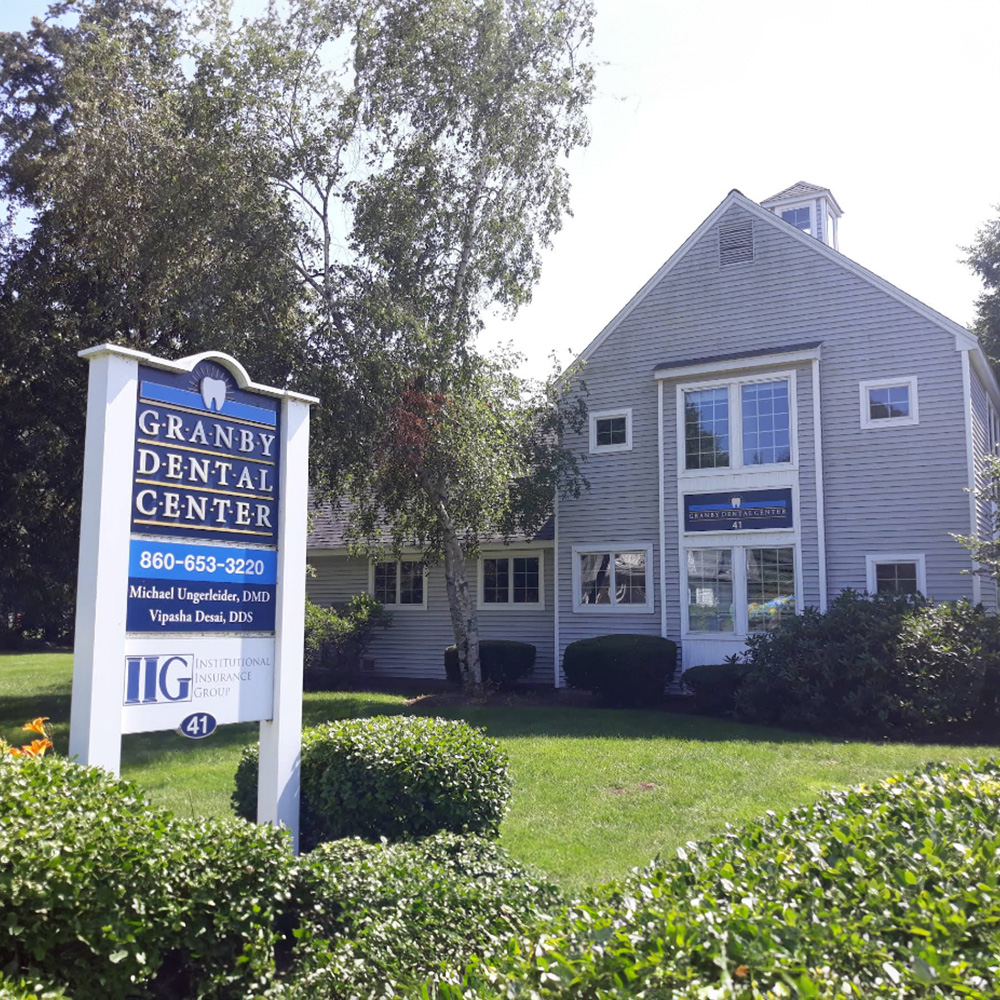
Scheduling your next visit to Granby Dental Center is quick and hassle-free. Whether you have a specific question about our services or just need to easily book a routine cleaning, our professional staff is here to provide clear answers and simple solutions.
We’ve made it easier than ever to get in touch: give us a call or use our quick online form. Don't put your oral health on the back burner, connect with us today and let us handle the details while you focus on your smile.