Bruxism — the medical term for jaw clenching and teeth grinding — often happens without conscious awareness, especially during sleep. Patients commonly report waking with a sore jaw, morning headaches, or teeth that feel sensitive or loose. These symptoms arise because repeated grinding places sustained pressure on the muscles, joints, and tooth surfaces over time.
The causes are usually multifactorial. Psychological stress and anxiety are frequent contributors, but sleep disorders, an unusual bite, missing or misaligned teeth, and certain lifestyle factors can also play a role. Identifying the likely triggers is an important first step for reducing frequency and severity.
Because bruxism can affect both dental health and overall comfort, early recognition matters. Left unchecked, persistent grinding can lead to chipped enamel, accelerated wear, and strain on the temporomandibular joint (TMJ). Addressing symptoms promptly helps protect your teeth and improves quality of sleep.
A night guard is a simple yet effective oral appliance worn during sleep to separate the upper and lower teeth. By creating a protective barrier, the guard prevents direct tooth-to-tooth contact and disperses the forces created by clenching and grinding. This reduces the risk of fractures, worn enamel, and bite changes.
Beyond structural protection, the appliance can also relieve muscular tension. When the jaws are held in a more relaxed position, jaw muscles experience less strain, which often translates into fewer morning aches and reduced headache frequency. For many patients, this combination of protection and muscle relief is enough to improve daily comfort.
Night guards are available in different designs and materials, each suited to particular patterns of bruxism and patient preferences. The most reliable results typically come from devices that are customized to an individual’s mouth, ensuring a secure fit and predictable performance throughout the night.
When a custom night guard is recommended, the process begins with a clinical evaluation to document wear patterns, jaw function, and any signs of TMJ stress. This examination helps determine whether a night guard is appropriate and what type will best meet the patient’s needs. Imaging or bite analysis may be included when necessary to clarify the underlying issues.
If a custom appliance is the right choice, impressions or digital scans of the teeth are taken to create an accurate model of the bite. These records are used to fabricate a tailored device that fits snugly and stays comfortable through the night. Custom fabrication minimizes movement, which reduces the chance of irritation and improves overall effectiveness.
After the night guard is made, a fitting appointment ensures the device seats properly and does not alter the way the teeth come together in a harmful way. Adjustments can be made to improve comfort and function. Follow-up visits allow clinicians to assess wear, make refinements, and confirm that symptoms are improving.
Wearing a properly fitted night guard offers immediate and cumulative benefits. In the short term, patients often notice decreased tooth sensitivity and fewer headaches upon waking. The appliance protects vulnerable tooth surfaces from the grinding forces that cause cracks and chips, preserving dental structure over time.
Longer-term advantages include reduced stress on the TMJ and less muscular fatigue, which can lead to improved daily comfort and better sleep quality for some wearers. By interrupting the cycle of nightly grinding, a night guard also helps maintain the alignment and integrity of existing dental work, such as crowns and veneers.
It’s important to set realistic expectations: a night guard is a protective and palliative device rather than a cure for all underlying causes. When combined with behavioral strategies, sleep hygiene, or targeted therapies recommended by your clinician, however, it becomes a key component of a comprehensive approach to managing bruxism.
Proper care extends the life of a night guard and keeps the appliance hygienic. Rinse the device after use, clean it daily with a nonabrasive toothbrush and mild soap or an appliance cleaner, and store it in a ventilated case when not in use. Avoid exposure to high heat and household cleaners that can warp or degrade the material.
Night guards will show signs of wear over time, and periodic professional review helps ensure continued protection. Schedule a check if the device becomes uncomfortable, if you notice new wear patterns on your teeth, or if symptoms return or change. These signs may indicate the need for repair or replacement, or that the original cause of bruxism is evolving.
Regular dental visits are the best way to monitor both your oral health and the condition of your night guard. Your clinician can recommend timing for replacement based on the appliance’s condition and your ongoing needs, helping you maintain protection without unnecessary gaps in care.
At Granby Dental Center, we aim to help patients manage bruxism with practical, evidence-based solutions, including professionally fitted night guards. If you’re experiencing jaw pain, morning headaches, or unexplained tooth sensitivity, a night guard may be a useful part of your care plan. Contact us for more information or to discuss whether a custom night guard is right for you.


A night guard is a removable oral appliance worn over the teeth during sleep to prevent direct tooth-to-tooth contact and to distribute the forces of grinding and clenching. By creating a protective barrier, the device reduces enamel wear, prevents fractures, and helps preserve dental restorations. Many patients also notice less muscular tension because the guard alters how the jaw muscles engage overnight.
Night guards do not cure the behavioral or medical drivers of bruxism, but they serve as an effective protective and palliative measure while underlying causes are addressed. Proper fit and material selection influence comfort and durability, so a device tailored to your bite usually performs better than one-size-fits-all options. Regular review by your dental team ensures the appliance remains effective as your oral condition changes.
Teeth grinding, or bruxism, is most often multifactorial: psychological stress and anxiety, sleep-disordered breathing, an abnormal bite, missing or misaligned teeth, and certain medications or habits can all contribute. Many people are unaware they grind at night until a partner reports the noise or they experience symptoms like morning jaw soreness, headaches, or increased tooth sensitivity. Identifying contributing factors is important because addressing them can reduce frequency and severity of episodes.
You should seek a dental evaluation if you notice persistent tooth wear, chips, loose teeth, or ongoing jaw pain and headaches. Early assessment allows your clinician to document wear patterns, check for TMJ strain, and recommend an appropriate plan that may include a night guard alongside other therapies. Timely care helps prevent progressive damage to tooth structure and restorations.
Night guards vary by material and design, including soft, dual-laminate, and hard acrylic options. Soft guards are more flexible and can be comfortable for mild clenching, while hard acrylic guards are more durable and better suited for heavy grinding and patients with significant tooth wear. Dual-laminate devices combine a soft inner layer for comfort with a firmer outer shell for protection, offering a balance between comfort and longevity.
The choice of design depends on the intensity of bruxism, the presence of dental restorations, and patient preference for comfort versus durability. A clinician-guided selection based on examination, wear patterns, and patient needs produces the most reliable results. Custom-made guards fabricated from impressions or digital scans generally fit more securely and work more predictably than generic boil-and-bite alternatives.
The custom night guard process begins with a clinical evaluation to document wear, assess jaw function, and identify any signs of TMJ stress or dental problems. Your provider will take impressions or digital scans of your upper and/or lower teeth to create an accurate model of the bite; these records are used by a dental laboratory to fabricate a device that fits snugly and minimizes unwanted movement overnight. A fitting appointment follows fabrication so the clinician can confirm seating, occlusion, and comfort, making minor adjustments as needed.
Expect a short adjustment period as you get used to sleeping with the appliance, and plan a follow-up visit so the clinician can assess fit and symptom improvement. If instructions are given for daily cleaning and case storage, following them closely helps maintain hygiene and device longevity. At Granby Dental Center we focus on making sure the appliance fits well and supports your overall treatment goals.
Many patients experience a reduction in muscle-related jaw pain and morning headaches after beginning consistent night guard use because the device decreases the intensity of clenching and redistributes forces away from stressed areas. By keeping the jaws in a slightly altered, more relaxed position, a guard can lessen muscular fatigue and reduce strain on the temporomandibular joint. This symptomatic relief often appears within days to weeks but varies between individuals.
It is important to recognize that a night guard addresses the mechanical effects of bruxism rather than all underlying contributors, so combining the appliance with stress management, sleep hygiene, or targeted medical therapies can produce better outcomes. If pain or headaches persist or worsen despite proper use, a follow-up evaluation is necessary to reassess the diagnosis and modify the treatment plan. Your clinician may investigate other causes or recommend adjunctive therapies if improvement is limited.
Rinse the night guard with cool water immediately after removal and clean it daily with a soft toothbrush and mild soap or an appliance cleaner to remove bacteria and debris. Avoid hot water, household cleaners, or abrasive toothpastes that can warp or scratch the material, and never place the device near direct heat sources. After cleaning, store the guard in a ventilated case to allow it to dry while protecting it from damage.
Periodically inspect the appliance for cracks, warping, or heavy wear and bring it to your dental appointment for professional review. If you become ill, follow your clinician's guidance on additional disinfection or temporary storage until the device can be safely used again. Consistent care extends the functional life of the guard and helps maintain oral health.
The lifespan of a night guard depends on the material, the severity of grinding, and how well it is cared for; some soft guards may last several months, while durable hard acrylic devices can last several years. Signs that a guard needs replacement include visible cracking, flattening or thinning of the material, persistent loosening during use, or a renewed increase in symptoms such as tooth sensitivity or jaw pain. Regular professional reviews help determine the right timing for repair or replacement based on objective wear patterns.
Do not continue using an appliance that is misshapen or significantly worn, as it may no longer distribute forces correctly and could contribute to new problems. If your bite changes due to dental work or tooth movement, a previously well-fitting appliance may also require refitting or replacement. Schedule an evaluation when you notice changes so the clinician can recommend the appropriate next steps.
Yes, night guards are often recommended for patients with crowns, veneers, or implants because these restorations can be vulnerable to the forces of grinding and clenching. A properly designed and fitted guard protects restorative work by absorbing and redistributing occlusal stress, reducing the risk of chipping, fracture, or loosening. The clinician will tailor the appliance to accommodate existing dental work and to avoid transmitting harmful forces to sensitive restorations.
When implants are present, careful attention to occlusal contacts and material choice is essential to avoid concentrating force on a single restoration. Your dental team will evaluate how the guard interacts with crowns and implants and may recommend adjustments or a specific design to optimize protection. Ongoing monitoring ensures the appliance continues to safeguard both natural teeth and restorations effectively.
Over-the-counter or boil-and-bite night guards can provide short-term protection and may be appropriate for mild, occasional clenching, but they generally offer a less predictable fit and lower long-term durability than custom-made appliances. Poor fit can lead to appliance movement, irritation, or inadequate force distribution, which reduces protective benefits and may even create new problems for the bite or soft tissues. Custom guards, made from impressions or digital scans, are fabricated to match your occlusion and typically perform more reliably for ongoing bruxism management.
If over-the-counter products are used, they should be considered a temporary option until a professional evaluation can determine whether a custom device is warranted. A clinician-driven approach identifies the most suitable material and design for the intensity of grinding, the health of your teeth, and any restorations you have. Personalized care reduces the risk of unintended consequences and maximizes protective benefit.
Signs that a night guard is working include decreased morning jaw soreness, fewer headaches, reduced tooth sensitivity, and slowed progression of visible wear on tooth surfaces. Improvements can occur within days to weeks, but measurable protection against enamel loss and restorative damage becomes more apparent over months of consistent use. Periodic examinations allow your dentist to compare wear patterns, assess the appliance, and verify that symptoms are improving as expected.
Follow up with your dentist if you experience new or worsening pain, if the device becomes uncomfortable or loose, or if you notice changes in how your teeth meet together. Regular dental visits provide an opportunity for professional cleaning, adjustment, or replacement when wear is evident. For ongoing management or if symptoms do not improve, contact Granby Dental Center to schedule a reassessment and update the treatment plan.
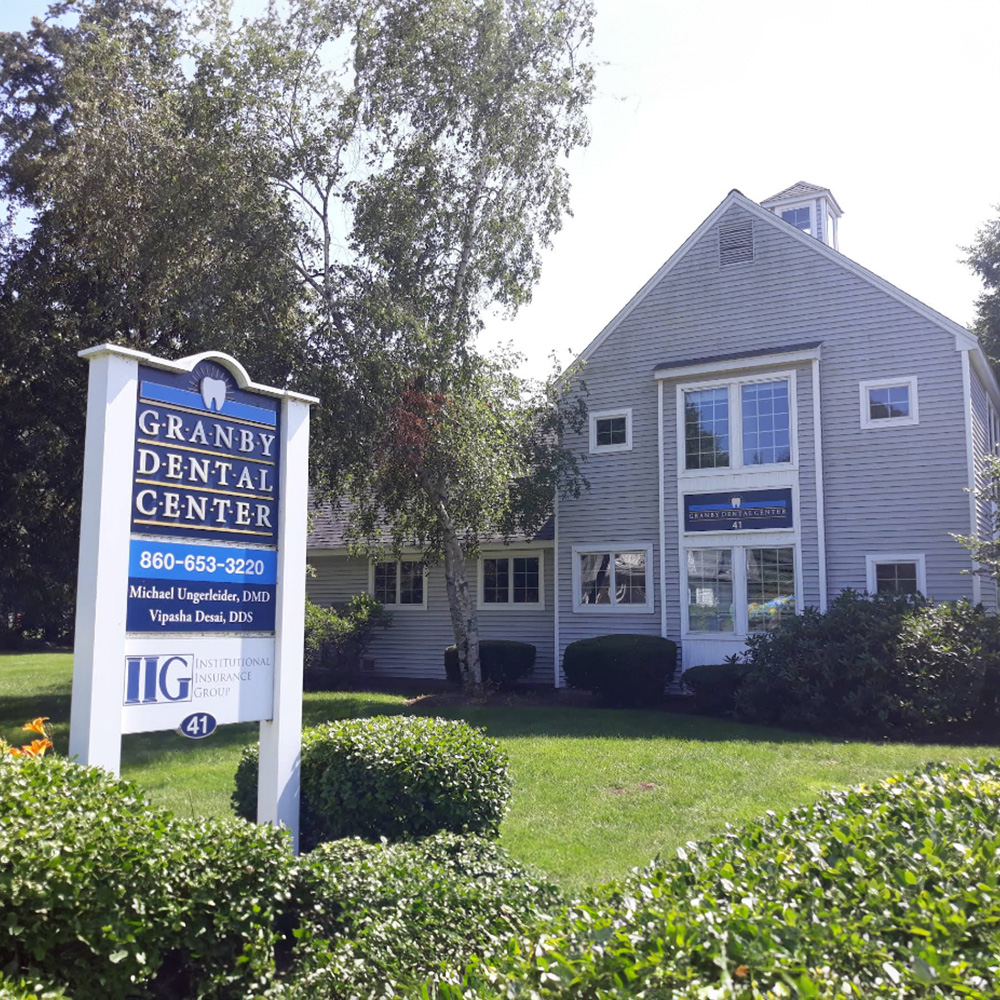
Scheduling your next visit to Granby Dental Center is quick and hassle-free. Whether you have a specific question about our services or just need to easily book a routine cleaning, our professional staff is here to provide clear answers and simple solutions.
We’ve made it easier than ever to get in touch: give us a call or use our quick online form. Don't put your oral health on the back burner, connect with us today and let us handle the details while you focus on your smile.