Lumineers® are an ultra-thin variety of porcelain veneer designed to cover the visible front surfaces of teeth. Unlike traditional veneers that often require significant reshaping of tooth structure, Lumineers® are fabricated from a proprietary, high-strength ceramic that can be bonded to the existing enamel with minimal alteration. The result is an esthetic layer that mimics the translucency and light-reflecting properties of natural teeth while improving color, shape, and surface texture.
Because they are thinner than many conventional veneers, Lumineers® can often be placed with reduced tooth preparation. In many cases there is little to no removal of healthy enamel and no need for temporary restorations while the final veneers are made. This conservative approach preserves more of the natural tooth and can make the overall treatment feel less invasive for patients who are concerned about irreversible changes.
The process relies on careful planning and precise bonding techniques to ensure a seamless fit. When properly designed and seated, Lumineers® blend with surrounding teeth to create a natural-looking smile enhancement that resists staining and wears similarly to high-quality porcelain restorations.
Lumineers® are a well-suited option for people seeking to address surface-level cosmetic concerns: discoloration that does not respond to whitening, small chips, uneven tooth length, or minor spacing issues. They are particularly attractive to patients who want to improve smile aesthetics without more aggressive restorative work. That said, the ideal candidate has reasonably healthy gums and teeth and realistic expectations about what veneers can achieve.
Severe misalignment, large structural decay, or substantial bite problems often require orthodontics or restorative care before cosmetic veneers are considered. An initial evaluation will determine whether Lumineers® alone can meet a patient’s goals or if a combined treatment plan—such as orthodontic alignment followed by veneers—would produce a stronger, longer-lasting outcome.
During your consultation, the clinician assesses tooth structure, gum health, and occlusion (how the teeth meet) to confirm candidacy. Clinical photos, impressions or digital scans, and a discussion of aesthetic preferences help the team design a veneer plan that complements each patient’s facial features and smile dynamics.
The treatment typically begins with a comprehensive consultation and smile design session. Your dental team will review photographs and scans, discuss shape and shade options, and may create a mockup or digital preview to help you visualize potential results. This collaborative step ensures the final restorations reflect your goals and the dentist’s clinical recommendations.
If Lumineers® are recommended, the next step usually involves precise impressions or digital scans of your teeth. Because the veneers are so thin, extensive tooth preparation is often unnecessary; in many cases the technician can fabricate the final pieces to sit comfortably on the existing enamel. The laboratory-crafted Lumineers® are custom-matched to the shade and contour preferences established during the design phase.
On the day of bonding, the dentist will confirm fit, shape, and shade, then clean and prepare the tooth surfaces before a specialized adhesive is applied. The bonding process is meticulous because marginal fit and cementation directly affect longevity and comfort. Because temporary veneers are often not required, many patients complete the process in fewer visits compared with traditional veneers.
Post-bonding checks ensure the bite is balanced and that the finished veneers feel comfortable during normal function. The office will provide care instructions and schedule routine follow-ups to monitor the restorations and surrounding tissues, helping to maintain both health and appearance.
Lumineers® are made from a durable porcelain that combines esthetic translucency with strong mechanical properties. Porcelain’s resistance to staining and its ability to replicate the optical qualities of natural enamel make it a preferred material for cosmetic restorations. Properly bonded and cared for, these veneers can provide long-term improvements to tooth appearance and surface integrity.
Daily maintenance is straightforward and aligns with standard oral hygiene: brush gently with a nonabrasive toothpaste, floss regularly, and keep routine dental cleanings and exams. Although the material is resilient, patients should avoid using their front teeth to open packages or bite into very hard objects, as direct trauma can damage any dental veneer.
For those who clench or grind their teeth, a protective nightguard is often recommended to minimize parafunctional forces that can accelerate wear or jeopardize bond strength. Regular professional checkups allow the dentist to assess margins, gingival health, and occlusion so any concerns can be addressed early.
While the primary aim of Lumineers® is to improve the visual appearance of teeth, there are practical benefits as well. By covering surface defects and smoothing irregular edges, veneers can reduce areas that trap plaque and make daily cleaning easier. In certain cases they can also help restore proper tooth contacts, which contributes to more predictable function during chewing.
The conservative nature of the Lumineers® approach preserves more of the natural tooth, making future restorative options easier to manage if needs change over time. Because the treatment is primarily additive rather than subtractive, subsequent repairs or replacements typically involve less disruption to the underlying tooth than more aggressive restorative techniques.
When planned as part of a comprehensive dental strategy—coordinated with periodontal care, occlusal evaluation, and any necessary restorative work—Lumineers® can be a predictable component of a long-term oral health plan. Clinicians focus on creating durable, harmonious results that address both form and function.
At the office of Granby Dental Center, our goal is to provide clear information and thoughtful planning for patients considering Lumineers®. If you’d like to learn more about whether Lumineers® are right for your smile, please contact us for additional details and to schedule a consultation. We can review options, outline next steps, and help you make an informed decision about your care.


Lumineers® are ultra-thin porcelain veneers designed to cover the visible front surfaces of teeth to improve color, shape, and surface texture. They are crafted from a high-strength ceramic that mimics the translucency and light-reflecting properties of natural enamel, allowing restorations to look lifelike. Because they are thinner than traditional veneers, Lumineers® can often be bonded with minimal alteration to the underlying tooth.
The procedure relies on precise planning, custom shade selection, and meticulous bonding techniques to achieve a seamless margin and natural integration with adjacent teeth. When properly seated, Lumineers® resist staining and deliver an esthetic result that performs similarly to other high-quality porcelain restorations. The overall goal is a conservative, long-lasting enhancement that preserves as much natural tooth as possible.
Good candidates are adults with reasonably healthy teeth and gums who want to address cosmetic concerns such as discoloration that does not respond to whitening, small chips, uneven tooth length, or minor spacing issues. Patients with severe misalignment, extensive decay, or major bite problems may require orthodontic or restorative treatment before veneers are recommended. Realistic expectations and a commitment to oral hygiene are important factors in candidacy.
During an evaluation, the clinician will assess tooth structure, gum health, and how your teeth meet to determine whether Lumineers® alone will meet your goals. Diagnostic photos, digital scans, and a discussion of aesthetic preferences help create a customized plan tailored to your facial features and smile dynamics. At Granby Dental Center the team emphasizes conservative care and clear communication when confirming candidacy.
The treatment pathway typically begins with a comprehensive consultation and smile design session that may include photographs, digital scans, and a preview or mockup of expected results. Because Lumineers® are very thin, extensive tooth preparation is often unnecessary, and temporary restorations are frequently not required. Custom impressions or scans are sent to a dental laboratory where the final veneers are fabricated to match the predetermined shade and contour.
When it is time for bonding, the dentist will verify fit, shape, and shade, then carefully prepare the enamel and apply a specialized adhesive to secure each veneer. The bonding step is meticulous because marginal fit and cementation directly affect longevity, function, and comfort. After placement, the clinician will check your bite, make any minor adjustments, and provide postoperative care instructions and follow-up scheduling.
With proper bonding and routine maintenance, Lumineers® can provide many years of reliable esthetics, though individual longevity depends on factors such as oral hygiene, bite forces, and overall dental health. The quality of the initial preparation and the accuracy of the laboratory fabrication and cementation play large roles in long-term success. Habitual behaviors like clenching, grinding, or using teeth to open packages increase the risk of chipping or debonding.
Patients who grind their teeth are often advised to wear a custom nightguard to protect veneers from parafunctional forces that accelerate wear. Regular dental checkups allow clinicians to monitor margins, gum health, and occlusion so minor issues can be addressed before they progress. Maintaining good oral hygiene and attending professional cleanings supports both the health of surrounding tissues and the longevity of the restorations.
Daily care for Lumineers® follows standard oral hygiene practices: brush gently with a nonabrasive toothpaste, floss carefully around the margins, and maintain regular dental cleanings and exams. Avoid using your front teeth to open packaging or bite into very hard objects, as direct trauma can damage any porcelain veneer. Smoking and heavy consumption of staining foods or beverages can affect adjacent natural teeth and overall esthetics, so moderation and preventive habits are advisable.
If you have a history of clenching or grinding, a custom nightguard can help protect veneers from excessive forces that compromise the bond or cause fractures. Notify your dental team if you notice any sensitivity, loose veneers, or changes in how your bite feels so these concerns can be evaluated promptly. Periodic professional assessments ensure margins remain healthy and that the restorations continue to function harmoniously with your bite.
Yes, Lumineers® can address minor spacing, small gaps, and modest misalignment by altering the visible shape and contour of teeth to create the appearance of a more uniform smile. They are best suited for cases where tooth position is relatively stable and only surface-level changes are needed to achieve the desired esthetic effect. Significant crowding or misalignment, however, is usually better managed with orthodontic treatment prior to veneer placement.
A careful diagnostic process, including photos and digital scans, helps determine whether veneers alone will produce a balanced, functional result or whether combined orthodontic and restorative treatment would be more appropriate. In many instances, a conservative approach that preserves enamel while improving contour and contacts yields predictable cosmetic outcomes. The clinician will explain the expected benefits and limitations during the consultation so you can make an informed choice.
The primary difference is thickness: Lumineers® are much thinner than many traditional porcelain veneers, which often allows them to be placed with minimal or no enamel reduction. Traditional veneers sometimes require more aggressive preparation and the use of temporary restorations while the final pieces are made, whereas Lumineers® are often an additive treatment that preserves more natural tooth structure. Both options use porcelain and can achieve highly esthetic results when planned and executed correctly.
Material selection, preparation method, and laboratory expertise all influence the final outcome, so choosing an experienced dentist and a skilled ceramist is important regardless of the veneer type. The decision between Lumineers® and conventional veneers depends on clinical factors such as existing tooth thickness, occlusion, and aesthetic goals. Your dentist will review these considerations and recommend the approach most likely to deliver a durable, natural-looking smile.
Because Lumineers® often require little to no enamel removal, they are considered more conservative than traditional veneers, and in some cases the process may be reversible if little alteration was performed. However, even minimal bonding can change the tooth surface and future treatment should be planned with the expectation that subsequent restorations may be needed over time. Preservation of enamel makes future options—such as replacement veneers or other restorative work—easier to manage if needs change.
Long-term planning is important: clinicians evaluate the current tooth condition and discuss potential future scenarios so patients understand how Lumineers® fit within an overall dental strategy. Good documentation, photographs, and records of shade and shape help streamline any future restorative care. Regular monitoring ensures that any necessary adjustments or replacements can be performed with minimal disruption.
As with any restorative treatment, Lumineers® carry potential risks such as sensitivity, marginal staining if oral hygiene is poor, debonding, or chipping under excessive force. They are not a universal solution for every cosmetic concern, and limitations exist when addressing severe malocclusion, significant structural decay, or extensive tooth loss. Proper case selection and thorough diagnostic work reduce the likelihood of complications and help set realistic expectations.
Managing occlusion, treating underlying periodontal or restorative problems, and addressing parafunctional habits are all part of reducing risk and improving long-term outcomes. Your dental team will explain any clinical factors that might limit the effectiveness of veneers and will recommend complementary treatments when necessary. Ongoing maintenance and professional care are essential to identify and correct minor issues before they become major problems.
Lumineers® can be an integral part of a comprehensive oral health plan when coordinated with periodontal care, occlusal evaluation, and any required restorative work to ensure both form and function are addressed. Because the approach is often conservative, it preserves tooth structure and can make future restorative choices more flexible. The clinician will develop a personalized plan that aligns cosmetic goals with long-term health priorities.
At Granby Dental Center we emphasize collaborative planning, clear communication, and regular follow-up to monitor the condition of restorations and surrounding tissues. Periodic evaluations and preventive care help maintain the esthetic result while identifying maintenance needs early. This coordinated approach supports predictable outcomes and helps veneers remain a stable component of a patient’s long-term dental strategy.
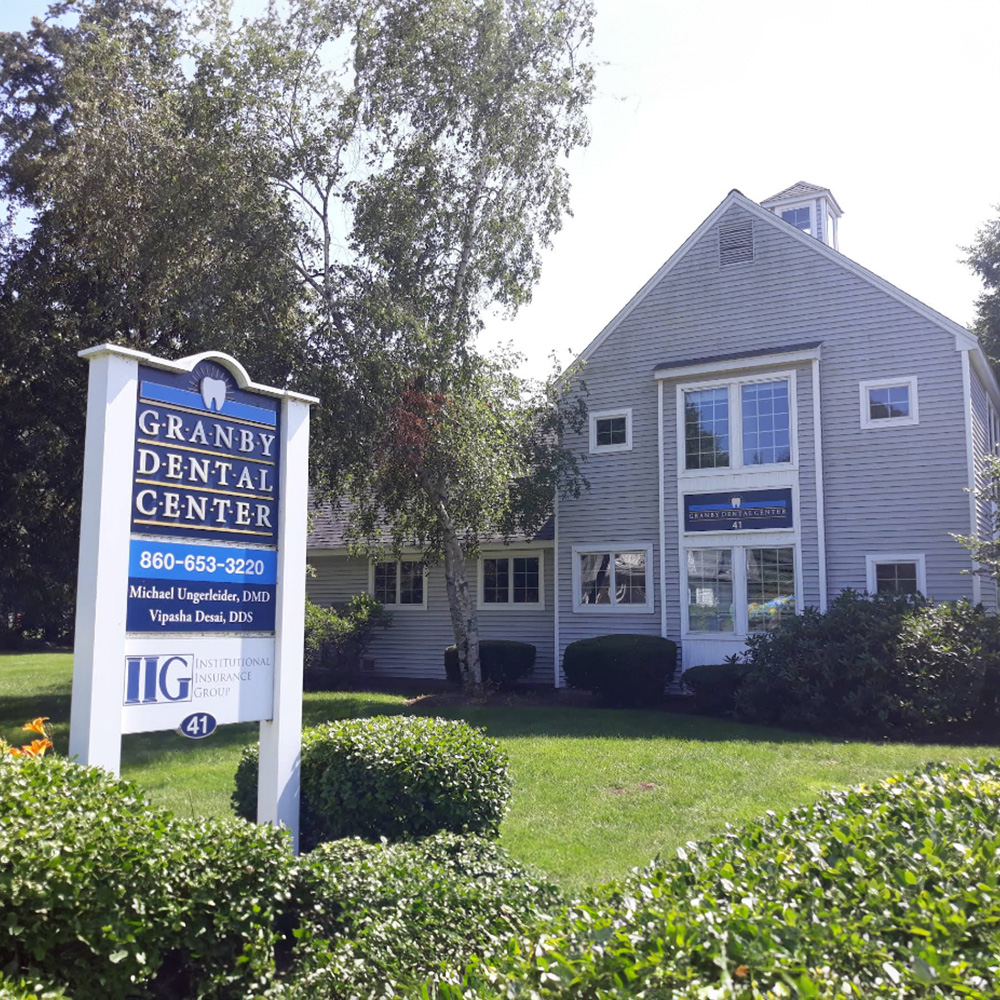
Scheduling your next visit to Granby Dental Center is quick and hassle-free. Whether you have a specific question about our services or just need to easily book a routine cleaning, our professional staff is here to provide clear answers and simple solutions.
We’ve made it easier than ever to get in touch: give us a call or use our quick online form. Don't put your oral health on the back burner, connect with us today and let us handle the details while you focus on your smile.