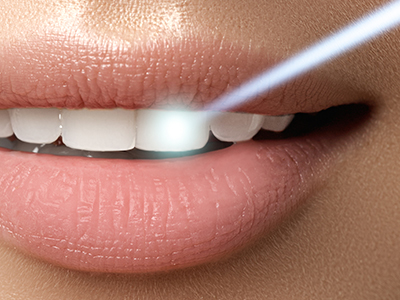
Laser dentistry uses focused beams of light to target specific tissues in the mouth with a level of precision that traditional instruments can’t always match. Different wavelengths are chosen to interact preferentially with either soft tissues (like gums and mucosa) or hard tissues (like enamel and dentin). By adjusting power settings and delivery methods, clinicians can tailor the effect—cutting, vaporizing, or coagulating—while leaving surrounding healthy structures largely unaffected.
At its core, the process depends on how light energy is absorbed by water, pigments, and minerals in the target tissue. When the laser energy is absorbed, it causes controlled heating and molecular disruption that accomplishes the clinical objective—whether that’s reshaping gum tissue or removing decayed material from a tooth. Because the action is localized, many procedures can be performed more conservatively than with conventional rotary instruments.
Lasers are not a single tool but a family of devices, each with strengths and limitations. Some are optimized for soft-tissue procedures and provide excellent hemostasis (blood control), while others are designed for modifying hard tissues or activating bleaching agents. Understanding these differences helps clinicians select the right device and approach for each patient and each treatment goal.
Dental lasers have found a place in a wide range of services. In periodontal therapy they can remove diseased tissue and reduce bacterial load along the gumline. For restorative dentistry, certain lasers assist in preparing cavities and in curing (hardening) composite filling materials. Lasers are also routinely used to perform minor oral surgery tasks such as removing soft-tissue lesions, performing biopsies in a controlled manner, or reshaping a gummy smile.
In cosmetic treatments, lasers can help activate in-office whitening systems for more efficient results, and they are sometimes used to smooth gingival contours after restorative or prosthetic work. Endodontic applications and some root canal procedures may also incorporate laser technologies to disinfect canals or remove debris, although these techniques are typically used in combination with established methods rather than as standalone solutions.
It’s important to note that while lasers can enhance many procedures, they are not universal replacements for traditional tools. Certain complex restorations, extensive tooth preparations, or procedures requiring mechanical removal of large amounts of tooth structure still rely primarily on burs and hand instruments. A thoughtful, case-by-case approach ensures lasers are used where they provide the greatest clinical benefit.
One of the most noticeable benefits patients report is enhanced comfort during and after laser treatments. Because lasers often require little or no direct contact with the tissue and can work without mechanical vibration, many patients experience less procedural discomfort. In some cases this reduces or eliminates the need for local anesthesia, which can be particularly valuable for patients with dental anxiety or those who prefer a gentler experience.
Lasers also promote better soft-tissue healing by minimizing bleeding and swelling. The coagulative effects of certain wavelengths seal small blood vessels as they cut, producing a clearer surgical field and often a quicker recovery. Reduced postoperative inflammation can translate to less soreness and a faster return to normal activities compared with comparable procedures done with traditional instruments.
Precision is another comfort-related advantage. Because lasers can remove diseased tissue while sparing healthy structures, they help preserve natural tooth material and gingival architecture. That conservation of tissue contributes not only to immediate comfort but also to long-term oral health and the durability of subsequent restorations.
Laser dentistry is subject to strict safety and training standards. Clinicians must be trained to select appropriate wavelengths, adjust power and pulse settings correctly, and understand the tissue responses to avoid unintended damage. Practices that incorporate lasers follow established safety measures such as the use of protective eyewear, controlled treatment zones, and regular maintenance and calibration of equipment.
For patients, a typical laser visit begins with an evaluation and discussion of treatment goals and alternatives. The clinician will explain which laser is being used and why it’s preferred for that particular procedure. During treatment, sensations vary by procedure and device—some patients feel a mild warmth or snapping sensation, while others report very little sensation at all. Providers commonly combine topical or local anesthetics when patient comfort necessitates it.
Aftercare tends to be straightforward, but recommendations differ depending on the intervention. Patients may be advised to avoid certain foods for a short period, follow gentle oral hygiene practices around the treated area, and return for follow-up to assess healing. Because laser procedures often reduce bleeding and swelling, many people are able to resume routine activities quickly, but adherence to the clinician’s post-op instructions is important for optimal results.
Laser dentistry is an attractive option for a wide range of patients, including those who seek minimally invasive care, people with dental anxiety, and individuals who prioritize quicker healing. It is especially useful in focused soft-tissue surgeries and in procedures where precision and preservation of adjacent structures are critical. Children and adults who are sensitive to dental noise and vibration may also find laser treatments more tolerable.
That said, lasers are not appropriate for every clinical scenario. Extensive restorative needs, advanced periodontal disease requiring surgical flap access, and some complex endodontic cases may still require traditional surgical or mechanical approaches. Often the best outcomes come from integrating laser therapy with conventional techniques rather than relying on a single modality.
When considering laser treatment, a consultation with a dental professional will clarify whether it’s the right choice. At Granby Dental Center our clinicians evaluate each case on its clinical merits, explaining both the potential benefits and limitations so patients can make informed decisions that align with their health goals and preferences.
In summary, laser dentistry offers precise, tissue-sparing options that can improve comfort and accelerate healing for many common dental procedures. While not a universal solution, lasers are a valuable addition to modern dental care when used thoughtfully and safely. If you’d like to learn more about how laser treatments might apply to your care, please contact us for additional information.

Laser dentistry uses focused light energy to interact with oral tissues in a controlled way, allowing clinicians to cut, vaporize, or coagulate soft and hard structures depending on the wavelength and settings. Different laser types are absorbed differently by water, pigments, and dental minerals, so the choice of device determines whether the treatment targets gum tissue, enamel, dentin, or bacterial biofilm. By concentrating energy on a small area, lasers can achieve precise tissue effects while minimizing impact on surrounding healthy structures.
The clinical effect depends on power, pulse duration, and delivery method; these parameters are adjusted to accomplish objectives such as smoothing gingival margins, disinfecting a periodontal pocket, or assisting in restorative preparation. Because lasers transfer energy rather than mechanical force, many procedures can be performed with less vibration and potentially more conservative removal of tissue. Proper device selection and technique are essential to obtain predictable outcomes and avoid unintended tissue damage.
Lasers are employed across a range of services including periodontal therapy, soft-tissue surgery, minor oral lesion removal, and certain restorative tasks such as cavity preparation and composite curing assistance. They are also used in endodontics to aid canal disinfection, in cosmetic procedures to activate in‑office bleaching agents, and to refine gingival contours after restorative or prosthetic work. The specific application depends on the laser wavelength and whether the treatment goal involves soft tissue, hard tissue, or microbial reduction.
Not every procedure benefits from laser use, and many treatments still rely on traditional rotary instruments, hand tools, or scalpel-based techniques where broader mechanical removal or access is required. Clinicians often integrate laser therapy with conventional methods to enhance precision, reduce bleeding, or improve healing without fully replacing established techniques. A case-by-case assessment determines where laser adjuncts provide the greatest clinical advantage.
Laser treatment differs from traditional instruments primarily by delivering energy rather than using physical cutting or abrasion, which can reduce vibration, noise, and some types of mechanical trauma during procedures. Lasers can provide excellent hemostasis and a clearer surgical field for soft-tissue work, often reducing bleeding and swelling compared with scalpel or electrosurgery in comparable cases. For hard-tissue applications, lasers may allow more conservative tissue removal in limited preparations but do not always replace burs for larger or more complex restorations.
Each modality has strengths and limitations, so the best clinical outcomes frequently involve combining lasers with conventional tools rather than viewing them as direct substitutes. Decision-making centers on the treatment objective, extent of tissue removal required, and long-term restorative considerations, with lasers chosen where precision and tissue preservation are priorities. An informed discussion with the treating clinician will clarify when lasers provide meaningful advantages for a particular procedure.
Laser dentistry is safe when performed by clinicians who have received device-specific training and who follow established safety protocols such as eye protection, controlled treatment zones, and appropriate maintenance and calibration of equipment. Understanding tissue responses to specific wavelengths, correct power and pulse settings, and smoke evacuation practices is essential to avoid unintended thermal or photochemical injury. Regulatory and professional guidelines commonly require continuing education and competency verification for clinicians using lasers.
Practices that incorporate lasers should be transparent about the clinician's qualifications and the type of laser being used, and they should adhere to manufacturer recommendations for safe operation. Patients can expect clinicians to discuss the rationale for laser use, safety measures in place, and any alternatives during the informed consent process. Routine equipment checks and adherence to infection control and laser safety standards further minimize procedural risk.
Sensation during laser procedures varies by device, tissue type, and treatment intensity; many patients report reduced discomfort compared with conventional drilling or cutting because lasers often require little or no direct mechanical contact and produce less vibration. For minor soft‑tissue treatments or conservative restorative tasks, clinicians can frequently manage patient comfort with topical anesthetic, while deeper or more extensive interventions may still require local anesthesia to ensure a pain‑free experience. The treating clinician assesses comfort needs before the procedure and discusses anesthesia options with the patient.
Because lasers can seal nerve endings and small blood vessels as they work, postoperative soreness and bleeding are often reduced, which can lessen the need for systemic pain medication after the appointment. However, individual pain thresholds and the scope of the procedure influence postoperative comfort, so patients should follow their clinician's guidance regarding expected sensations and any recommended analgesics. Clear communication about what to expect during treatment helps set appropriate expectations and reduce anxiety.
Lasers tend to promote favorable soft-tissue healing by reducing intraoperative bleeding and producing a sealed wound surface that limits contamination, which can translate into less swelling and a faster return to normal activities compared with some traditional techniques. Their coagulative and biostimulatory effects at specific wavelengths can also reduce postoperative inflammation and support more comfortable healing in many soft‑tissue applications. For procedures involving hard tissues, lasers can minimize microfracture or thermal trauma when properly used, helping preserve tooth structure for subsequent restoration.
Recovery timelines vary by procedure and patient health, but typical aftercare is straightforward: maintain gentle oral hygiene around treated sites, avoid irritating foods for a short period if advised, and attend follow-up visits to confirm healing. Patients with systemic conditions that affect healing should discuss these factors with their clinician so aftercare can be tailored appropriately. Adhering to post‑op instructions improves outcomes and helps detect any uncommon complications early.
Good candidates for laser dentistry include patients who want minimally invasive treatment, those with dental anxiety related to noise and vibration, and individuals who would benefit from reduced bleeding and faster soft‑tissue healing. Children and adults who tolerate dental procedures poorly because of sensitivity to drills may find laser options more comfortable for certain interventions. Additionally, patients needing focused soft‑tissue procedures such as frenectomies, minor lesion excisions, or selective periodontal debridement can particularly benefit from laser use.
Lasers are not appropriate for every situation, however, and individuals with extensive restorative needs, severe periodontal disease requiring flap surgery, or treatments that demand mechanical removal of significant tooth structure may still require conventional approaches. A thorough clinical evaluation identifies whether laser therapy is suitable and whether it should be used alone or as an adjunct to other techniques. The clinician will explain the expected benefits and limitations for each patient’s specific condition.
When used correctly, lasers have a strong safety profile, but potential risks include thermal damage to adjacent tissues, unintended alteration of tooth or restorative materials, and delayed healing if inappropriate settings are applied. Eye injury is a specific risk if proper protective eyewear is not worn by the patient and treatment team, which is why rigid laser safety protocols are mandatory in any office setting. Smoke plume from tissue ablation contains particulate matter, so adequate evacuation and protective measures are important to minimize inhalation exposure.
Occasional postoperative sensitivity or mild discomfort can occur, particularly after procedures near nerve-rich areas, and rare complications may require follow-up care or alternative treatment. Selecting the correct wavelength, power, and delivery mode for the specific clinical task, combined with operator training and equipment maintenance, significantly reduces the likelihood of adverse effects. Patients should report unexpected symptoms promptly so the clinician can assess healing and intervene if necessary.
Preparation generally includes a standard clinical evaluation, discussion of medical history and medications, and an explanation of the chosen laser device and expected sensations during the procedure. Patients should disclose any conditions or implants that could influence treatment, and they should follow any preoperative instructions provided by the clinician, such as avoiding certain topical products if requested. Clear preoperative communication helps align expectations and ensures appropriate safety measures are in place.
Aftercare commonly involves gentle oral hygiene around the treated area, short-term avoidance of very hot or spicy foods when advised, and observing the site for signs of normal healing such as gradual reduction of swelling and discomfort. Follow-up appointments allow the clinician to monitor recovery and remove sutures or address concerns if they arise. Adhering to aftercare instructions and reporting unusual symptoms promptly supports optimal healing.
Yes, certain lasers are used as adjuncts in in‑office teeth whitening to accelerate the activation of bleaching agents and potentially shorten the treatment time, though the degree of benefit varies depending on the product and protocol. Lasers are also useful in cosmetic soft‑tissue procedures such as gingival contouring to improve smile aesthetics by reshaping excess gum tissue with precision and reduced bleeding. These cosmetic applications leverage the controlled energy delivery of lasers to achieve refined results with conservative tissue management.
Not all whitening or cosmetic tasks require laser assistance, and outcomes depend on the patient’s baseline condition, the specific laser system, and the clinician’s technique. A cosmetic consultation will outline realistic expectations, alternative approaches, and any necessary follow-up to maintain results. Combining laser therapy with sound restorative or orthodontic planning often produces the most harmonious and durable aesthetic outcomes.
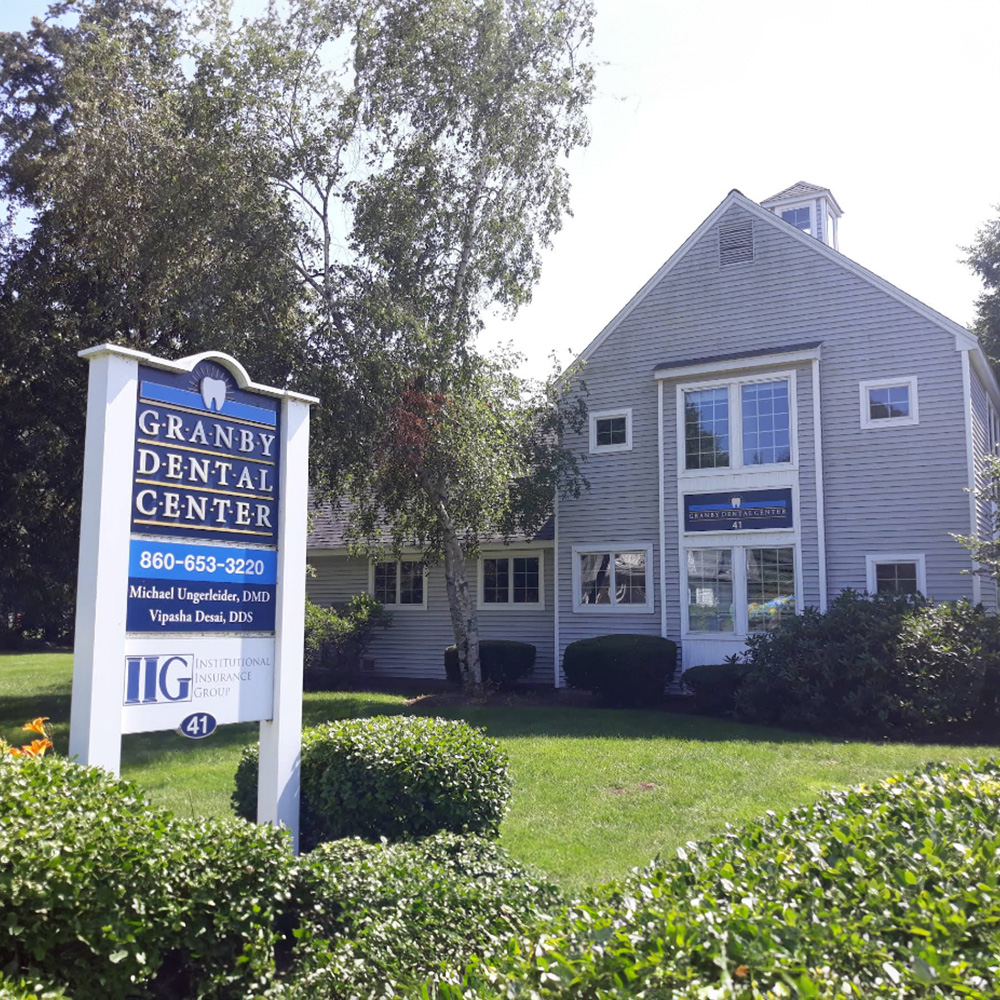
Scheduling your next visit to Granby Dental Center is quick and hassle-free. Whether you have a specific question about our services or just need to easily book a routine cleaning, our professional staff is here to provide clear answers and simple solutions.
We’ve made it easier than ever to get in touch: give us a call or use our quick online form. Don't put your oral health on the back burner, connect with us today and let us handle the details while you focus on your smile.