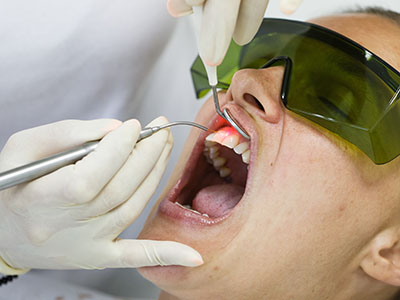
LANAP® (Laser-Assisted New Attachment Procedure) is a modern, laser-based approach to treating moderate to advanced gum disease. Unlike traditional open-flap surgery, LANAP® is designed to remove diseased tissue and bacteria while preserving healthy gum and bone structures. The technique centers on precision: using targeted energy to disinfect periodontal pockets and encourage the body’s natural healing mechanisms without the extensive incisions or sutures associated with older surgical methods.
Traditional periodontal surgery typically requires cutting and lifting the gum tissue to access infected root surfaces and bone. LANAP® avoids large incisions by using a specialized dental laser to reach deep into periodontal pockets. This selective approach targets only the diseased tissue and bacterial biofilm while leaving healthy tissue intact, which reduces trauma to the surrounding structures and helps maintain the natural gum line.
Because the laser energy is highly precise, it removes bacteria and infected tissue without the same degree of collateral damage seen with scalpel-based techniques. The procedure also encourages a biologic seal to reform between the tooth root and surrounding tissues rather than simply reshaping bone or grafting new materials. For many patients, this results in a less invasive experience with a focus on tissue preservation and regeneration.
Clinicians who use LANAP® are trained to evaluate pocket depths, bone loss, and tissue condition to determine whether a laser-assisted approach is appropriate. When the laser is combined with careful periodontal instrumentation and supportive care, it can offer a reproducible method for addressing periodontal disease while minimizing some of the disadvantages of conventional surgery.
A LANAP® procedure generally begins with a thorough periodontal assessment and local anesthesia to ensure patient comfort. The PerioLase® MVP-7™ laser is then introduced into the periodontal pocket to selectively remove diseased tissue and to neutralize the bacteria that contribute to inflammation and tissue breakdown. Because the laser is designed to target pigmented, inflamed tissue, healthy gum tissue is largely spared.
Following laser treatment, your clinician will gently debride the root surfaces to remove any remaining plaque or calculus. The laser is often used again to create a stable clot and to help re-establish a clean environment for tissue reattachment. This two-step approach — decontamination plus clot stabilization — promotes a favorable environment for healing and can reduce the need for extensive suturing.
The entire appointment protocol emphasizes gentle handling of tissues and careful postoperative monitoring. Most patients report less bleeding during the procedure and minimal swelling afterward. Because LANAP® is performed with tissue preservation in mind, follow-up visits focus on monitoring pocket depth reduction, tissue reattachment, and overall periodontal stability.
One of the primary advantages of LANAP® is a gentler recovery compared with traditional periodontal surgery. Because the laser targets only diseased tissue and avoids large incisions, many patients experience less postoperative pain and reduced swelling. Bleeding is typically minimized during and after the procedure, and some people return to normal activities sooner than they would after conventional surgery.
LANAP® also aims to preserve soft tissue and bone around the teeth. Maintaining the natural gum line helps avoid the aesthetic and sensitivity issues that can follow more invasive interventions. In cases where bone has been compromised by periodontal disease, LANAP® has been associated with improvements in bone levels, as the biologic environment created by the laser supports reattachment and regeneration.
Beyond immediate comfort and healing benefits, preserving existing tooth structure and supporting tissues can play a crucial role in long-term oral health. By reducing pocket depths and stabilizing the periodontal environment, LANAP® can contribute to a more predictable maintenance plan and help patients keep their natural teeth for longer.
LANAP® is typically considered for patients with moderate to severe periodontitis who would benefit from a less invasive approach to pocket reduction and tissue regeneration. Ideal candidates are those who have persistent periodontal pockets despite non-surgical therapy, or patients who seek an alternative to traditional flap surgery. A thorough clinical and radiographic evaluation is essential to determine suitability.
Not every case is a fit for laser-assisted therapy. Factors such as the pattern and extent of bone loss, location of pockets, overall medical history, and patient commitment to oral hygiene all influence treatment planning. Periodontal health is multifactorial, so clinicians will weigh the benefits of LANAP® against other options and may combine it with adjunctive therapies when appropriate.
Effective treatment begins with collaboration between clinician and patient. Successful outcomes rely on realistic expectations, proper periodontal maintenance, and adherence to post-procedural recommendations. For complex cases, a multidisciplinary approach that includes restorative considerations can optimize both function and esthetics after periodontal therapy.
LANAP® establishes a foundation for improved periodontal health, but the longevity of results depends heavily on ongoing care. Patients should maintain a consistent daily routine of brushing with a soft brush, interdental cleaning, and, when recommended, adjunctive antimicrobial measures. Good oral hygiene reduces the chance that plaque and calculus will re-colonize periodontal pockets and undermine the healing achieved by the procedure.
Regular professional maintenance is equally important. After LANAP®, clinicians typically schedule more frequent periodontal cleanings and re-evaluations to monitor pocket depths, tissue attachment, and bone stability. These appointments allow the dental team to catch early signs of recurrence and intervene before more significant problems develop.
Behavioral factors such as smoking, uncontrolled diabetes, and inconsistent home care can influence long-term success. Your dental team will discuss personalized strategies to support healing and maintenance, including lifestyle modifications and tailored recall intervals to match individual risk profiles.
LANAP® offers a tissue-preserving alternative for managing periodontal disease, combining targeted laser therapy with traditional periodontal principles to promote healing and regeneration. If you’d like to learn more about how this approach may fit into your treatment plan, please contact Granby Dental Center for additional information and guidance.


LANAP® stands for Laser-Assisted New Attachment Procedure and is a minimally invasive, laser-based treatment for moderate to advanced periodontal disease. The technique uses a specialized dental laser to selectively remove diseased tissue and reduce bacterial load within periodontal pockets while preserving healthy gum and bone. By focusing on tissue preservation and biologic healing, LANAP® aims to create conditions that support reattachment and stability of the periodontal tissues.
The procedure is performed with local anesthesia and is designed to avoid large incisions and extensive suturing that are common with traditional flap surgery. Clinicians pair laser decontamination with careful root debridement and clot stabilization to promote a favorable healing environment. Patients typically experience a treatment that emphasizes precision, reduced trauma, and preservation of natural structures.
LANAP® differs from conventional periodontal surgery primarily through its selective, laser-based approach that targets diseased tissue while sparing healthy tissue. Traditional surgery commonly involves cutting and lifting the gum to access infected root surfaces and bone, which can lead to more bleeding, swelling, and changes to the gum line. LANAP® instead uses laser energy to disinfect pockets and encourage tissue reattachment with less collateral damage.
The laser's precision reduces the need for large incisions and extensive suturing, and it can support the formation of a biologic seal between the tooth root and surrounding tissues. Because of this focus on regeneration rather than reshaping or grafting in every case, many clinicians consider LANAP® a tissue-preserving alternative. Treatment planning still requires careful evaluation, and some cases may still benefit from traditional or adjunctive therapies.
A LANAP® appointment typically begins with a comprehensive periodontal assessment and the administration of local anesthesia to ensure patient comfort. The PerioLase® laser is then introduced into the periodontal pockets to selectively remove diseased, pigmented tissue and to neutralize pathogenic bacteria that contribute to inflammation and tissue breakdown. After laser decontamination, clinicians gently debride root surfaces to remove remaining plaque and calculus.
Following instrumentation, the laser may be used again to help form a stable clot and re-establish a clean environment for tissue reattachment, which often reduces the need for extensive sutures. The entire process emphasizes gentle tissue handling and close postoperative monitoring. Most patients report controlled bleeding during the procedure and relatively minimal swelling afterward compared with traditional flap surgery.
LANAP® is generally considered for patients with moderate to severe periodontitis who have persistent periodontal pockets despite non-surgical therapy or who prefer a less invasive surgical alternative. Ideal candidates are assessed based on pocket depths, the pattern and extent of bone loss, pocket location, and overall oral health status. A thorough clinical and radiographic evaluation is necessary to determine whether a laser-assisted approach is appropriate for an individual patient.
Not every case is a fit for LANAP®, and factors such as uncontrolled systemic conditions, heavy smoking, or complex anatomic defects may influence candidacy and expected outcomes. Clinicians may combine LANAP® with other periodontal or restorative procedures when appropriate to optimize function and esthetics. Successful treatment also depends on patient commitment to oral hygiene and ongoing periodontal maintenance.
Preparation for LANAP® begins with a comprehensive periodontal exam that may include probing, charting, and radiographic imaging to map pocket depths and bone levels. Your clinician will review your medical history and current medications to identify any factors that could affect healing, such as diabetes or medications that influence bleeding. If needed, instructions on pre-procedural hygiene, such as improved brushing and interdental cleaning, will be provided to reduce bacterial load before treatment.
On the day of the procedure, plan for a comfortable recovery by arranging transportation if you prefer, bringing a list of questions, and following any specific instructions from the dental team regarding medications or fasting. Smoking cessation is strongly encouraged prior to and after the procedure to support healing. Clear communication with your clinician about expectations and post-procedure care will help ensure a smoother experience.
Recovery after LANAP® is often described as gentler than after traditional periodontal surgery, with many patients reporting less pain, swelling, and bleeding. Immediately following the procedure, clinicians provide specific postoperative instructions that typically include gentle oral hygiene measures, short-term use of antimicrobial rinses when indicated, and recommendations to avoid disturbing treated sites. Follow-up visits focus on monitoring pocket depth reduction and tissue reattachment.
Individual recovery varies and can be influenced by factors such as smoking, systemic health conditions, and adherence to home care recommendations. Some patients return to normal activities quickly, while others may need a few days of rest and modified eating habits. Close communication with the dental team ensures any concerns, such as sensitivity or prolonged discomfort, are addressed promptly.
LANAP® promotes regeneration by combining targeted laser decontamination with mechanical root debridement and clot stabilization to create a biologic environment conducive to healing. The laser selectively removes inflamed tissue and reduces bacterial biofilms, which helps the body re-establish a healthy attachment apparatus around the tooth. By minimizing trauma to healthy tissue, the procedure supports natural healing processes rather than relying solely on reshaping or grafting.
In some cases, LANAP® has been associated with improvements in bone levels where infection has caused loss, as the stabilized environment can permit reattachment and bone fill over time. Outcomes depend on the extent of preexisting damage, the patient’s healing capacity, and rigorous maintenance afterward. A comprehensive treatment plan will consider regenerative goals alongside long-term periodontal stability.
As with any surgical or laser-assisted procedure, LANAP® carries potential risks and side effects that clinicians discuss during treatment planning. Possible outcomes can include temporary sensitivity, mild bleeding, transient swelling, or delayed healing in patients with risk factors such as smoking or uncontrolled systemic disease. Rarely, additional treatment may be required if healing is incomplete or if infection persists.
Careful patient selection, strict infection control, and adherence to postoperative instructions reduce the likelihood of complications. Your clinician will explain the expected benefits and potential risks in the context of your specific periodontal condition and will recommend adjunctive measures when indicated. Ongoing monitoring allows the dental team to address any issues early and adjust the plan as needed.
LANAP® establishes a foundation for improved periodontal health, but long-term success depends on a structured maintenance program tailored to individual risk. After the procedure, clinicians typically schedule more frequent periodontal cleanings and re-evaluations to monitor pocket depths, tissue attachment, and bone stability. These maintenance visits allow the team to detect early signs of recurrence and intervene before more significant disease develops.
Home care remains a critical component of maintenance, including thorough brushing, interdental cleaning, and any recommended antimicrobial adjuncts. Behavioral factors like smoking cessation and control of systemic conditions are emphasized to preserve treatment gains. The practice team will outline a personalized recall schedule and support strategies to help patients sustain long-term periodontal health at Granby Dental Center.
Determining appropriateness for LANAP® begins with a comprehensive clinical examination that includes pocket probing, radiographic assessment, and evaluation of tissue and bone levels. Clinicians consider the pattern and extent of bone loss, pocket depth distribution, tooth mobility, and the patient’s overall medical history, including any conditions that might affect healing. candidacy also depends on prior response to non-surgical therapy and the patient’s commitment to oral hygiene and follow-up care.
Multidisciplinary considerations, such as restorative needs and esthetic goals, may influence the decision to use LANAP® alone or in combination with other therapies. The dental team will explain alternatives, expected outcomes, and the role of maintenance in achieving predictable results. If appropriate, a personalized treatment plan will be developed that balances regenerative objectives with long-term periodontal stability.
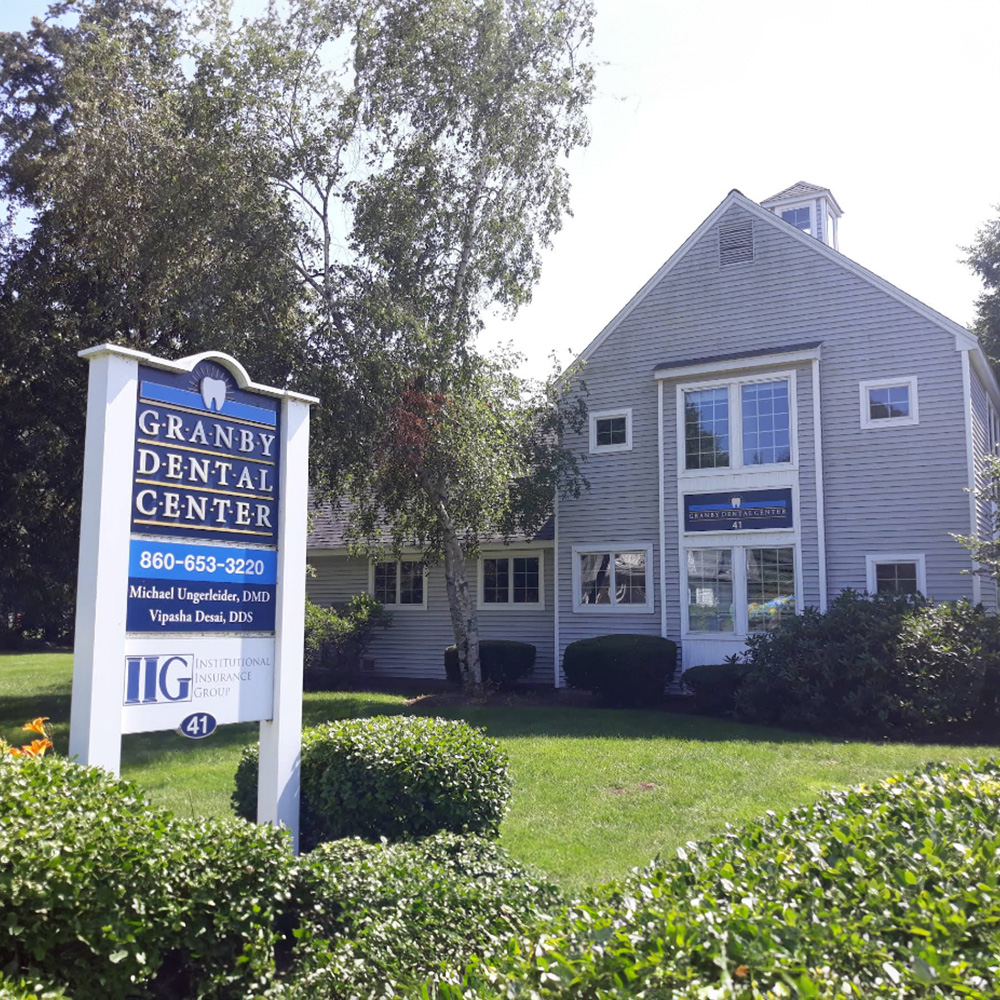
Scheduling your next visit to Granby Dental Center is quick and hassle-free. Whether you have a specific question about our services or just need to easily book a routine cleaning, our professional staff is here to provide clear answers and simple solutions.
We’ve made it easier than ever to get in touch: give us a call or use our quick online form. Don't put your oral health on the back burner, connect with us today and let us handle the details while you focus on your smile.