Invisalign® offers a modern alternative to traditional braces, using a sequence of custom-designed clear aligners to guide teeth into better positions. This approach blends digital planning with removable appliances so patients can maintain daily routines while progressing through treatment. The following sections explain how the system works, what to expect during care, and how clinicians plan and monitor treatment.
The process begins with a precise record of the mouth. Many clinicians now use digital scanning to capture three-dimensional images of teeth and supporting structures, which become the basis for a comprehensive treatment plan. From that digital model, a planned series of aligners is created so each step of tooth movement is mapped before treatment begins.
Each aligner in the series is slightly different. When a patient wears an aligner, it applies gentle, controlled forces to specific teeth according to the stage of the plan. Over time and with regular progression through the series, those small, planned movements add up to a measurable change in alignment and bite.
Because the aligners are manufactured to match the digital prescription, clinicians can review a visual simulation of the planned outcome and make adjustments during planning. This upfront visualization helps set reasonable expectations and supports a coordinated approach between patient and provider throughout care.
An initial consultation gathers clinical records and an evaluation of alignment, bite relationships, and oral health. The clinician assesses whether clear aligner therapy is appropriate and, if so, documents the specifics needed for computer-assisted treatment planning. This stage includes checking for factors that might affect movement, such as restorations, gum health, or tooth positions that require adjunctive techniques.
Once records are captured, the clinician works with the aligner system's planning tools to define the sequence of movements and any necessary attachments or auxiliaries. These attachments are small, tooth-colored shapes bonded to teeth to improve how forces are applied; they are removed when no longer needed. Throughout this planning phase, the clinician remains responsible for clinical decision-making and for tailoring the approach to the patient's needs.
Monitoring occurs at scheduled intervals so progress can be confirmed and refinements can be requested if needed. Regular check-ins allow the clinician to evaluate fit, review the progress against the planned simulation, and make adjustments when teeth deviate from expectations. This active oversight helps keep treatment on track and supports predictable outcomes.

Invisalign® for Teens

Invisalign® for Brides

Invisalign® for Travelers
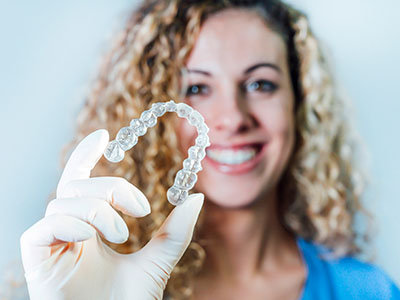
Before & After Photos
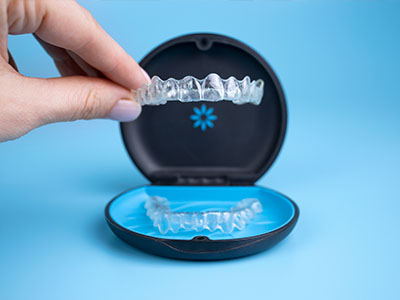
Invisalign® Videos
FAQs
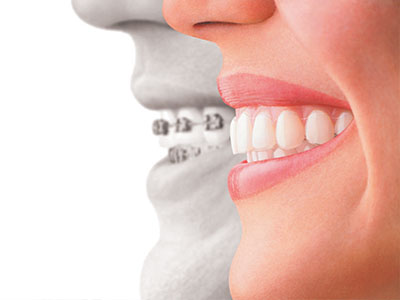
Invisalign® vs Braces
Invisalign® vs Direct-To-Consumer Aligners
Is Invisalign® Right For Me?

Invisalign® Costs

Testimonials
With clear aligners, the appliance itself is nearly invisible when worn. Because the trays are removable, routine oral hygiene and most normal eating habits are easier to maintain than with fixed appliances. These practical features are often important considerations when patients and clinicians compare treatment options.
Because aligners are removable, patients can brush and floss without special tools, which helps maintain periodontal health during treatment. Clinicians typically emphasize consistent hygiene to reduce the risk of staining, decay, or soft tissue irritation while teeth are moving.
Most patients adapt quickly to speaking with aligners in place. At first there may be a short adjustment period, but clear trays are designed to be low-profile and to minimize interference with normal speech and activity. If temporary fit or comfort concerns arise, the clinical team can provide guidance on small adaptations or troubleshooting.
Aligners should be worn as prescribed by the clinician to achieve the intended movement. Intermittent removal for meals and oral care is part of the system’s design, but compliance remains a key factor in delivering predictable results. Clinicians will offer practical strategies to help patients incorporate aligner wear into daily life.
Clear aligner systems can address a wide range of alignment and bite concerns, from minor crowding and spacing to certain bite corrections. Because every case is unique, the clinician evaluates the specific tooth movements required and determines whether aligners alone are sufficient or if additional techniques—such as recontouring, attachments, or limited restorative work—are advisable.
There are cases where adjunctive therapies or staged approaches provide a more reliable path to the desired outcome. For complex skeletal discrepancies or significant jaw alignment issues, orthodontic specialists and general dentists collaborate to recommend the most appropriate intervention. The clinician’s role is to identify those cases early and to communicate clearly about the realistic capabilities of aligner therapy.
When refinements are necessary, additional aligners or minor revisions to the plan can address residual irregularities. This iterative approach is part of many modern aligner protocols and helps ensure the final result aligns with clinical objectives and patient expectations.
Treatment begins with the delivery of the first few aligners and clear instructions on wear and care. Follow-up visits provide checkpoints for fit, comfort, and progress. During these visits clinicians confirm that movement is tracking according to plan and determine whether any mid-course adjustments are needed.
At the completion of active alignment, clinicians commonly recommend retention to preserve the new tooth positions. Retainers—typically custom-made—help stabilize teeth while surrounding tissues adapt to their updated arrangement. The clinician designs a retention plan based on the original concerns and the movements achieved during active treatment.
Long-term success depends on ongoing attention to oral health and adherence to retention guidance. Regular dental care and periodic reviews allow the clinician to monitor stability and address any changes early, helping maintain the benefits gained through treatment.

During the first visit, the clinician evaluates alignment goals, conducts a clinical exam, and discusses how clear aligner therapy may fit the patient’s oral health profile. This meeting sets the foundation for an individualized plan.
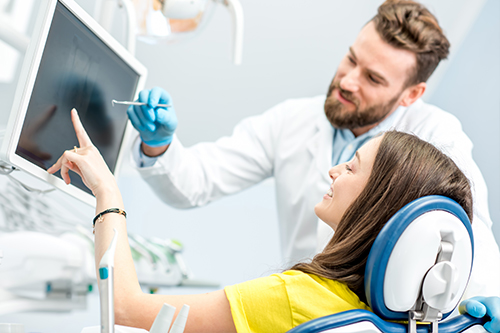
After records are taken, the clinician develops a tailored sequence of aligners based on digital planning. Patients typically receive a preview of the proposed tooth movements and the steps envisioned to reach the final alignment.
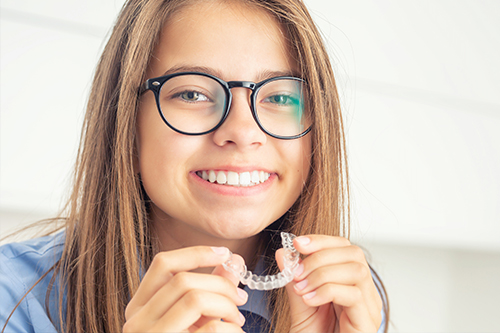
The aligners are manufactured to the specified prescription and are inspected for fit and quality before delivery. Each aligner is intended to move teeth incrementally as outlined in the treatment plan.

Throughout treatment, the clinician provides oversight and support. After active alignment, a retention strategy is implemented to help maintain the achieved tooth positions over time.
Short videos offer additional perspectives on what patients commonly experience during clear aligner care.
*Invisalign® is a registered trademark of Align Technology, Inc.
At Granby Dental Center, we aim to provide clear, clinically grounded information so prospective patients can make informed choices about aligner therapy. Contact us for more information.
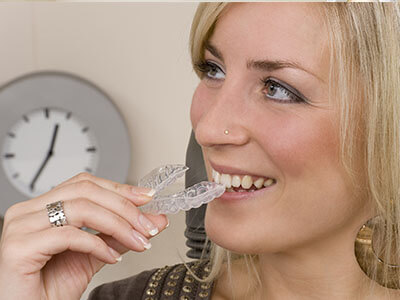

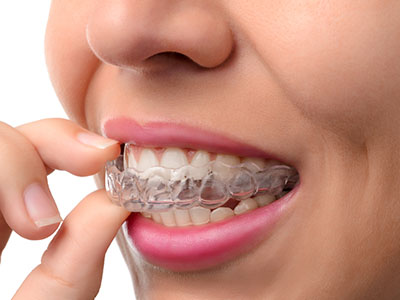
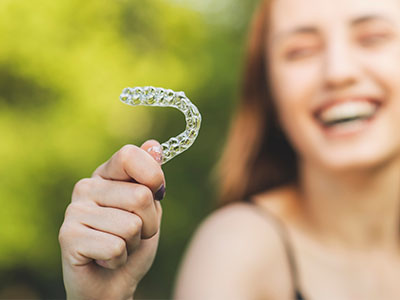
Invisalign® uses a series of custom-made, clear thermoplastic aligners that fit snugly over the teeth to apply gentle, controlled forces. Each aligner is designed to produce a small, planned movement so that, when worn in sequence, these incremental shifts add up to meaningful alignment changes. The aligners are removable, low-profile, and manufactured to match a clinician-approved digital prescription.
Treatment begins with a digital record of your mouth and a computer-generated plan that maps each stage of movement. Because the plan is simulated in advance, clinicians and patients can see the intended progression and make informed decisions about attachments, staging, or refinements. Regular oversight ensures the physical tooth movement follows the planned simulation as closely as possible.
The process starts with a comprehensive clinical exam and precise records, often captured using digital intraoral scanning to create a three-dimensional model of the teeth and supporting structures. Clinicians use specialized planning software to define the sequence of movements, select where attachments are needed, and anticipate potential staging challenges. This digital workflow allows for visualization of the final result and pre-planning of any auxiliaries required to achieve the desired movements.
Throughout planning the clinician remains responsible for clinical decisions and for adapting the plan to each patient’s oral health, restorations, and periodontal condition. The planned series of aligners is fabricated to that prescription and inspected for fit and quality before delivery. Clear communication during planning helps set realistic expectations and prepares the patient for the treatment pathway.
Clear aligner therapy can address a wide range of alignment issues, including mild to moderate crowding, spacing, and many bite irregularities that can be corrected with staged tooth movement. Candidates should have healthy gums and teeth, and clinicians evaluate restorative work, root positions, and skeletal considerations that might affect predictability. Some complex skeletal discrepancies or severe bite problems may require alternative or adjunctive approaches, and clinicians will recommend the most appropriate course of care.
Age alone is not the sole determinant of candidacy; adults and many adolescents can be treated effectively when clinical conditions permit. Compliance with prescribed wear time is a key factor in achieving predictable results, so candidacy includes discussion of lifestyle and ability to follow the treatment protocol. When aligners alone are insufficient, a coordinated plan that involves additional orthodontic or restorative procedures may be suggested.
At Granby Dental Center the clinician combines clinical examination findings with digital scans and diagnostic records to create a treatment blueprint tailored to each patient’s goals and oral health needs. This individualized plan includes the number and sequence of aligners, the placement of tooth-colored attachments when needed, and any recommended adjunctive procedures to improve outcomes. The practice emphasizes clinician-directed decision-making so the plan aligns with both aesthetic and functional objectives.
Personalization continues through active care with scheduled check-ins to confirm fit and movement and to request refinements if progress deviates from the simulation. If attachments need adjustment or additional aligners are required, these are incorporated into the treatment pathway. Clear communication about expectations and milestones helps patients stay informed and engaged throughout their care.
Treatment duration varies with the complexity of the case, the amount of tooth movement required, and patient adherence to prescribed wear time. Many cases are completed in several months to about a year, but individual timelines differ and are estimated during the planning phase. Clinicians provide an expected sequence and will update timing if refinements or additional stages are needed.
Follow-up visits are scheduled at regular intervals to monitor fit, assess tracking compared with the planned simulation, and address any fit or comfort concerns. These visits allow clinicians to confirm that movement is progressing as intended and to make clinical adjustments when necessary. Maintaining scheduled appointments supports predictable outcomes and timely refinements when needed.
Because aligners are removable, patients can continue routine brushing and flossing without special tools, which helps preserve periodontal health during treatment. Aligners should be cleaned daily using a soft brush and manufacturer-recommended solutions or mild, nonabrasive cleansers to avoid staining and odor. It is important to remove aligners before eating and to brush teeth before reinserting them to reduce the risk of decay or soft tissue irritation.
Consistent hygiene also includes periodic professional checkups and cleanings as recommended by the clinician to monitor oral health while teeth are moving. If staining, discomfort, or irritation occurs, patients should consult the clinical team promptly for guidance. Good daily habits and clinical oversight help minimize complications and support successful treatment.
Most patients experience a brief adjustment period when they first begin wearing aligners during which speech may be slightly altered, but adaptation typically occurs within a few days to a couple of weeks. Aligners are designed to be low-profile and to minimize interference with normal speech and daily activities. Temporary sensations of pressure are normal when switching to a new aligner and indicate that the appliance is applying force as intended.
If fit or comfort issues persist, the clinical team can evaluate the trays and suggest small adaptations or troubleshooting steps to improve comfort. Managing initial tenderness with over-the-counter analgesics and careful wear according to instructions often alleviates discomfort. Ongoing communication about fit supports timely adjustments and improves the overall experience.
Attachments are small, tooth-colored composite shapes bonded to selected teeth to improve how forces from the aligners are applied, enhancing control for certain movements such as rotations or extrusions. Auxiliaries can include elastics or other devices used in combination with aligners to address specific bite relationships. The planning process identifies when these aids will improve predictability and whether they are indicated for a given patient.
Attachments are placed and removed by the clinician and are intended to be unobtrusive and temporary for the duration of their need. Their use is part of a clinician-directed strategy to achieve complex movements that aligners alone might not predictably accomplish. Clear discussion during planning helps patients understand the purpose and expected duration of any auxiliaries.
Progress is monitored through scheduled clinical checks where the clinician evaluates fit, compares actual movement to the planned simulation, and assesses oral health. If teeth are not tracking as expected, the clinician can request refinements, fabricate additional aligners, or modify attachments and staging to improve outcomes. Early detection of deviations allows corrective steps that keep treatment on course.
When unanticipated issues arise the clinician considers contributing factors such as wear-time compliance, occlusal interferences, or restorative constraints and addresses them with targeted interventions. Open communication and timely follow-up are essential to implementing refinements efficiently. The iterative nature of modern aligner protocols helps achieve the clinical objectives while maintaining predictable care.
After active alignment is complete clinicians typically provide a retention plan to preserve the new tooth positions while surrounding tissues adapt. Retainers, which may be removable or fixed, are custom-made to maintain stability and are selected based on the initial concerns, the movements achieved, and long-term risk of relapse. The clinician outlines a retention schedule and explains best practices for wear and maintenance.
Long-term success depends on adherence to retention guidance and ongoing attention to oral health with regular dental reviews. Periodic monitoring allows the clinician to identify and address minor changes early, supporting the longevity of the result. Patients are encouraged to discuss retention expectations during treatment planning so they understand the steps needed to preserve their new alignment.
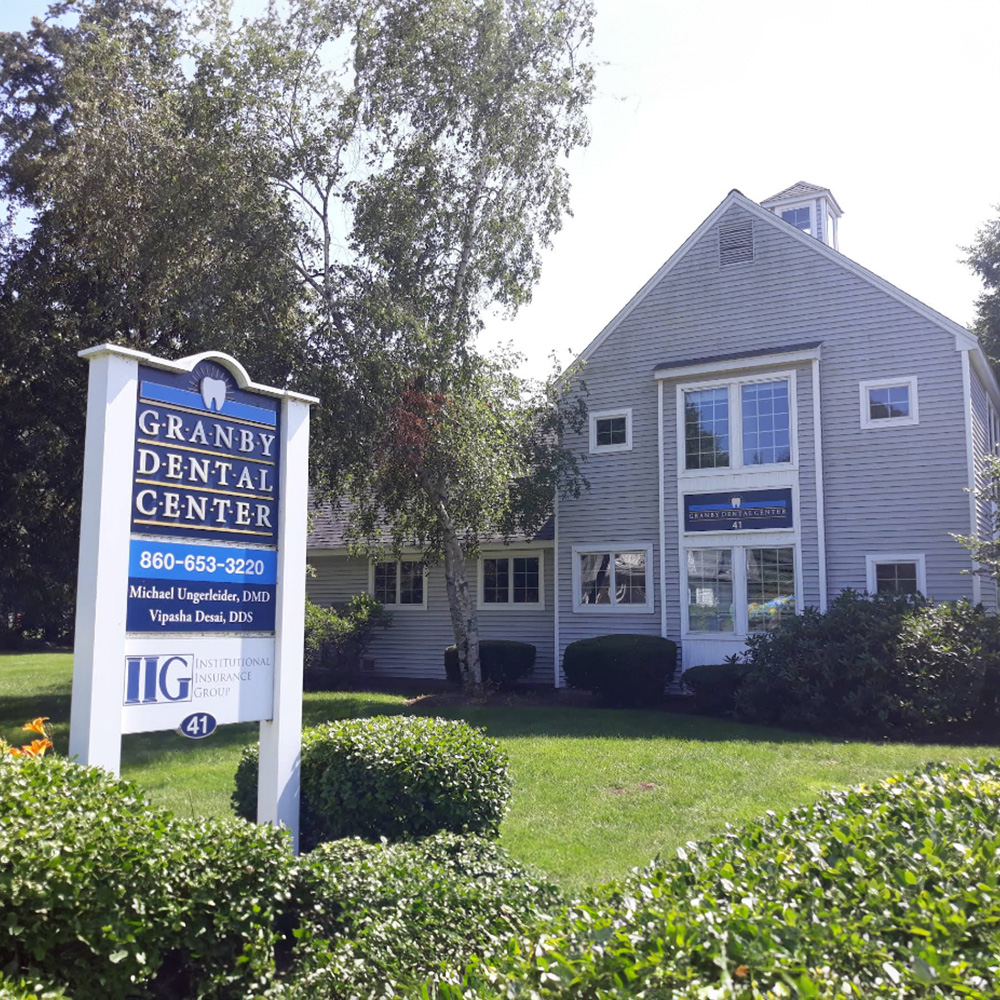
Scheduling your next visit to Granby Dental Center is quick and hassle-free. Whether you have a specific question about our services or just need to easily book a routine cleaning, our professional staff is here to provide clear answers and simple solutions.
We’ve made it easier than ever to get in touch: give us a call or use our quick online form. Don't put your oral health on the back burner, connect with us today and let us handle the details while you focus on your smile.