Inlays and onlays are custom restorations designed to repair teeth that are too damaged for a simple filling but don’t yet require a full crown. They are fabricated outside the mouth to fit precisely into the prepared area of a tooth. An inlay fits within the cusps of a back tooth, restoring the biting surface, while an onlay extends over one or more cusps and can replace a larger portion of tooth structure without the need for complete coverage.
Because these restorations are made to measure, they offer a close fit and predictable performance. The lab-made piece is bonded to the prepared tooth with modern adhesive materials that create a durable seal. That combination of precision fit and strong bonding can preserve more healthy tooth structure than a crown while restoring function and appearance.
At Granby Dental Center we explain these options as part of a spectrum of restorative choices — from direct fillings to crowns. Choosing an inlay or onlay often means opting for a restoration that balances longevity, strength, and tooth preservation.
One of the primary reasons dentists recommend inlays or onlays is their conservative approach to restoration. Instead of removing large amounts of healthy tooth to place a crown, clinicians can target only the damaged areas. This tooth-sparing philosophy maintains more of the natural structure, which supports long-term tooth health and can reduce the risk of future fractures or complications.
Inlays and onlays also provide superior fit and function compared with large direct fillings. Because the restoration is fabricated outside the mouth, the technician can control margins and occlusion precisely. When properly designed and bonded, these restorations distribute chewing forces across the tooth in a way that restores strength and reduces stress concentrations.
Another practical advantage is predictability. For moderate structural loss, an inlay or onlay avoids the trade-offs of a large filling that is prone to leakage or a crown that requires significant tooth reduction. For many patients, this middle-ground solution offers the best balance between durability and preserving natural anatomy.
The process begins with a thorough evaluation, including clinical examination and imaging, to determine how much tooth structure remains and whether an inlay or onlay is the right choice. If suitable, the tooth is prepared by removing decay or old restorative material and shaping the margins so the laboratory restoration will seat precisely. This preparation is conservative compared with full-crown preparations.
Next, an impression or digital scan of the prepared tooth is taken to capture exact details of the margins and bite. A temporary restoration may be placed while the final piece is fabricated. Modern digital workflows can expedite fabrication and improve accuracy, but conventional impressions remain a reliable option in many cases.
When the custom restoration returns from the lab, the fit is carefully checked and adjusted if necessary. The dentist then bonds the inlay or onlay using adhesive resin systems that form a strong, long-lasting interface with both tooth and restoration. Final polishing and occlusal adjustments ensure a smooth transition and comfortable bite.
Recovery is typically straightforward — patients often notice immediate improvement in function and feel. Because the restoration is bonded rather than cemented loosely, it becomes an integral part of the tooth structure. Routine follow-up includes monitoring margins and bite, with periodic professional cleanings and at-home care to support longevity.
Inlays and onlays can be made from a variety of materials, each with distinct strengths. Porcelain and ceramic options are popular for their lifelike translucency and resistance to staining, making them an excellent choice for patients who want a natural appearance. High-strength ceramics and reinforced porcelains can similarly withstand the demands of back teeth.
Composite inlays are another option; they can be shaded to match surrounding enamel and tend to be less abrasive to opposing teeth. Metal alloys, including gold, have a long track record for durability, especially in demanding occlusal situations, though they are less commonly chosen for purely aesthetic reasons. Your clinician can recommend the material that best balances strength, wear characteristics, and appearance for your situation.
Longevity depends on material selection, the quality of the bond, and oral habits. Well-made and well-bonded restorations can last many years when maintained properly. Because they resist staining and maintain marginal integrity, ceramic inlays and onlays are often favored when esthetics are important.
Caring for an inlay or onlay is similar to caring for a natural tooth: consistent brushing with a fluoride toothpaste, daily flossing, and regular professional cleanings are the foundation. Good home care helps prevent recurrent decay at the margins and maintains gum health around the restored tooth. Using a night guard can protect restorations for patients who grind or clench their teeth.
Avoiding excessively hard or sticky foods reduces the chance of chipping or dislodging the restoration. If you notice sensitivity, roughness at the margin, or any change in bite, scheduling an appointment promptly allows the team to assess and address minor issues before they become larger problems. Early intervention is often simpler and less invasive.
During routine dental visits, your dentist will evaluate the restoration’s margins and contact points, check for wear on opposing teeth, and confirm the integrity of the bond. Radiographs taken at appropriate intervals help detect issues beneath the restoration that may not be visible clinically. With attentive care and regular professional oversight, inlays and onlays remain a durable and attractive solution for many patients.
Summary: Inlays and onlays offer a conservative, long-lasting way to restore damaged back teeth while preserving natural structure and providing excellent aesthetics and function. If you’d like to learn whether an inlay or onlay is right for your situation, contact Granby Dental Center for more information and to discuss your personalized treatment options.


Dental inlays and onlays are custom indirect restorations used to repair posterior teeth that are too compromised for a simple filling but do not yet require a full crown. An inlay fits within the cusps of a tooth to restore the biting surface, while an onlay extends over one or more cusps to replace larger areas of damaged structure. Both are fabricated outside the mouth for a precise fit and finished contour.
These restorations are bonded to the prepared tooth with modern adhesive systems, creating a durable seal that helps prevent recurrent decay at the margins. Because they preserve more natural tooth structure than crowns, inlays and onlays are considered a conservative restorative choice for moderate structural loss. Their custom fabrication also allows for improved occlusion and esthetics compared with large direct restorations.
Inlays and onlays occupy an intermediate position between direct fillings and full crowns in terms of invasiveness and coverage. Fillings are placed directly into a prepared cavity and are best for small defects, while crowns cover the entire visible portion of the tooth and require more extensive reduction of healthy structure. Inlays and onlays allow clinicians to target only the damaged areas, preserving more enamel and dentin than a crown would require.
Their laboratory fabrication permits tighter control of margins and occlusal anatomy than large direct restorations, which can reduce stress concentration and leakage. Compared with crowns, inlays and onlays maintain more of the tooth’s original strength and morphology. Selecting the appropriate option depends on remaining tooth structure, functional demands, and esthetic goals.
The process begins with a thorough clinical evaluation and imaging to determine how much tooth structure remains and whether an inlay or onlay is indicated. The tooth is then prepared by removing decay or failed restorative material and shaping the margins so the lab-made restoration will seat precisely. The clinician captures an impression or digital scan of the preparation, and a temporary restoration may be placed while the final piece is fabricated.
When the laboratory restoration returns, the fit and contacts are verified and any minor adjustments are made before bonding. The practice then bonds the inlay or onlay using adhesive resin systems that create a strong interface with the tooth and restoration. Final polishing and occlusal adjustments ensure comfort, proper bite, and a smooth transition with adjacent teeth.
Common materials for inlays and onlays include ceramics such as porcelain, high-strength glass ceramics, composite resin, and metal alloys like gold. Porcelain and glass ceramics are prized for their lifelike translucency and resistance to staining, making them a strong choice where esthetics matter. Composite inlays can be shaded to match surrounding enamel and tend to be less abrasive to opposing teeth, while gold remains a durable option in demanding occlusal situations.
Each material involves trade-offs between strength, wear characteristics, and appearance, and the optimal choice depends on the tooth’s location, functional load, and patient preferences. Ceramic options often balance esthetics and durability well for most posterior restorations, whereas metal may be preferred when maximum longevity under heavy occlusion is the priority. Your clinician can explain material performance and recommend the best match for your specific needs.
Lifespan for inlays and onlays varies, but well-made and properly bonded restorations commonly last many years when maintained appropriately. Factors that affect longevity include the material selected, the quality of the adhesive bond, the amount of remaining tooth structure, and the patient’s oral hygiene and habits. Occlusal forces, bruxism, and diet also influence wear and the risk of chipping or fracture.
Regular professional evaluations help detect early signs of margin breakdown, recurrent decay, or wear on opposing teeth so issues can be addressed promptly. Patients who maintain consistent brushing and flossing, attend routine cleanings, and use protective appliances when indicated generally see the best long-term outcomes. With attentive care, inlays and onlays remain a durable and predictable restorative solution.
Inlays and onlays are appropriate for many patients but are not universal solutions for every tooth or situation. They work best when sufficient healthy tooth remains to support the bonded restoration; extensive structural loss or active uncontrolled decay may necessitate alternative approaches such as a crown or more extensive treatment. Clinicians also evaluate bite dynamics, opposing dentition, and parafunctional habits like grinding when determining suitability.
Patients with heavy occlusal loads or severe bruxism may require reinforcement strategies, material selection tailored for strength, or a different restorative plan altogether. A comprehensive clinical exam and discussion of functional and esthetic goals allow the dentist to recommend the most predictable option for each individual. Personalized treatment planning helps ensure that the chosen restoration meets long-term functional and cosmetic expectations.
Caring for an inlay or onlay is similar to maintaining a natural tooth: brush twice daily with fluoride toothpaste and clean between teeth daily with floss or interdental cleaners. Consistent home care prevents recurrent decay at the margins and supports healthy gums around the restored tooth. During routine dental visits, your clinician will check margins, contacts, and occlusion to catch small problems before they progress.
Avoiding excessively hard or sticky foods reduces the risk of chipping or dislodging the restoration, and using a custom night guard can protect restorations for patients who clench or grind. If you notice sensitivity, roughness at a margin, or any change in bite, schedule an appointment promptly so minor issues can be addressed. Early intervention is often simpler and helps preserve the restoration and underlying tooth.
The primary benefits of inlays and onlays include conservation of natural tooth structure, improved marginal integrity versus large direct fillings, and excellent esthetics when ceramic materials are used. Their laboratory fabrication allows for precise occlusal anatomy and contacts, which can restore chewing function and distribute forces more evenly across the tooth. For many patients, these restorations strike a balance between durability and minimal invasiveness.
Potential risks include sensitivity after treatment, the possibility of chipping or fracture under excessive load, and the need for replacement if the bond fails or recurrent decay develops. Proper case selection, meticulous bonding technique, and appropriate material choice minimize these risks. Your dentist will review expected benefits and limitations to help you make an informed choice aligned with your oral health goals.
Small chips or margin defects can sometimes be repaired in the mouth using adhesive bonding or composite resurfacing, depending on the material and extent of the damage. If the restoration becomes partially detached but the tooth structure remains sound, the dentist may be able to re-bond it after cleaning and preparing the surfaces. However, significant fractures, extensive margin breakdown, or recurrent decay usually require replacement of the restoration.
Prompt evaluation is important because early repairs are often simpler and less invasive than complete replacement. The decision to repair or replace is based on clinical assessment, radiographs as needed, and an evaluation of the long-term prognosis for the tooth. Timely professional care helps preserve function and prevents more extensive treatment down the line.
Determining the best restorative option begins with a comprehensive clinical exam, review of dental history, and appropriate imaging to assess the extent of damage and remaining tooth structure. The clinician evaluates factors such as cavity size, location, occlusal forces, esthetic priorities, and the health of adjacent teeth and gums. This information guides whether a direct filling, inlay/onlay, or full crown will provide the most predictable long-term result.
At Granby Dental Center the team discusses the pros and cons of each approach and recommends materials and techniques tailored to the patient’s needs and goals. Shared decision-making ensures the chosen restoration balances preservation of tooth structure, functional demands, and appearance. A personalized treatment plan and clear follow-up schedule help support successful outcomes.
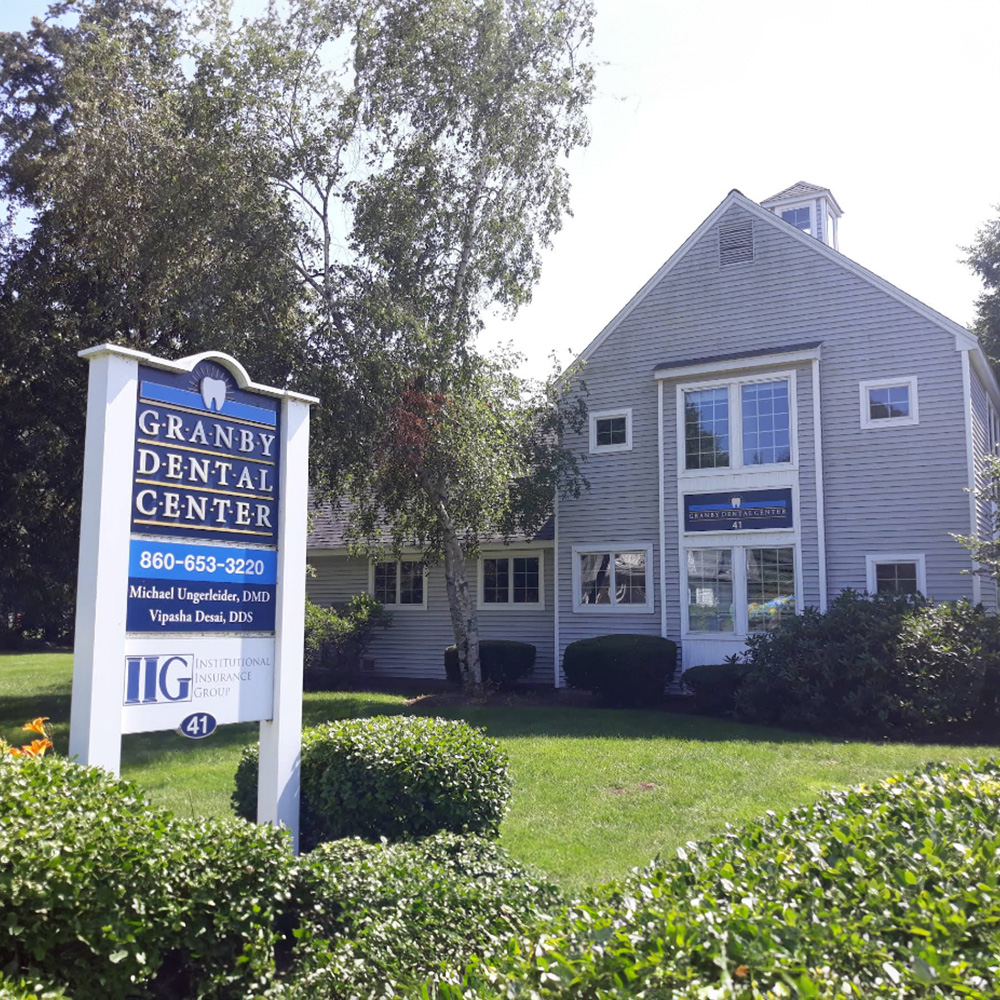
Scheduling your next visit to Granby Dental Center is quick and hassle-free. Whether you have a specific question about our services or just need to easily book a routine cleaning, our professional staff is here to provide clear answers and simple solutions.
We’ve made it easier than ever to get in touch: give us a call or use our quick online form. Don't put your oral health on the back burner, connect with us today and let us handle the details while you focus on your smile.