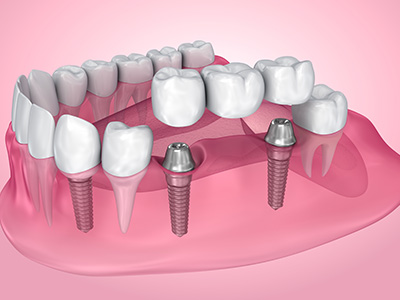
An implant-supported fixed bridge is a permanent dental restoration that replaces multiple missing teeth by anchoring a bridge directly to dental implants. Unlike removable dentures or traditional tooth-supported bridges, this solution does not rely on neighboring natural teeth for support. The implants are surgically placed into the jawbone and serve as stable posts that hold a custom-made bridge in place, restoring both appearance and function.
One of the most important distinctions of an implant-supported bridge is how it interacts with the jawbone. By transmitting chewing forces through the implants into the bone, the normal biological stimulation that preserves bone volume is maintained. This helps prevent the gradual bone loss and facial changes that often follow tooth loss, preserving a more natural contour of the jaw and lower face.
For patients seeking a long-term, low-maintenance option that closely mimics natural teeth in feel and function, an implant-supported fixed bridge is often an excellent choice. The restoration is designed to be permanently seated — patients do not remove it daily — which can make oral care routines straightforward while delivering reliable performance for everyday activities like eating and speaking.
Careful planning begins every successful implant-supported bridge. The process typically starts with a comprehensive evaluation including dental imaging and an assessment of overall oral and systemic health. This planning phase allows your dental team to determine the optimal number and placement of implants, design the bridge framework, and anticipate any preparatory procedures such as bone grafting when necessary.
Implant placement is a surgical procedure performed under local anesthesia, and in many practices it can be completed in one visit for the actual implant insertion. After placement, a healing period allows the implants to integrate with the jawbone — a biological process called osseointegration. Temporary restorations can often be provided during this phase so patients are not without teeth while healing progresses.
Once the implants have fully integrated, the restorative phase begins. Abutments are connected to the implants and impressions are taken to fabricate the final bridge. The permanent bridge is then tried in and adjusted for fit, bite, and appearance before being secured. Throughout this process, clear communication between patient and provider ensures predictable outcomes and a restoration tailored to individual needs.
Beyond the obvious cosmetic improvements, implant-supported fixed bridges deliver substantial functional benefits. Because the restoration is anchored to the jaw, it restores chewing efficiency comparable to natural teeth. Patients often find they can resume a wide variety of foods without the slipping, irritation, or reduced bite strength associated with removable prostheses.
From a health perspective, preserving the jawbone is a crucial advantage. The presence of implants maintains the mechanical stimulation necessary to keep bone volume and density, which in turn supports facial structure and prevents the "sunken" appearance that sometimes follows untreated tooth loss. This preservation contributes to long-term oral health and makes future restorative options more predictable.
Durability is another hallmark of implant-supported bridges. With proper planning, high-quality materials, and routine maintenance, these restorations are engineered to last many years. Their fixed nature also means less daily manipulation, which reduces the risk of damage associated with frequent removal and replacement required by some other prosthetic options.
Good candidates for implant-supported fixed bridges are adults who have lost multiple adjacent teeth and have sufficient bone to support implants or who are willing to undergo bone grafting to create an adequate foundation. General health factors — such as controlled medical conditions and non-smoking status — are also considered, since systemic health and lifestyle can affect healing and long-term success.
During the recovery period after implant surgery, patients can expect some localized swelling, mild discomfort, and restricted eating for a short time. These symptoms are typically manageable with prescribed or recommended medications and follow-up care. Oral hygiene, soft diets initially, and adherence to post-operative instructions play important roles in preventing complications and supporting proper healing.
Follow-up visits are scheduled to monitor integration and tissue health. Once healing is complete, the final restoration phase begins. Clear expectations about timelines and milestones — from initial evaluation to final placement — help patients prepare practically and emotionally for the process and set the stage for a successful long-term result.
Caring for an implant-supported fixed bridge requires many of the same habits recommended for natural teeth: consistent brushing, daily interdental cleaning, and routine dental examinations. Special tools such as interdental brushes, floss-threaders, or water flossers can make it easier to clean beneath and around the bridge where plaque can accumulate. Regular professional cleanings help maintain healthy tissues and identify potential issues early.
A healthy lifestyle supports implant longevity. Avoiding tobacco and managing conditions that affect healing, such as uncontrolled diabetes, reduces the risk of complications. During regular checkups, your dental team will evaluate the bridge, the condition of the implants, and the surrounding gum and bone to ensure everything remains stable and functional.
Being attentive to warning signs — persistent soreness, mobility of the restoration, or changes in bite — ensures prompt evaluation and intervention if needed. While implant-supported fixed bridges are built to be resilient, proactive maintenance and periodic professional assessments are the best strategies to maximize their lifespan and preserve overall oral health.
At Granby Dental Center, we emphasize a partnership approach to long-term care: evidence-based treatment planning, patient education, and consistent follow-up combine to keep restorations performing well and mouths healthy for years to come.
In summary, implant-supported fixed bridges offer a stable, bone-preserving alternative to removable dentures or tooth-supported bridges, restoring function and facial form with durable, permanent restorations. If you would like to learn more about whether this treatment is right for you, contact us for more information.


An implant-supported fixed bridge is a permanent dental restoration that replaces two or more adjacent missing teeth by anchoring a prosthetic bridge directly to dental implants placed in the jaw. The implants act as artificial tooth roots and support the bridge so it does not rely on neighboring natural teeth for stability. Because the bridge is fixed in place, patients do not remove it for cleaning or sleep, and it functions much like natural teeth.
This type of restoration is designed to restore chewing ability, speech, and appearance while providing long-term durability. The bridge and implant components are custom fabricated to match the patient’s bite and smile, and careful planning ensures proper fit and function. Overall, an implant-supported fixed bridge aims to replicate the look and performance of natural dentition as closely as possible.
An implant-supported bridge is anchored to dental implants embedded in the jaw, whereas a removable denture rests on the gums and a traditional bridge is supported by adjacent natural teeth. Because implants integrate with the bone, an implant-supported restoration delivers greater stability and chewing efficiency than removable options. It also avoids altering or placing added load on neighboring healthy teeth, which is often required for conventional tooth-supported bridges.
Removable dentures can shift and require periodic refitting, while implant-supported bridges are fixed and tend to provide a more natural feel during eating and speaking. In addition, implants help maintain bone stimulation and volume, a benefit that neither traditional tooth-supported bridges nor many removable dentures provide. This difference in support and biology often leads to improved long-term outcomes with implant-supported solutions.
Good candidates are adults who have lost multiple adjacent teeth and have adequate jawbone to support implants or are willing to undergo bone grafting to create a stable foundation. General health, smoking status, and conditions such as uncontrolled diabetes are evaluated because they can influence healing and osseointegration. A thorough clinical exam and imaging studies allow the dental team to determine whether implants are appropriate and to plan the number and placement of fixtures.
Patients should also be committed to maintaining oral hygiene and attending regular follow-up visits, as these behaviors support long-term success. In some cases, preparatory treatments such as periodontal therapy or bone augmentation are recommended to optimize the site before implant placement. The practice will discuss individualized treatment plans and any necessary preparatory steps during the consultation.
Treatment begins with a comprehensive evaluation that includes medical history, clinical examination, and diagnostic imaging to plan implant number and placement. Implant placement is a surgical procedure performed under local anesthesia; after insertion, a healing period of several months allows osseointegration, the process by which bone fuses to the implant surface. Temporary restorations may be provided so patients have functional teeth while the implants integrate.
Once integration is complete, abutments are attached and impressions are taken to fabricate the final bridge, which is then adjusted and secured for fit and aesthetics. Overall timelines vary with individual needs, the number of implants, and whether grafting is required, but most patients can expect the treatment sequence to span several months from initial planning to final restoration. Clear communication and staged appointments help patients understand the timeline and milestones involved.
After implant placement, patients commonly experience localized swelling, minor bleeding, and mild discomfort for a few days, which can typically be managed with prescribed or over-the-counter medications and cold compresses. Dentists provide post-operative instructions that include eating soft foods, maintaining gentle oral hygiene around the surgical site, and avoiding strenuous activity for a short period. Following these guidelines helps minimize the risk of complications and supports proper healing.
Follow-up visits are scheduled to monitor healing and ensure implants are integrating with the bone as expected, and temporary restorations are adjusted as needed. Any persistent or worsening symptoms should be reported promptly so the dental team can evaluate and intervene if necessary. Most patients return to normal routine activities within a few days, while full integration of the implants takes longer and is assessed clinically and radiographically.
In contrast, removable dentures that rest on soft tissues do not provide the same level of stimulation, and prolonged bone loss can change fit and facial contours. By stabilizing the restoration and preserving the underlying bone, implant-supported bridges contribute to both functional outcomes and long-term facial esthetics. Regular monitoring by the dental team ensures the implants and surrounding bone remain healthy over time.
A healthy lifestyle that avoids tobacco and controls systemic conditions that impair healing will also support implant success. During regular checkups the dental team evaluates the restoration, implant stability, and surrounding bone so minor issues can be addressed early. Being attentive to changes such as soreness, swelling, or a change in bite and reporting them promptly helps ensure timely care if problems arise.
If complications arise, early intervention improves the chances of resolving the issue without losing the implant or restoration, and management strategies can include improved hygiene, nonsurgical debridement, antimicrobial therapies, or surgical procedures when necessary. The dental team will explain potential risks during planning and outline how they monitor and address concerns throughout treatment. Thorough follow-up care and patient engagement are key components of complication prevention and management.
With appropriate planning, high-quality materials, and regular maintenance, implant-supported bridges can function for many years and often provide a long-term solution for tooth replacement. Wear, fracture, or loosening of components can occur over time, so routine evaluation allows for repair or adjustment when needed to prolong the restoration’s service life. Material selection and engineering aim to balance strength, aesthetics, and biocompatibility for predictable results.
During the consultation the team reviews treatment options, explains the sequence of care, and answers questions about expectations and recovery, allowing patients to make informed decisions. Clear communication and shared decision-making help tailor the plan to each patient’s goals and health circumstances. If you prefer personalized guidance, the office of Granby Dental Center can schedule an evaluation to discuss your specific needs and the recommended approach.
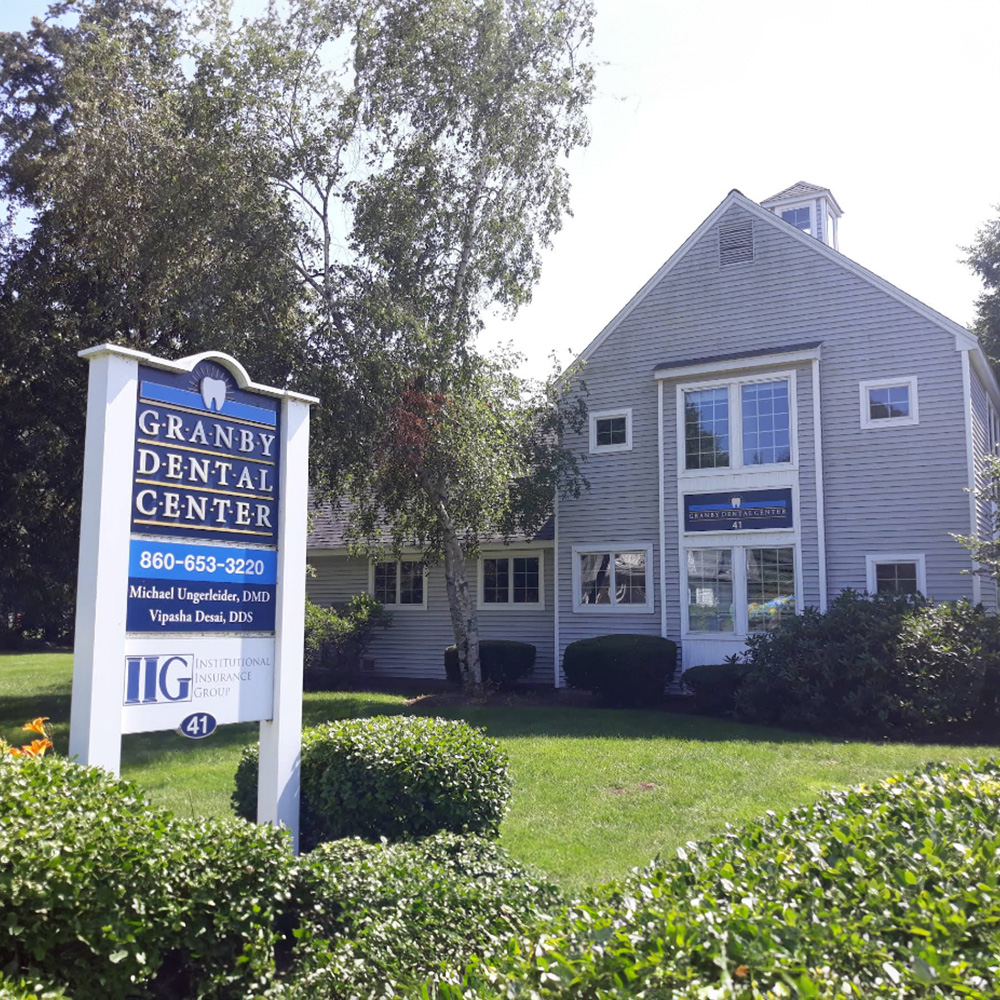
Scheduling your next visit to Granby Dental Center is quick and hassle-free. Whether you have a specific question about our services or just need to easily book a routine cleaning, our professional staff is here to provide clear answers and simple solutions.
We’ve made it easier than ever to get in touch: give us a call or use our quick online form. Don't put your oral health on the back burner, connect with us today and let us handle the details while you focus on your smile.