Gum disease is an infection of the gums surrounding your teeth and is one of the leading causes of tooth loss in adults. Because it is often painless, many people do not realize they have it. During regular checkups, your dentist will measure the space between your teeth and gums to check for early signs of periodontal disease.
Gum disease is primarily caused by a buildup of plaque, a sticky film of bacteria on the teeth. If not removed through brushing, flossing, and dental visits, plaque produces toxins that damage the gums. Periodontal disease forms just below the gum line and progresses in two stages:
Several factors can increase the likelihood of developing gum disease:
You may have gum disease even without noticeable symptoms. Some common warning signs include:
Treatment depends on the severity of the disease. Options may include:
Regular dental checkups, thorough periodontal exams, and consistent at-home oral hygiene are key to preventing gum disease. To maintain healthy gums:
With proper care, you can protect your gums, maintain a healthy smile, and reduce the risk of developing periodontal disease.


Gum disease, also called periodontal disease, is an infection of the tissues that surround and support the teeth. It begins when bacterial plaque accumulates along the gum line and triggers inflammation of the gums and deeper supporting structures. Left unchecked, this process can damage the gum attachment and the jawbone that holds teeth in place.
Gum disease ranges from reversible inflammation to advanced destruction of tissue and bone. Early gum inflammation is known as gingivitis, while more advanced, destructive disease is called periodontitis. Regular dental exams can detect early changes long before severe damage occurs.
The primary cause of gum disease is dental plaque, a sticky film of bacteria that forms on teeth and along the gum line. When plaque is not removed by brushing, flossing, and professional cleanings, it hardens into calculus and harbors bacteria that release toxins and enzymes that irritate and inflame gum tissue.
Several factors increase the risk of plaque-related disease, including tobacco use, genetic susceptibility, hormonal changes, certain medications, and chronic health conditions such as diabetes. These contributors do not cause the disease alone but can accelerate its progression and make treatment more challenging.
Early signs of gum disease often include gums that bleed easily when brushing or flossing, persistent bad breath, and gums that appear red, swollen, or tender. Many people also notice gums that seem to pull away from the teeth or a change in how their teeth fit together when they bite.
Because gum disease can be painless in its early stages, it is important for patients to watch for subtle changes and to have regular periodontal screening. If you notice any warning signs, schedule an evaluation so the condition can be addressed before it advances.
Diagnosis begins with a thorough periodontal exam that includes measuring the depth of the pockets between the teeth and gums with a periodontal probe. The dentist or hygienist will also look for bleeding on probing, assess gum recession, and review dental X-rays to evaluate bone levels around the teeth.
Comprehensive charting and a review of medical history help the dental team assess risk factors and disease activity. This information is used to create a personalized treatment plan and determine an appropriate maintenance schedule to monitor healing and prevent recurrence.
Treatment depends on disease severity and typically begins with non-surgical approaches such as improved home care, professional cleanings, and scaling and root planing to remove plaque and calculus beneath the gum line. Adjunctive therapies like localized antimicrobials or prescription rinses may be used to reduce bacterial load and promote healing.
For more advanced disease, the dental team may recommend surgical procedures to clean deep pockets, reshape bone, or regenerate lost tissue. In cases of tooth loss related to periodontitis, restorative options such as dental implants or fixed prosthetics may be considered as part of a comprehensive plan.
Early-stage gum disease, or gingivitis, is generally reversible with diligent oral hygiene and professional care, which allows the inflamed tissue to heal and return to a healthy state. Removing plaque and calculus and improving brushing and flossing habits are the first steps toward reversing early changes.
Once periodontitis has caused loss of attachment and bone, the damage may not be fully reversible, but the condition can be controlled. The primary goal for established disease is to stop progression, stabilize the supporting structures, and maintain oral health through treatment and ongoing periodontal maintenance.
Systemic conditions such as diabetes and immune disorders can increase susceptibility to gum disease and make infections harder to control. Poorly managed blood sugar, for example, is associated with greater periodontal inflammation and slower healing after treatment.
Certain medications can also impact gum health by reducing saliva flow or causing gingival overgrowth, which creates more areas for plaque to accumulate. It is important for patients to provide a complete medical and medication history so the dental team can tailor prevention and treatment strategies accordingly.
Effective prevention starts with consistent daily oral hygiene: brush twice a day with a fluoride toothpaste, clean between teeth once a day with floss or interdental cleaners, and use a soft-bristled brush to reduce gum irritation. Removing plaque effectively every day prevents it from hardening into calculus and triggering periodontal disease.
Healthy lifestyle habits also support gum health, including a balanced diet, limiting tobacco use, and managing chronic medical conditions. Regular professional cleanings and periodontal assessments are essential complements to home care and help detect and address problems early.
Routine dental visits for most patients occur every six months, but people with a history of gum disease often require more frequent periodontal maintenance visits. Many periodontal patients benefit from three-month recall intervals to control bacterial levels and monitor tissue health after treatment.
The ideal interval is determined by the dentist based on disease severity, treatment response, and individual risk factors such as smoking or diabetes. Regular periodontal charting and periodic X-rays help the team adapt the schedule to protect long-term oral health.
Initial treatment typically begins with a comprehensive evaluation, periodontal charting, and a discussion of personalized goals and options. Non-surgical therapy such as scaling and root planing is often performed under local anesthesia to clean root surfaces and reduce pocket depths, followed by scheduled reassessments to track healing.
At Granby Dental Center the team focuses on clear communication, comfort, and a stepwise approach that moves from conservative care to advanced therapies only when necessary. After active treatment, a long-term maintenance plan with regular cleanings and exams helps keep gum disease under control and protects the supporting structures of the teeth.
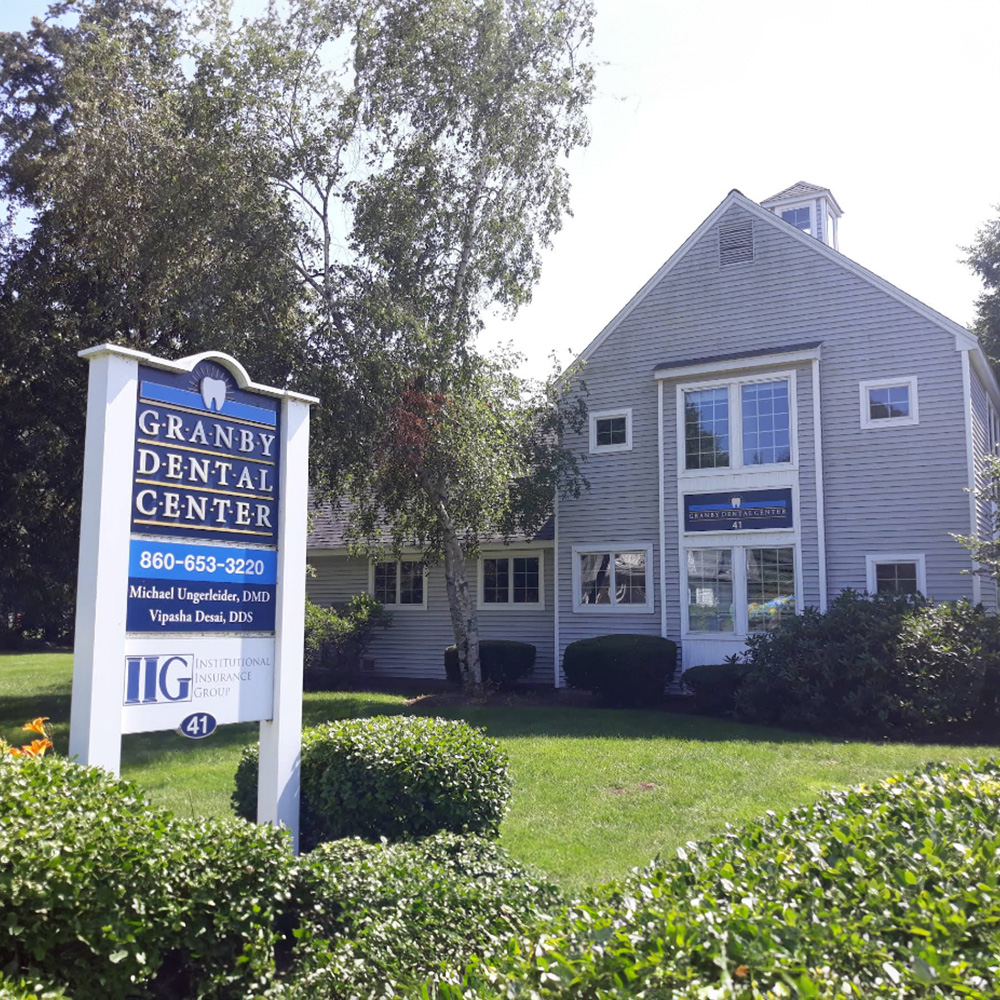
Scheduling your next visit to Granby Dental Center is quick and hassle-free. Whether you have a specific question about our services or just need to easily book a routine cleaning, our professional staff is here to provide clear answers and simple solutions.
We’ve made it easier than ever to get in touch: give us a call or use our quick online form. Don't put your oral health on the back burner, connect with us today and let us handle the details while you focus on your smile.