Feeling like your smile no longer reflects your health or confidence is more common than you might think — and there are thoughtful, reliable solutions available. At Granby Dental Center, we specialize in comprehensive restorative care that brings together dentistry’s most effective techniques to recover function, comfort, and a natural-looking appearance. Full mouth reconstruction is not a single procedure but a coordinated plan designed around your specific needs and long-term oral health goals.
Full mouth reconstruction addresses situations where multiple elements of the dental system — teeth, gums, bite alignment, and jaw joints — need simultaneous attention. Rather than treating teeth one at a time, the process looks at the mouth as a single functional unit, aiming to restore chewing ability, reduce pain or sensitivity, and replace missing or severely damaged teeth. The objective is a healthy, stable mouth that supports everyday function and comfortable oral health.
Common drivers for pursuing a full mouth reconstruction include long-term wear from grinding, extensive decay or tooth loss, traumatic injury, or complicated restorative histories that have left the bite imbalanced. Because these issues often interact, addressing them together reduces the risk of future breakdown and improves the predictability of outcomes. The approach balances structural repair with cosmetic considerations, prioritizing durable solutions that also blend with the patient’s facial features and personal preferences.
Importantly, full mouth reconstruction is tailored — not standardized. Some patients will need a sequence of restorative crowns and bridges; others will rely heavily on implant-supported prostheses, periodontal care, or orthodontic alignment. The plan is built around restoring a functional bite, protecting remaining tooth structure, and creating an aesthetic result that feels natural and lasting.
The first stage of any reconstruction is a comprehensive assessment. That usually includes a detailed oral exam, digital X-rays or 3D imaging, evaluation of your bite and jaw function, and a discussion about your goals, medical history, and comfort preferences. Putting all of this information together allows clinicians to identify immediate concerns that must be addressed and to sequence treatments intelligently so each step supports the next.
From there, the team develops a phased roadmap that can span months to a year, depending on the complexity. Early phases often prioritize treating active disease — controlling infection, stabilizing weak teeth, and resolving periodontal problems — so that restorative work rests on a healthy foundation. Subsequent phases may involve rebuilding tooth structure, placing implants, or adjusting occlusion. Throughout, decisions are guided by return-to-function principles and by maintaining or improving facial balance.
Coordination with specialists is common when orthodontics, gum surgery, or more extensive oral surgery are needed. The plan is presented clearly so you understand the rationale for each step, what to expect at each visit, and how each procedure contributes to the overall outcome. This collaborative approach improves predictability and helps manage comfort and recovery along the way.
There is no single “one-size-fits-all” restoration for full mouth cases. Your treatment may combine several restorative methods — crowns and bridges to rebuild worn or broken teeth, dental implants to replace missing roots and support fixed or removable prostheses, and precision dentures or implant overdentures when appropriate. Each option is selected for its durability, function, and compatibility with adjacent teeth and soft tissues.
Modern materials and techniques expand the possibilities for both strength and aesthetics. Porcelain, zirconia, and high-strength composite restorations can be matched to surrounding teeth while providing long-term wear resistance. When implants are part of the plan, they serve as stable anchors for individual crowns or full-arch prostheses and help preserve bone levels and facial form. The goal is to combine these technologies in a way that restores chewing efficiency and produces a balanced, natural smile.
In many plans, provisional restorations play a crucial role. These temporary mock-ups let you preview changes in aesthetics and function while giving the team an opportunity to refine details before final restorations are placed. That iterative process helps ensure the finished work meets your comfort and cosmetic expectations while remaining rooted in sound biomechanics.
Successful reconstruction is as much about how your teeth meet and how your jaw functions as it is about individual tooth replacements. An unstable bite can cause premature wear, sensitivity, headaches, and temporomandibular joint strain. Evaluating and correcting occlusion — the way teeth fit together — helps protect restorations and the remaining natural dentition over time.
Sometimes, minor orthodontic movement or occlusal equilibration is needed to achieve a harmonious bite before placing final restorations. In other cases, careful prosthetic design can recreate proper vertical dimension and support for the lips and cheeks, improving facial proportions. Clinicians consider jaw joint health, muscle function, and habitual forces like grinding when developing restoration shapes and materials so the final result is comfortable and stable.
Night guards, targeted muscle therapy, or referral to a specialist may be recommended when joint or muscle problems are present. Managing these functional aspects alongside restorative work reduces the likelihood of recurrence and contributes to a more resilient, long-lasting outcome.
Recovery timelines vary with the procedures involved. Soft-tissue healing after gum procedures or implant placement typically takes weeks to months, while adjustments for bite and comfort may continue as final restorations are fitted. During recovery, the team will provide clear instructions for oral hygiene, dietary considerations, and follow-up visits to monitor healing and make any necessary refinements.
Long-term success depends heavily on ongoing maintenance. Regular check-ups, professional cleanings, and consistent home care protect both natural teeth and restorative work. For patients who clench or grind, protective appliances and behavioral strategies can help preserve restorations. When implants are used, routine monitoring of the surrounding gum and bone health is essential to ensure continued stability.
Many patients find that full mouth reconstruction not only restores function but also simplifies daily care by replacing multiple failing restorations with cohesive, easier-to-maintain solutions. With careful planning and routine maintenance, the improvements can provide years of reliable function and confidence.
In summary, full mouth reconstruction is a comprehensive, individualized approach to restoring a healthy, functional, and natural-looking smile. The process combines careful diagnostics, coordinated treatment phases, and modern restorative techniques to address complex dental needs. If you’d like to learn more about how a customized reconstruction plan could help you, contact us for additional information and to arrange a consultation at Granby Dental Center.

Full mouth reconstruction is a comprehensive, individualized dental treatment plan that restores the health, function and appearance of the entire mouth. It combines multiple disciplines—restorative dentistry, periodontics, implant dentistry and, when needed, orthodontics or oral surgery—to address teeth, gums, bite alignment and jaw function as a unit. Rather than performing isolated procedures, clinicians sequence treatments so each step supports the next and improves long-term predictability.
The goals are to re-establish chewing efficiency, relieve pain or sensitivity, replace missing or severely damaged teeth and create a natural-looking smile that complements facial structure. Treatment may include crowns, bridges, implants, precision dentures, periodontal therapy and occlusal adjustments depending on the patient’s needs. At the office of Granby Dental Center, plans are tailored to individual health status and aesthetic priorities so results are both functional and durable.
Candidates often have multiple dental problems that interact, such as widespread decay, advanced wear from grinding, multiple missing teeth or compromised periodontal health. Repeated restorative failures, bite collapse, chronic sensitivity or jaw pain are common reasons to consider a coordinated reconstruction approach. A thorough clinical exam and imaging help determine whether comprehensive rehabilitation is the most appropriate option.
Good candidacy also depends on overall medical health, oral hygiene habits and willingness to follow a staged treatment plan, which can include preparatory care and specialist referrals. Habits like bruxism or smoking, and systemic conditions that affect healing, are evaluated and managed as part of treatment planning. Ultimately, candidacy is decided after diagnostic workup and a discussion of realistic goals and expected outcomes.
Planning begins with a comprehensive diagnostic evaluation that typically includes a detailed oral exam, digital x-rays or CBCT imaging, photographs and dental impressions or digital scans. Clinicians assess tooth structure, periodontal status, occlusion, jaw joint function and facial proportions to create a complete picture of needs and limitations. This information is combined with medical history and patient goals to prioritize urgent issues and map a phased treatment sequence.
Diagnostic tools may include bite registrations, study models and functional records to record how the teeth meet and how the jaw moves, which guides prosthetic design. A proposed roadmap is presented so patients understand the timing, rationale and how each procedure contributes to the overall result. When appropriate, the team coordinates care with orthodontists, periodontists or oral surgeons to improve predictability and efficiency.
Restorative options commonly used in full mouth reconstruction include crowns and bridges, implant-supported crowns or full-arch prostheses, precision dentures and composite or porcelain restorations. Material choices such as porcelain, zirconia and high-strength composites are selected for strength, wear resistance and aesthetics. Treatment is designed to protect remaining tooth structure while restoring proper function and facial support.
Provisional restorations play a critical role by allowing the team and patient to evaluate aesthetics, phonetics and bite before final restorations are fabricated. Provisional phases enable adjustments to shape, contour and vertical dimension to ensure comfort and long-term stability. Final selections balance durability with a natural appearance that integrates with surrounding tissues.
Dental implants serve as artificial tooth roots and are often integral to full mouth reconstruction when one or more teeth are missing or nonrestorable. Implants provide stable support for single crowns, implant bridges or full-arch fixed and removable prostheses and help preserve jawbone over time. Using implants can improve chewing efficiency and reduce the need to alter adjacent healthy teeth.
Implant treatment requires careful planning with 3D imaging to assess bone volume, nerve locations and sinus anatomy, and may include bone grafting or ridge augmentation when necessary. After surgical placement, implants require a period of healing for osseointegration before final prostheses are attached. Long-term success depends on proper oral hygiene, regular monitoring and appropriate prosthetic design.
Addressing bite and temporomandibular joint (TMJ) health is essential because an unstable occlusion can cause premature wear, pain and failure of restorations. Clinicians evaluate jaw joint function, muscle activity and habitual forces such as grinding during the diagnostic phase. In many cases, temporary splints, muscle therapy or minor orthodontic adjustments are used to stabilize function before definitive restorations.
Occlusal equilibration and careful prosthetic design help distribute forces evenly and protect both natural teeth and restorations over time. When TMJ disorders are significant, collaboration with a specialist may be necessary to address joint pathology prior to or during reconstruction. Managing functional issues alongside restorative goals reduces recurrence and improves the durability of the final result.
The length of a full mouth reconstruction varies with complexity and may range from several months to a year or more when implant healing and staged procedures are required. Initial phases prioritize controlling infection and stabilizing tenuous teeth, while later phases rebuild structure and finalize occlusion and aesthetics. Regular follow-up visits allow adjustments to provisional restorations and monitoring of tissue healing.
Recovery from individual procedures differs: soft-tissue healing after periodontal surgery or extractions may take weeks, whereas implant integration can take months before final restoration. Patients may experience temporary sensitivity, swelling or changes in diet during healing, and the team provides specific home care and follow-up instructions. Planned intervals between stages support safe healing and predictable outcomes.
At the initial consultation you can expect a focused conversation about your dental history, current concerns and aesthetic goals alongside a full clinical evaluation. The clinician will review imaging, document your bite and take photographs or digital scans to inform the proposed plan. This visit is an opportunity to discuss functional symptoms such as difficulty chewing, sensitivity or jaw pain that influence treatment priorities.
The team will explain recommended diagnostic steps and outline a phased treatment roadmap tailored to your needs, including potential referrals to specialists when indicated. You will receive information on what to expect at each stage, typical recovery considerations and how provisional restorations are used to test changes. Questions about risks, benefits and alternatives are encouraged so you can make an informed decision about proceeding.
Long-term maintenance is essential to protect both natural teeth and restorations and typically includes regular checkups, professional cleanings and consistent home care. Protective measures such as night guards for patients who grind and targeted hygiene techniques for implant care help preserve results. Ongoing monitoring also detects early signs of wear, gum disease or prosthetic issues so they can be managed promptly.
At Granby Dental Center, routine follow-ups focus on evaluating restorations, checking peri-implant tissues and performing professional cleaning to maintain oral health. Timely adjustments and periodic prosthetic maintenance minimize complications and extend the functional life of restorations. Patient adherence to scheduled visits and home care recommendations is a key factor in long-term success.
As with any major dental treatment, full mouth reconstruction carries potential risks such as sensitivity, infection, delayed healing, prosthetic complications or, in rare cases, implant failure. Individual risk depends on factors like medical history, smoking, bone quality and oral hygiene. Many of these risks are reduced through careful diagnostics, staged treatment and appropriate material selection.
Risks are minimized through thorough diagnostics, staged treatment and specialist collaboration, but patients should understand the potential for adjustments, repair or additional treatment in response to healing or changing oral conditions. Open communication with the dental team and adherence to follow-up care improve outcomes and allow prompt management of complications. Your clinician will discuss specific risks and how they apply to your case during treatment planning so decisions are made with full information.
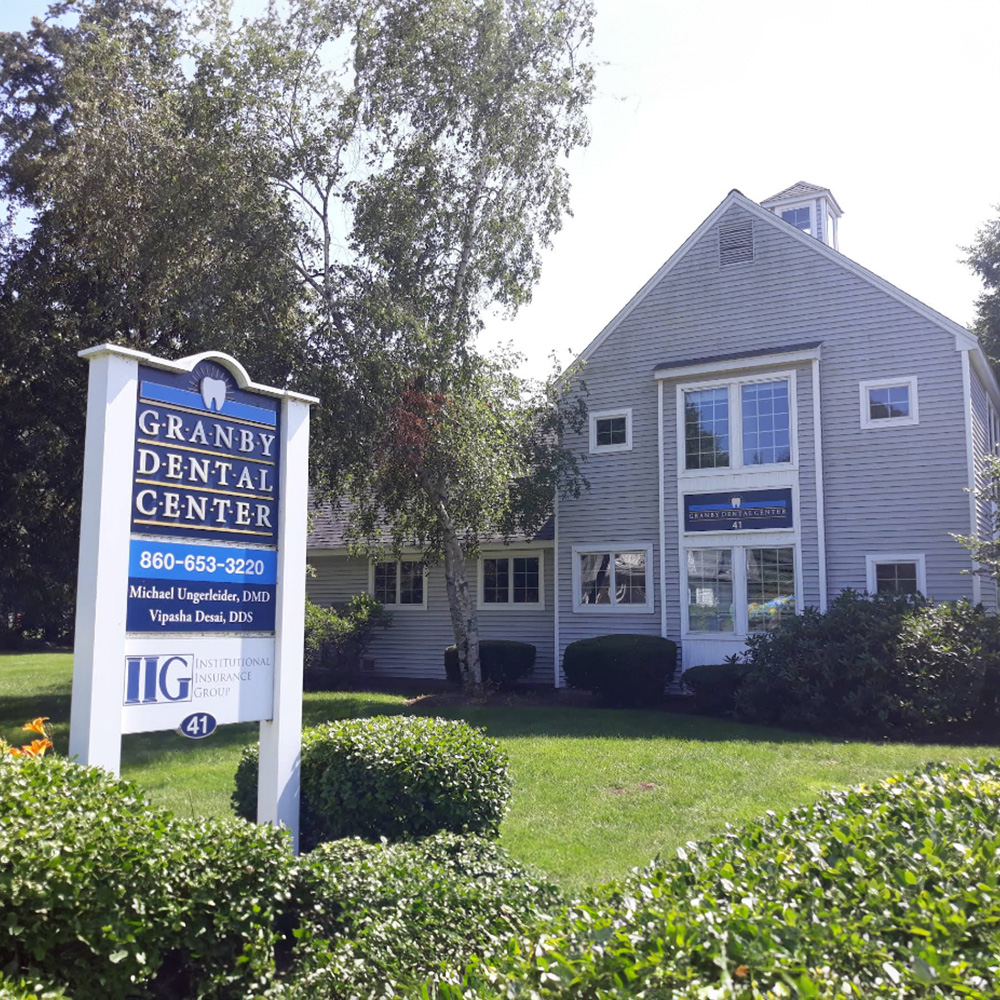
Scheduling your next visit to Granby Dental Center is quick and hassle-free. Whether you have a specific question about our services or just need to easily book a routine cleaning, our professional staff is here to provide clear answers and simple solutions.
We’ve made it easier than ever to get in touch: give us a call or use our quick online form. Don't put your oral health on the back burner, connect with us today and let us handle the details while you focus on your smile.