Fluoride is a mineral that plays a central role in preventing tooth decay by strengthening the outer layer of the tooth, the enamel. When teeth are exposed to acidic byproducts from bacterial metabolism of sugars, the enamel can lose minerals in a process called demineralization. Fluoride helps interrupt that process by integrating into the tooth surface and making enamel more resistant to acid attack. Over time, this action reduces the likelihood that small areas of decay will progress into cavities that require restorations.
Beyond resistance, fluoride also supports remineralization — the natural repair process in which minerals are redeposited into weakened enamel. Low concentrations of fluoride present in saliva and topical fluoride applied professionally or through home products work together to restore mineral content and help reverse very early decay. This dual effect — protection plus repair — is why fluoride is a foundational element in modern preventive dentistry.
Because fluoride acts at the tooth surface and in the mouth’s environment, it complements good daily habits like brushing, flossing, and limiting sugary snacks. It is not a standalone cure, but when combined with routine hygiene and professional care, fluoride is one of the most effective, evidence-based tools clinicians use to reduce lifetime risk of cavities.
Professional fluoride applications are quick, targeted procedures performed during routine dental visits. A dental hygienist or dentist first ensures the teeth are clean so the fluoride can make direct contact with the enamel. The fluoride product is then applied in one of several formats — commonly a varnish, gel, or foam — depending on the patient’s age, sensitivity, and clinical needs. Each format is designed to maximize fluoride uptake while minimizing discomfort or swallowing.
When varnish is used, a small amount of material is painted onto the tooth surfaces and hardens on contact, allowing fluoride to remain concentrated on enamel for an extended period. Gels and foams may be delivered in trays that fit over the teeth for a short time; these are typically used when a higher fluoride concentration is needed. The overall process is brief, usually a few minutes, and requires minimal preparation or post-procedure restrictions.
After application, clinicians will give simple care instructions tailored to the product used. For example, some varnishes require avoiding eating hard or sticky foods for a short period, while tray-based treatments might advise waiting before rinsing. These measures ensure the fluoride remains on the enamel long enough to be effective. The procedure is painless, noninvasive, and an efficient addition to preventive checkups.
Children are often the focus of fluoride programs because their developing teeth and dietary habits can leave them vulnerable to decay. Primary (baby) teeth play important roles in nutrition, speech development, and maintaining space for adult teeth; protecting them matters. For many children, periodic professional fluoride treatments provide an extra layer of defense while home-care routines are being established. Pediatric dosing and application methods are selected with safety and the child’s comfort in mind.
Adults also benefit from fluoride, particularly those with higher risk factors for decay. Risk factors include a history of multiple cavities, reduced saliva flow (which reduces the mouth’s natural buffering capacity), orthodontic appliances that trap plaque, and certain medical conditions or medications that increase susceptibility. In these situations, clinicians may recommend more frequent topical fluoride applications or prescribe high-fluoride products for home use to help control progression of early decay.
Older adults and people with restorations should also consider fluoride as part of long-term maintenance. As restorations age or gum recession exposes root surfaces, those areas can be more prone to decay. A personalized fluoride plan — informed by a professional risk assessment — helps patients of every age maintain stronger, more resilient teeth over time.
Fluoride’s safety and effectiveness have been evaluated in extensive clinical and population studies. When used according to professional guidelines and in appropriate amounts for age and risk, topical fluoride applications are considered safe and beneficial. The small, controlled doses used in-office treatments are specifically designed to minimize systemic exposure while delivering a concentrated benefit to tooth enamel.
Despite the strong evidence base, fluoride can be the subject of misconceptions. Important clarifications include the difference between topical and systemic exposure and why professional topical treatments focus on applying fluoride directly to teeth rather than increasing ingestion. Clinicians tailor fluoride recommendations to reduce the risk of overexposure, especially in very young children, by using age-appropriate products and techniques.
If patients or caregivers have questions about safety, dosage, or how fluoride fits into an overall care plan, a dentist can provide clear, evidence-based information. Discussing any concerns with your dental professional ensures that fluoride is used in a way that maximizes benefit while respecting individual health needs and circumstances.
Preparing for a professional fluoride application is straightforward. Typically, the dental team will perform a routine cleaning and exam first, which removes plaque and allows the fluoride to contact the tooth surface directly. If there are signs of sensitivity or specific areas of concern, the clinician will note those and may adjust the approach. No fasting or special preparation is required, and children and adults alike usually find the procedure simple and quick.
Immediately after treatment, patients might notice a slightly tacky feeling from varnish or a minty taste from gels; both sensations subside quickly. For certain types of fluoride applications, clinicians may advise avoiding hot beverages, chewing on hard foods, or brushing for a short period to allow the fluoride to be absorbed into the enamel. These easy-to-follow steps help the treatment achieve its intended protective effect.
Fluoride is most effective when it is part of a comprehensive preventive strategy. Regular dental visits, daily oral hygiene, dietary awareness, and personalized fluoride recommendations work together to lower decay risk. Your dental team will discuss an appropriate schedule for professional fluoride applications based on your individual risk profile, making it a practical and efficient component of long-term oral health care.
At Granby Dental Center, we view fluoride treatment as a proactive, science-backed measure to preserve enamel and reduce the need for restorative work. If you’d like to learn whether professional fluoride is right for you or your child, please contact us for more information.


Fluoride treatment is a topical preventive procedure that strengthens tooth enamel and helps slow or reverse early decay. The mineral integrates into the enamel surface and makes teeth more resistant to acid produced by bacteria when they metabolize sugars. This process both protects against further mineral loss and supports remineralization where enamel has begun to weaken.
Topical fluoride works in concert with saliva and daily hygiene habits to maintain a protective environment in the mouth. Professional applications deliver a higher, controlled concentration of fluoride directly to tooth surfaces for a short time, maximizing uptake while minimizing systemic exposure. As part of routine care, this targeted approach reduces the likelihood that small lesions will progress into cavities requiring restorations.
Professional fluoride is recommended for a broad range of patients, with particular emphasis on those at elevated risk for tooth decay. Children whose teeth are still developing, individuals with a history of multiple cavities, people with reduced saliva flow, and patients undergoing orthodontic treatment commonly benefit from topical applications. Risk assessment during routine exams helps clinicians tailor recommendations to each patient’s needs.
Older adults and people with exposed root surfaces or failing restorations may also be advised to receive fluoride more frequently to protect vulnerable areas. Clinicians consider factors such as diet, medication use, oral hygiene, and medical history when developing a preventive plan. This personalized approach ensures that fluoride is used where it will offer the greatest protective value.
Professional fluoride applications are quick and noninvasive procedures performed during a regular dental visit. After a cleaning and exam to remove plaque and surface debris, the clinician applies fluoride in the form of varnish, gel, or foam depending on the patient’s age and clinical needs. Varnishes are painted on and harden on contact, while gels and foams are often placed in trays that sit over the teeth for a few minutes.
The process usually takes only a few minutes and requires little to no preparation, and clinicians provide simple aftercare instructions based on the product used. Careful technique minimizes swallowing and maximizes contact between fluoride and enamel. For patients with sensitivity or specific concerns, the team will adjust the product choice and application method to improve comfort and effectiveness.
The recommended frequency of professional fluoride applications depends on an individual risk assessment rather than a one-size-fits-all timetable. Patients at low risk for decay may need fluoride only during routine checkups, while those at higher risk—such as children with frequent cavities, people with dry mouth, or patients with orthodontic appliances—may benefit from treatments every three to six months. Your dental team will evaluate oral health, caries history, and lifestyle factors to set an appropriate schedule.
Clinicians may also prescribe high-fluoride products for at-home use when more frequent exposure is warranted between office visits. Combining in-office treatments with tailored home-care regimens offers a layered defense against decay. Regular reassessment ensures that the plan evolves as a patient’s risk profile changes over time.
When used according to professional guidelines and with age-appropriate products, topical fluoride applications are safe and effective for children. Clinicians select formulations and concentrations specifically designed for pediatric use and take care to limit ingestion during application. These precautions reduce the risk of excessive systemic fluoride exposure while delivering protective benefits directly to developing teeth.
Parents are encouraged to discuss any concerns with their child’s dental provider so dosing and technique can be adjusted as needed. In addition to in-office treatments, providers will often review proper use of fluoridated toothpaste and other home-care measures to balance safety with protective benefit. This oversight helps ensure that fluoride supports healthy tooth development without unnecessary risk.
Yes, adults commonly benefit from topical fluoride, particularly when risk factors for decay are present. Conditions such as dry mouth from medications, receding gums that expose root surfaces, a history of frequent cavities, or challenges cleaning around restorations and orthodontic appliances can increase susceptibility to decay. In these situations, professional fluoride helps harden enamel and protect vulnerable areas.
Dentists may recommend more frequent in-office treatments or prescribe high-fluoride toothpastes or gels for home use to manage active risk. The goal is to stabilize early lesions, prevent progression, and reduce the need for restorative procedures. An individualized plan based on a thorough exam offers the most reliable protection for adult patients.
After a topical fluoride application you may notice a slightly tacky feeling from varnish or a mild taste from gels and foams; these sensations typically fade quickly. Clinicians will provide specific aftercare instructions tailored to the product used, which may include avoiding hot beverages, hard or sticky foods, or brushing for a short period to allow fluoride to remain on the enamel. Following these simple steps helps maximize the treatment’s effectiveness.
There is no downtime and most patients return to normal activities immediately. If you experience unusual discomfort, prolonged sensitivity, or other concerns, contact your dental team for evaluation. Routine follow-up visits allow clinicians to monitor the treated areas and adjust preventive strategies as needed.
Fluoride plays an important role in protecting tooth structure adjacent to restorations and around orthodontic appliances where plaque can accumulate. Topical fluoride helps strengthen enamel at restoration margins and on exposed root surfaces, reducing the risk of recurrent decay. For patients with braces or other fixed appliances, professional and prescribed fluoride products can help counteract the increased cariogenic challenge caused by trapped food and plaque.
Clinicians may recommend supplemental fluoride measures such as varnish applications, high-fluoride toothpaste, or fluoride gels to provide additional protection in these situations. Careful application and an individualized preventive plan ensure that fluoride products complement restorative care and orthodontic treatment. Regular monitoring helps detect early changes so treatment can be adapted promptly.
Topical fluoride refers to products applied directly to the teeth, such as varnishes, gels, and prescription-strength home-use preparations, while systemic fluoride is ingested through community water fluoridation or dietary supplements. Topical applications deliver concentrated fluoride to the enamel surfaces where it can be taken up locally, promoting remineralization and strengthening at-risk areas. Fluoridated water and toothpaste provide a background level of fluoride that supports ongoing enamel maintenance.
Both approaches are complementary: community fluoridation and fluoridated toothpaste offer broad, everyday protection, whereas professional topical treatments provide targeted, higher-concentration exposure for patients with elevated risk. Dentists assess the overall fluoride exposure from all sources and recommend a combination that maximizes benefit while avoiding unnecessary excess. This balanced approach helps maintain optimal oral health across the lifespan.
Topical fluoride side effects are uncommon when products are used correctly, but patients should follow professional guidance to minimize risks. Acute overexposure from in-office treatments is rare because clinicians use controlled doses and careful techniques to limit swallowing. Mild, temporary irritation or increased tooth sensitivity can occur in some cases, and these issues usually resolve without intervention.
Chronic overexposure typically relates to excessive ingestion of fluoride over time and is most relevant to systemic sources during tooth development. If you have concerns about fluoride intake or notice unusual symptoms, discuss them with your dental professional so exposure from water, toothpaste, supplements, and professional treatments can be reviewed. Your dental team will adjust recommendations to maintain effective prevention while protecting overall health.
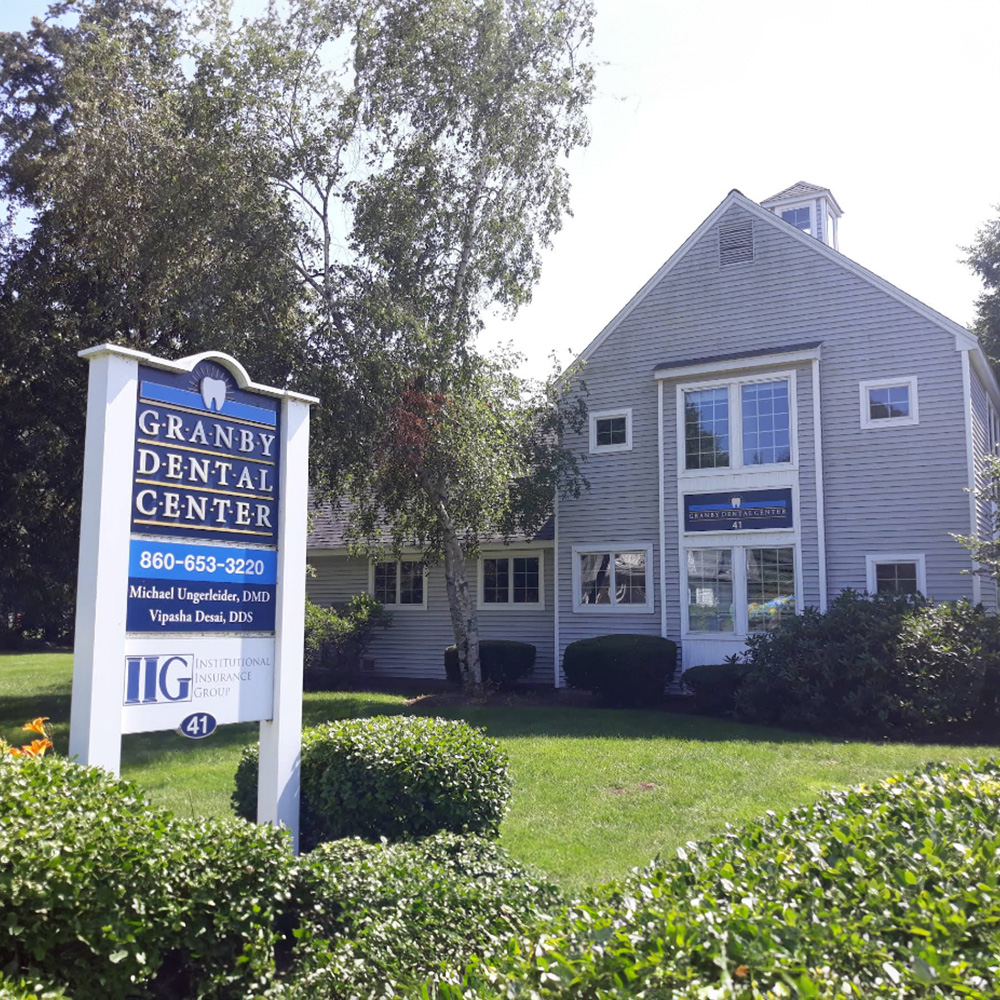
Scheduling your next visit to Granby Dental Center is quick and hassle-free. Whether you have a specific question about our services or just need to easily book a routine cleaning, our professional staff is here to provide clear answers and simple solutions.
We’ve made it easier than ever to get in touch: give us a call or use our quick online form. Don't put your oral health on the back burner, connect with us today and let us handle the details while you focus on your smile.