Dental problems range from minor annoyances to urgent conditions that require immediate attention. If you encounter sudden, severe tooth pain, uncontrolled bleeding, a knocked-out tooth, or significant swelling around the face or neck, these are signs that prompt professional care is needed. Early intervention can prevent complications and improve the chances of saving a natural tooth.
Not every dental discomfort qualifies as an emergency, but certain red flags should never be ignored: pain that interferes with sleep or daily activities, fever accompanying oral pain, difficulty breathing or swallowing, and visible signs of infection such as pus or rapidly spreading swelling. When these symptoms appear, seeking urgent evaluation reduces the risk of more invasive treatment later on.
Our team responds to emergencies with the same attention to safety and comfort we provide for routine care. If you require immediate assistance, Granby Dental Center maintains protocols to triage and treat urgent cases efficiently, focusing on pain relief, infection control, and protecting long-term oral health.
While you arrange to see a dental professional, there are safe, practical measures that can help manage pain and limit further damage. Rinse gently with warm salt water to clean the area, apply a cold compress to reduce swelling, and use over-the-counter pain relievers as directed to control discomfort. Avoid placing aspirin or other medications directly on the gums or tooth surface, as this can irritate soft tissues.
If a tooth has been knocked out, time is critical. Hold the tooth by the crown (not the root), rinse it briefly with water if it's dirty, and attempt to reinsert it into the socket if possible. If reinsertion isn’t feasible, store the tooth in milk, saline, or the patient’s saliva and bring it to the appointment—these steps improve the likelihood that the tooth can be successfully replanted.
For broken restorations, lost crowns, or loose fillings, try to keep fragments and bring them with you. Temporary measures—like placing a small piece of clean gauze over an exposed area or using a dental-safe wax—can offer short-term relief. However, these are stopgap solutions and should be followed by professional evaluation to determine definitive treatment.
Dental emergencies present in many forms, and our priority is to diagnose quickly and provide targeted care. Typical urgent issues include severe toothaches caused by decay or infection, chipped or fractured teeth, dental abscesses, displaced or knocked-out teeth, and problems with crowns, fillings, or dentures that compromise function or comfort. Soft-tissue injuries and signs of oral infection also require timely attention.
When you arrive for emergency care, we prioritize stabilizing the condition—controlling infection and pain first—then discuss restorative options. A small cavity causing pain may be treated with a filling or bonding; a fractured tooth might need a crown to return strength and function; and when an infection has reached the pulp, root canal treatment can often save the tooth while eliminating pain.
In cases where preservation isn’t possible, we discuss appropriate replacement choices. Modern solutions—such as dental implants, fixed bridges, and removable prostheses—allow restoration of appearance and chewing ability. Treatment planning considers the patient’s overall health, the condition of surrounding teeth, and the desired long-term outcome.
Emergency visits begin with a focused assessment to identify the immediate problem and any underlying causes. This typically includes a clinical exam and, when indicated, diagnostic imaging to reveal the extent of damage or infection. From there, we develop a treatment plan aimed at relieving pain quickly and minimizing the risk of further complications.
Pain control and infection management are essential first steps. Depending on the situation, this may involve local anesthetic, antibiotics, and anti-inflammatory measures. For many injuries, conservative procedures such as bonding or a temporary restoration can restore function and comfort while a definitive plan is arranged. If the tooth’s nerve is compromised, root canal therapy is a common, effective option to preserve the tooth.
When extraction is necessary, we take measures to make the process as comfortable as possible and discuss replacement options at the appropriate time. Throughout treatment, our team explains each step so you understand what’s happening and what follow-up care will be needed. Clear communication helps reduce anxiety and supports better outcomes.
After emergency treatment, careful at-home care supports healing and reduces the likelihood of recurrent problems. Follow instructions for oral hygiene, take medications as prescribed, and avoid chewing on the treated side until directed otherwise. Minor swelling and sensitivity are common after urgent procedures; these usually resolve within a few days with proper care.
Long-term prevention focuses on reducing risk factors and protecting vulnerable teeth. Regular dental checkups, consistent brushing and flossing, and prompt attention to minor issues can prevent many emergencies. Athletes and individuals in high-risk activities should use protective mouthguards to guard against traumatic injuries, and people with history of bruxism (tooth grinding) may benefit from nightguard therapy.
When a tooth is lost, modern restorative options can restore function and confidence. Dental implants are widely regarded as the most advanced method for replacing missing teeth, offering a durable, natural-feeling result. Our team will review the appropriate solutions for your situation and outline the sequence of care to achieve a stable, lasting restoration.
In every urgent case, the goal is the same: stop pain, control infection, preserve oral structures when possible, and plan a lasting recovery. If you’re facing an oral emergency, the practice is prepared to act promptly and compassionately on your behalf.
To learn more about how we handle urgent dental needs or to request emergency care, please contact us for more information.


Seek emergency dental care when you experience sudden, severe tooth pain, uncontrolled oral bleeding, a knocked-out tooth, or significant swelling around the face or neck. Other urgent signs include difficulty breathing or swallowing, fever with oral pain, visible pus, or rapidly spreading swelling. These symptoms can indicate infection or trauma that requires prompt professional attention to reduce complications.
Timely evaluation helps protect long-term oral health and increases the chance of saving a natural tooth. The team is trained to triage urgent cases quickly, prioritize pain relief and infection control, and plan definitive treatment. If you are unsure whether a problem is urgent, it is best to contact your dental provider for guidance.
Time is critical when a tooth is avulsed, so act quickly but calmly. Pick up the tooth by the crown, avoid touching the root, rinse it briefly with water if it is dirty, and attempt to reinsert it into the socket if you can do so without force.
If reinsertion is not possible, store the tooth in milk, saline, or the patient s saliva and bring it with you to the appointment; these storage methods improve the likelihood of successful replantation. Bring any tooth fragments and come in as soon as possible because success rates decline with time.
Begin with gentle measures such as rinsing the mouth with warm salt water and applying a cold compress to the outside of the cheek to reduce swelling. Over-the-counter pain relievers like acetaminophen or ibuprofen can help control discomfort when taken as directed, but avoid placing medications directly on the gums or exposed tooth roots.
Avoid chewing on the affected side and stay away from very hot or cold foods until you receive care. If pain remains severe, is accompanied by fever, or swelling spreads, seek urgent dental evaluation to address possible infection or deeper injury.
An emergency room can stabilize life-threatening conditions such as severe bleeding, airway compromise, or systemic infection with high fever. ER staff focus on addressing immediate medical risks and may provide pain control, antibiotics, or initial stabilization.
For definitive dental treatment like replantation, root canal therapy, or restoration of broken teeth, you should follow up with a dental professional. Contacting your dentist or dental practice for urgent dental care often leads to faster, more targeted treatment for oral problems.
Emergency dental care focuses first on relieving pain and controlling infection through local anesthetic, drainage of any abscess, and prescription of antibiotics when indicated. Temporary restorations or bonding may protect fractured teeth and allow immediate comfort while a long-term plan is arranged.
When the nerve is involved, root canal therapy is a common solution to preserve the tooth, whereas extraction may be required if the tooth is nonrestorable. After stabilization, the dentist will review restorative options and schedule any necessary follow-up to complete treatment.
Diagnosis begins with a focused clinical exam and imaging when needed to determine the extent of infection. If an abscess is present, treatment may include drainage, appropriate antibiotics, and measures to control pain and swelling.
Root canal therapy often eliminates the source of infection while preserving the tooth, but extraction may be recommended if the tooth cannot be saved. Close follow-up is important to ensure the infection resolves and to plan definitive restorative care when appropriate.
Bring any broken tooth fragments, a knocked-out tooth stored correctly, a list of current medications, and relevant medical history. If you wear removable appliances such as dentures or a mouthguard, bring them along so the clinician can assess related issues.
Expect a focused assessment to identify immediate problems, diagnostic imaging if indicated, and treatment to control pain and infection. The team will explain the next steps and schedule follow-up care to complete any necessary restorative work.
Recovery varies by procedure but minor restorations and temporary treatments often cause only a few days of sensitivity or mild swelling. Simple soft-tissue injuries generally improve within several days with proper home care and any prescribed medications.
More involved procedures, such as extractions or root canal therapy, can result in soreness for several days to a week and may require one or more follow-up visits. Following aftercare instructions, maintaining oral hygiene, and attending scheduled appointments help ensure a smooth recovery.
Many teeth can be saved when treated promptly using procedures such as root canal therapy, crowns, or splinting of displaced teeth. The extent of the injury, time elapsed since the trauma, and the tooth s structural condition all influence the likelihood of preservation.
If preservation is not feasible, the dental team will discuss appropriate replacement options and the sequence of care to restore function and appearance. Treatment planning considers the patient s overall health and the condition of surrounding teeth to achieve the best long-term result.
Routine dental checkups and consistent home oral hygiene help identify and treat small problems before they become urgent. Using a properly fitted mouthguard for sports and addressing habits like bruxism with nightguard therapy reduces the risk of traumatic and wear-related injuries.
Address chips, cracks, or persistent sensitivity promptly rather than waiting, and follow professional recommendations for preventive care. Granby Dental Center emphasizes proactive care and patient education to lower the chances of future emergencies and to protect long-term oral health.
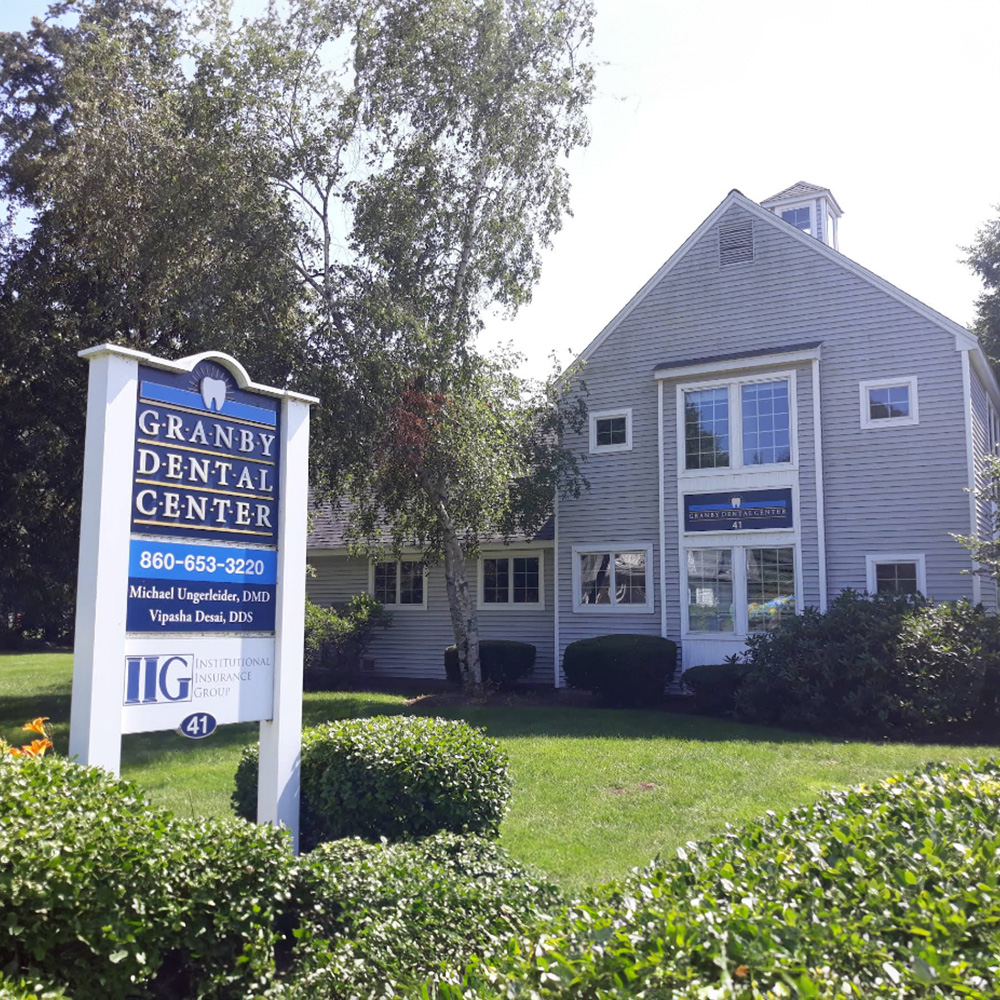
Scheduling your next visit to Granby Dental Center is quick and hassle-free. Whether you have a specific question about our services or just need to easily book a routine cleaning, our professional staff is here to provide clear answers and simple solutions.
We’ve made it easier than ever to get in touch: give us a call or use our quick online form. Don't put your oral health on the back burner, connect with us today and let us handle the details while you focus on your smile.