Advances in dental materials and laboratory techniques have made replacing missing teeth more effective and more natural-looking than ever. While dental implants and fixed bridgework are excellent options for many people, removable dentures remain a dependable and flexible choice when restoring a complete, functional smile.
At Granby Dental Center, we craft dentures using durable, high-quality materials and thoughtful design so each prosthesis fits comfortably and supports natural facial contours. Our approach focuses on function and aesthetics alike — helping patients speak clearly, chew with confidence, and enjoy a balanced, attractive smile.
We believe restoration should be tailored to a person’s oral health, daily needs, and long-term goals. Our team works with patients to explore options that preserve remaining teeth when possible and to create removable solutions when they are the most appropriate path to a healthy, restored mouth.
Losing one or more teeth has consequences that reach beyond the gap you can see. A missing tooth affects the way surrounding teeth bear chewing forces, often causing adjacent teeth to drift or tilt. Over time those shifts can change bite relationships and make it harder to keep the mouth clean enough to prevent further loss or decay.
Functionally, the absence of teeth can make chewing less efficient and limit the variety of foods a person can comfortably eat. This can lead to dietary compromises that affect nutrition and overall well-being. Speech patterns can change, too — especially when anterior teeth are missing — which may make communication less clear or confident.
There are also aesthetic and structural effects to consider. Without tooth roots to stimulate the jawbone, the bone will remodel and resorb gradually, which can thin facial support and create a sunken or aged appearance. Replacing teeth with an appropriately designed denture helps restore facial contours and provides support for lips and cheeks, improving both looks and function.
Removable dentures are prosthetic devices designed to replace missing teeth and the gum-colored structures that support them. They are held in place by an intimate fit with the gums, by clasps that engage remaining teeth, or by attachments to implants when extra stability is needed. The visible portion consists of lifelike artificial teeth set into a base that mimics the natural gum tissues.
One of the primary advantages of removable dentures is their versatility. They can be fabricated to replace a single tooth area, several missing teeth, or an entire dental arch. Because they can be removed, cleaning both the appliance and the supporting tissues is straightforward, which helps with hygiene and long-term tissue health.
Removable prostheses are not one-size-fits-all; designs vary according to the number of remaining teeth, the health of those teeth, and the shape and resilience of the gums and jawbone. When teeth remain and are healthy, a partial denture can preserve them; when a whole arch is missing, a complete denture restores the full dental function for that arch.

Selecting the appropriate type of denture begins with a thorough clinical evaluation. We review remaining teeth, gum health, jawbone condition, and your personal goals for comfort and appearance. These factors guide whether a partial, a full denture, or an implant-assisted prosthesis will best meet your needs.
Complete (full) dentures replace all teeth in one arch and are crafted to restore function and facial support when no natural teeth remain. Partial dentures fill in for several missing teeth while preserving healthy teeth that can help stabilize the appliance. Each option is customized — from the base material and tooth arrangement to how retention and stability are achieved.
When appropriate, we also evaluate options that blend removable appliances with implants. Implant-retained or implant-supported dentures offer improved control and reduced movement, which can significantly enhance chewing comfort and confidence for many patients. The choice depends on medical history, tissue health, and the outcomes you most value.
Complete dentures are the solution when an entire dental arch needs replacement. They can be made after natural teeth and tissues have healed (a conventional approach) or provided immediately after extractions so patients do not go without teeth during the healing period. Each method has benefits and trade-offs that we review together to find the right path.
A conventional full denture is made after healing has occurred following tooth removal. Waiting allows the gums and bone to stabilize, which often produces a more predictable, comfortable fit. This approach can take longer before a finished prosthesis is placed, but it may reduce the need for later adjustments.
Immediate dentures for continuous coverage
Immediate dentures are inserted the same day teeth are removed, so patients never go without teeth. While this offers the psychological and social benefit of continuity, these appliances often need relining or adjustments as the gums and bone remodel during healing.
Overdentures for added support
An overdenture fits over remaining tooth roots or specially prepared teeth and uses attachments to improve retention and preserve bone. Because it shares load with natural structures, this design can enhance stability while maintaining an overall removable format.
Implant-assisted dentures for greater retention
Implant-assisted or implant-supported dentures connect to dental implants placed in the jaw. These anchors provide secure attachment points, reducing movement and making chewing more efficient compared with traditional tissue-supported dentures.
Partial dentures are designed for mouths that still have some healthy natural teeth. They replace the missing teeth and fill gaps to restore chewing function, improve appearance, and prevent neighboring teeth from shifting into empty spaces. Their clasps or precision attachments work with the existing dentition to give the appliance retention and stability.
Materials and frameworks for partials have advanced significantly. Options include lightweight flexible resins, discreet precision attachments, and traditional cast-metal frameworks. The best choice depends on comfort, durability, and the specific contours of your mouth.
Our team focuses on designing partial dentures that blend seamlessly with your remaining teeth, protect oral health, and make daily wear as comfortable as possible. We consider esthetic factors like tooth shade and shape as well as functional elements such as bite balance and chewing efficiency.
We take pride in producing prostheses that look natural and fit well, and in providing guidance so patients get the most from their removable appliances over time.
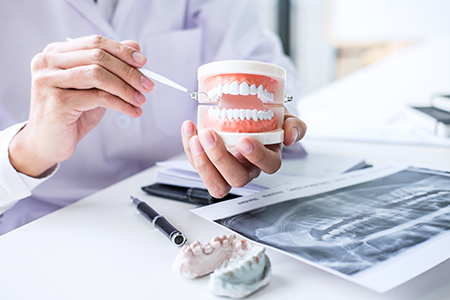
Crafting a successful denture is a process that combines careful diagnostics with artistry. We begin with a comprehensive oral exam and, when helpful, imaging to evaluate bone structure and any remaining teeth. Measurements and impressions are then taken to capture the mouth’s contours precisely.
Laboratory steps include building a stable framework, selecting tooth forms that suit your facial features, and arranging teeth to achieve balanced bite forces. Try-ins allow us to evaluate fit, speech, and esthetics before final processing. Attention to these details reduces the need for extensive adjustments later and helps ensure a functional outcome.
We also consider preparatory treatments when necessary. Procedures such as selective extractions, soft tissue smoothing, or minor bone shaping can improve how a denture seats and performs. Our goal is to provide a durable prosthesis that complements your oral health while minimizing future complications.
Throughout the process, we invite patients to share their priorities so the final denture reflects both practical needs and personal preferences for appearance and comfort.

Adjusting to a new denture usually takes a few weeks. Initially, you may notice changes in speech or increased saliva production — both normal and temporary. Gentle practice with speaking and starting with softer foods helps your mouth adapt, and we schedule follow-up visits to make any necessary adjustments for comfort.
Daily hygiene is essential for the longevity and appearance of removable prostheses. Rinse dentures after meals, brush them with a denture brush or a soft brush suitable for prostheses, and soak them overnight in water or a recommended cleaning solution. Be careful not to use abrasive household cleaners that can damage the denture surface.
Keep your gums and any remaining teeth clean, too. Regular dental checkups let us monitor tissue health, assess the fit of the denture, and identify potential problems early. Over time, the gums and bone can change shape, and a denture may become loose; relining or rebasing can restore fit without replacing the entire appliance.
For some patients, additional retention through adhesives, attachments, or implant support improves function and confidence. We discuss follow-up options and tailor recommendations based on how the denture is performing and your comfort level.
Adjusting to daily wear
It’s normal to experience minor sore spots as you break in a new denture. Wear the denture as advised and return for adjustments if any irritation persists; timely relief prevents ongoing soreness and helps you adapt more quickly.
Temporary changes in saliva and speech
Some people notice increased saliva or slight speech changes at first. These effects usually subside as oral tissues grow accustomed to the prosthesis. Reading aloud and conversational practice can accelerate comfort.
Eating safely and comfortably
Start with softer foods and cut items into small pieces when you begin wearing a new denture. Chew evenly on both sides and avoid particularly hard or sticky foods until you feel confident with chewing. Most patients regain most of their function with time and practice.
Cleaning and nightly care
Rinse and brush your denture daily to remove food debris and plaque. Soak overnight to keep the material from drying out and to maintain its shape and cleanliness.
Continue brushing any remaining teeth, as well as massaging and cleaning the gums to encourage circulation and healthy tissues.
Remove dentures at bedtime to allow the gums to rest and to reduce the risk of irritation and infection.
When added stability may be helpful
Some cases benefit from enhanced retention. Adhesives, attachments, or implant-supported designs can provide extra stability when movement becomes a concern for chewing or speaking.
Follow-up visits and relines
Regular follow-up appointments allow us to check the fit and function of the denture and to perform a comprehensive oral exam of the soft tissues and any remaining teeth. If tissues change shape, a reline can reestablish a close fit and extend the useful life of the appliance.
At Granby Dental Center, we’re committed to helping patients regain comfort, function, and confidence with removable solutions that are made to fit their lives. If you would like to learn more about how dentures might work for you, please contact us for more information.


Dentures are removable prosthetic devices that replace missing teeth and the surrounding gum-colored tissue to restore chewing, speech and facial support. They can be held in place by a close fit to the gums, clasps that engage remaining teeth, or attachments to dental implants when additional stability is needed. Well-designed dentures aim to look natural while helping patients regain daily function and comfort.
People who have lost several teeth or an entire dental arch commonly consider dentures as a reliable restorative option, especially when preserving remaining teeth or pursuing implants is not feasible. Dentures are also a versatile choice for patients who want a nonpermanent solution or who prefer an appliance that can be removed for cleaning. A clinical evaluation determines whether dentures are the most appropriate treatment for an individual’s oral health and lifestyle goals.
Removable dentures include complete (full) dentures that replace all teeth in an arch and partial dentures that fill gaps when some natural teeth remain. Partial dentures use clasps or precision attachments to integrate with existing teeth and help prevent neighboring teeth from shifting into empty spaces. Complete dentures restore the full dental arch and support facial contours when no natural teeth remain.
Specialized variants include immediate dentures, which are placed the same day teeth are extracted to avoid an interim period without teeth, and overdentures that fit over prepared tooth roots or attachments to help preserve bone. Implant-assisted or implant-supported removable dentures connect to implants for greater retention and reduced movement during chewing. Material and framework options vary from traditional cast-metal to flexible resin systems, allowing customization for comfort and aesthetics.
Every design is tailored to the patient’s remaining dentition, gum and bone anatomy, and functional needs, so the best option is determined during a thorough clinical assessment. The selection process balances retention, stability, ease of cleaning and appearance to produce an appliance suited to daily life. Your dentist will explain the trade-offs of each type and recommend the solution that meets your goals.
The choice between a partial and a full denture depends primarily on how many natural teeth remain and the health of those teeth and supporting tissues. If healthy teeth are present, a partial denture can replace missing units while preserving and using existing teeth for support and stability. In contrast, a full denture is indicated when an entire arch is missing or when remaining teeth are not restorable.
Other factors that influence the decision include the condition of the jawbone, the distribution of teeth, bite relationships and the patient’s goals for function and appearance. Your dentist will perform a comprehensive exam, which may include imaging, to evaluate these elements and discuss whether retaining teeth, placing implants, or proceeding with a removable prosthesis is the most appropriate path. Together you will weigh the benefits and practical considerations to arrive at a personalized treatment plan.
Immediate dentures are fabricated in advance and inserted on the same day that extractions are performed so the patient does not go without teeth during healing. This approach preserves appearance and social confidence immediately after tooth removal, but it usually requires subsequent adjustments or relines as the gums and bone remodel during the healing period. Patients should expect a few follow-up visits to refine fit as tissues change shape.
Conventional, or delayed, dentures are made after the gums and bone have healed following extractions, which often leads to a more stable and predictable fit initially. Although this method requires a waiting period without a final prosthesis, it can reduce the number of early adjustments and provide a long-term fit that reflects the healed tissue contours. Your clinician will review the advantages and trade-offs of each method so you can choose the option that best matches your clinical needs and preferences.
Implant-assisted dentures use dental implants placed in the jaw as anchors to increase retention and reduce movement of the removable appliance. Depending on the design, implants may support the denture directly or provide attachment points that snap or lock the denture in place, which improves chewing efficiency and patient confidence. These hybrid solutions combine the benefits of implants with the serviceability of removable prostheses.
Not all patients are candidates for implant-assisted designs; suitability depends on factors such as bone volume, general health, and oral hygiene capability. A comprehensive evaluation including imaging and medical review helps determine whether implants are feasible and what type of implant-supported or implant-retained denture would be appropriate. When implants are indicated, treatment planning focuses on long-term tissue health and predictable function.
Planning begins with a thorough oral examination and often includes diagnostic imaging to assess bone structure and any remaining teeth. Precise impressions and measurements capture the mouth’s contours so the laboratory can build a stable framework and arrangement of teeth that support balanced bite forces and natural esthetics. Try-in appointments allow the dentist and patient to evaluate fit, speech and appearance before final processing to minimize later adjustments.
Laboratory stages include selecting appropriate tooth forms and shades, constructing the base and teeth arrangement, and processing the denture to achieve a durable finish. Preparatory treatments such as selective extractions, soft tissue smoothing or minor bone modification may be recommended to improve how the denture seats and performs. Throughout the process, patient input on comfort and appearance is incorporated to deliver a prosthesis that meets both functional needs and personal preferences.
Most patients adapt to new dentures over a period of a few weeks as oral tissues and muscles learn to accommodate the appliance. Early effects can include increased saliva production, minor changes in speech and the presence of transient sore spots where the denture contacts the gums. These responses are typically temporary and improve with practice, careful hygiene and scheduled adjustments.
If persistent irritation or discomfort occurs, it is important to return to the dental office so the denture can be adjusted to relieve pressure points. Practicing speaking and starting with softer foods helps build confidence while chewing, and gradual progression to a normal diet is recommended. Regular follow-up visits allow the dentist to monitor adaptation and make any necessary refinements to fit and function.
Daily care begins with rinsing dentures after meals to remove loose food debris and brushing them gently with a soft denture brush or a brush recommended for prostheses. Soaking dentures overnight in water or a clinician-approved cleaner helps maintain the material and prevents drying or warping, while avoiding abrasive household cleaners that can damage the surface. Removing dentures at night also gives the gums a rest and reduces irritation or infection risk.
It is equally important to clean and massage any remaining natural teeth and the oral tissues to promote circulation and oral health. Regular dental checkups allow the dentist to assess tissue condition, inspect the denture for wear or damage, and advise on relines or repairs when needed. Following a consistent hygiene routine helps extend the useful life of the prosthesis and supports overall oral health.
Because the jawbone and gum tissues naturally change over time, a denture that once fit well can become loose or cause sore spots as the supporting tissues remodel. A reline restores a close fit by adding material to the denture base, while a rebase replaces the base material to improve retention without changing the established tooth arrangement. These procedures can extend the functional life of a denture and improve comfort when minor changes occur.
Complete replacement may be recommended when the denture is extensively worn, when tooth arrangement no longer provides balanced function, or when repeated relines are insufficient to restore stability. Regular dental exams help identify when adjustments or more significant intervention are needed, and the dentist will discuss whether a reline, rebase or new prosthesis best meets the patient’s needs. In some cases, exploring implant options can offer a more stable long-term solution.
During a consultation, ask about the types of dentures that suit your clinical situation, what preparatory treatments might be required, and how each option will affect appearance, speech and chewing ability. Inquire about the expected timeline for fabrication and fitting, the number of follow-up visits typically needed, and what steps are taken to assess and maintain tissue health. Clarifying how maintenance, cleaning and potential future adjustments are handled helps set realistic expectations.
You may also want to discuss how implant-assisted solutions compare with traditional removable dentures in terms of retention and daily function, and what diagnostic steps will determine candidacy for implants. Ask the team to explain common short-term responses to new dentures and the protocol for follow-up care so you understand how the practice supports long-term success. This information will help you make an informed decision and prepare for a comfortable transition to your new prosthesis.
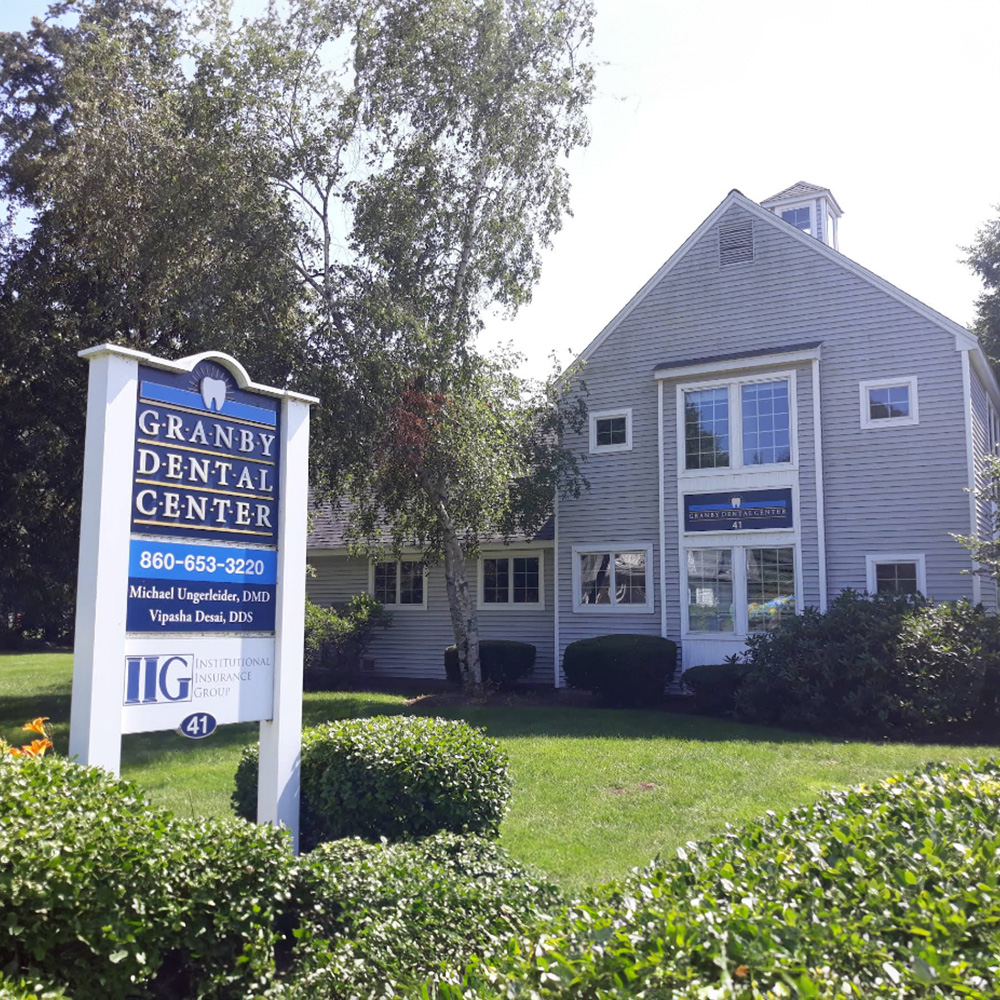
Scheduling your next visit to Granby Dental Center is quick and hassle-free. Whether you have a specific question about our services or just need to easily book a routine cleaning, our professional staff is here to provide clear answers and simple solutions.
We’ve made it easier than ever to get in touch: give us a call or use our quick online form. Don't put your oral health on the back burner, connect with us today and let us handle the details while you focus on your smile.