Dental sealants offer a simple, scientifically supported way to reinforce a child’s defenses against tooth decay. Applied to the chewing surfaces of molars and premolars, sealants create a smooth barrier that keeps out food particles and bacteria that can hide in deep grooves. For families seeking preventive options as part of a comprehensive oral health plan, sealants are one of the most practical interventions available.
At the office of Granby Dental Center, we view sealants as a proactive measure—one that complements daily brushing, flossing, and regular dental checkups. This page explains what sealants are, who benefits most from them, how they’re placed, and how to care for them so they provide years of protection.
Sealants are thin coatings, usually made from a tooth-colored resin, that are applied to the chewing surfaces of back teeth. These teeth—the molars and premolars—have pits and fissures that are narrow and deep, making them difficult to clean thoroughly with a toothbrush alone. Sealants flow into and cover these grooves, creating a smooth surface that is much easier to keep clean.
By sealing off fissures, sealants physically block bacteria and food particles from accumulating in areas where cavities commonly start. This barrier reduces the risk of decay on those surfaces and often prevents small, early lesions from progressing. Because sealants address a mechanical problem—access to tight grooves—they work well alongside fluoride and proper oral hygiene rather than replacing those measures.
Clinical research supports the protective effect of sealants, especially in the years immediately following application. While no preventive method is perfect, sealants are a targeted approach that specifically addresses the anatomy of posterior teeth, where most childhood cavities occur.
Children and adolescents are the most common candidates for sealants because permanent molars erupt between ages 6 and 12 and are then at highest risk for decay. Applying a sealant soon after a permanent molar comes in gives that tooth critical protection during the years when a child may not brush or floss effectively. Pediatric patients with deep grooves, a history of decay, or high cavity risk are particularly likely to benefit.
Sealants are not strictly limited to children. Teens and adults with deep fissures or with teeth that are difficult to clean can also be good candidates. A dentist can examine each tooth and use a visual inspection, explorer, or X-rays (if needed) to determine whether a sealant is appropriate or whether other restorative approaches should be considered.
The decision to seal a tooth is individualized: the dentist will weigh the tooth’s anatomy, the patient’s oral hygiene habits, and their overall risk for cavities to recommend the best course of action. When placed at the right time, a sealant becomes part of a long-term prevention strategy.
Placing a dental sealant is a conservative, noninvasive procedure that usually takes only a few minutes per tooth. The tooth is first cleaned thoroughly to remove plaque and debris from the chewing surface. Next, the surface is prepared—often with a mild etchant that helps the sealant adhere to the enamel—and then rinsed and dried. Isolation and dryness are important during this step to ensure a strong bond.
The resin material is then carefully applied to the grooves and cured, typically using a special light that hardens the material. Because the tooth structure is left intact, there is no drilling or removal of healthy enamel when a sealant is placed on an otherwise sound surface. The patient may be asked to avoid chewing on that side for a short time until the material fully sets, though many modern sealants set rapidly.
After placement, the dentist will check the bite and make any minor adjustments to ensure comfort. Sealants are assessed at routine dental visits so that any chips, wear, or areas that need touch-up can be caught early and addressed before decay develops underneath.
Sealants are durable, but they are not permanent. Their lifespan depends on factors such as the material used, the patient’s bite forces, and oral habits like chewing on hard objects. Regular dental exams allow the dentist to evaluate the condition of sealants and reapply them if necessary. Reapplication is a simple process and can extend the protective effect for as long as it’s needed.
Daily oral hygiene remains essential even with sealants in place. Brushing twice a day with fluoride toothpaste and flossing help protect the tooth surfaces between teeth, where sealants are not applied. The smooth surface created by a sealant often makes brushing more effective on the treated tooth, which is an added benefit in maintaining overall oral health.
Because sealants are transparent or tooth-colored, their integrity is easy to assess visually during checkups. Dentists will look for signs of wear, marginal breakdown, or staining that could indicate the need for repair. Timely maintenance keeps sealants functioning as intended and supports long-term cavity prevention.
Modern sealant materials have been extensively studied and are considered safe for the vast majority of patients. The resin formulations harden quickly and remain stable in the oral environment. For patients with specific material sensitivities, the dental team can discuss options and choose a product that minimizes any potential reaction.
Parents and patients sometimes worry that sealing a tooth could mask early decay. Dentists use clinical judgment to determine whether a tooth is suitable for sealing; if significant decay is already present, restorative care may be recommended instead. In many cases, sealants can be used over very early, noncavitated lesions to arrest progression, but this decision is made on a case-by-case basis.
Another frequent question concerns the relationship between sealants and fluoride. These are complementary strategies: fluoride strengthens enamel and helps remineralize early lesions, while sealants prevent bacteria and food from reaching vulnerable pits and fissures. Together they form a balanced approach to preventing tooth decay.
In summary, sealants are a proven, minimally invasive tool for reducing the risk of cavities on the chewing surfaces of posterior teeth. They are most commonly used for children and adolescents but can benefit older patients in select circumstances. If you would like to learn more about whether sealants are appropriate for your child or yourself, please contact us for additional information.


Dental sealants are thin coatings, typically made from a tooth-colored resin, that are applied to the chewing surfaces of molars and premolars to fill and smooth deep pits and fissures. By creating a physical barrier, sealants block food particles and bacteria from collecting in grooves where a toothbrush cannot reach effectively. This mechanical protection reduces the chance that decay will start or progress on those vulnerable surfaces.
Sealants complement other preventive measures rather than replace them, working alongside fluoride and daily oral hygiene to lower cavity risk. Clinical studies show sealants are especially effective in the years immediately after placement, when newly erupted permanent molars are most vulnerable. Regular dental exams allow clinicians to monitor the sealant and the treated tooth for any changes.
Children and adolescents are the most common candidates because their permanent molars and premolars erupt between ages 6 and 12 and are at higher risk for decay during that period. Patients with deep grooves on their posterior teeth, a history of cavities, or difficulty maintaining thorough brushing are likely to benefit from sealants. A dentist will assess individual risk factors and tooth anatomy to make a personalized recommendation.
Sealants are not strictly limited to young patients; teens and adults with fissured teeth or special cleaning challenges can also be considered. The dental team evaluates each tooth visually and, when necessary, with an explorer or X-rays to determine whether sealing is appropriate. The office of Granby Dental Center emphasizes evidence-based prevention and will discuss whether sealants fit into a patient’s overall plan for oral health.
The ideal time to apply a sealant is soon after a permanent molar or premolar erupts and the tooth surface can be kept dry for bonding. Applying a sealant early gives the tooth protection during the years when a child’s brushing and flossing technique may still be developing. Scheduling sealants as part of routine checkups ensures timely coverage of newly erupted teeth.
For patients who are identified as higher risk for cavities, the dental team may recommend sealing additional teeth or reapplying sealants as needed. The timing decision is individualized, taking into account eruption patterns, oral hygiene habits, and previous decay history. Regular dental visits are the best way to determine and coordinate appropriate timing for sealant placement.
Sealant placement is a conservative, noninvasive procedure that usually takes only a few minutes per tooth and does not require drilling when placed on a sound surface. The tooth is cleaned and isolated, a mild etchant is often used to prepare the enamel, and the sealant resin is applied into the grooves before being cured with a special light. Proper isolation and dryness during placement are important to ensure a strong bond.
After the material sets, the dentist checks and adjusts the bite if necessary and reviews home care instructions with the patient or caregiver. Because the natural tooth structure is preserved, there is minimal discomfort and most patients tolerate the procedure very well. The practice will schedule follow-up exams to check sealant integrity and performance.
Modern sealants are made from clinically tested resin materials that are considered safe for the vast majority of patients and are stable in the oral environment. Manufacturers formulate these materials to harden quickly under a curing light and to resist wear from normal chewing forces. For patients with material sensitivities, the dental team can discuss alternative products or approaches to minimize any risk.
Dentists use their clinical judgment to decide whether a tooth is suitable for sealing, especially when early signs of decay are present. In some cases a sealant can be placed over very early, noncavitated lesions to halt progression, but significant decay requires restorative treatment first. Open communication with the dentist ensures that material selection and clinical decisions match each patient’s needs.
Sealants are durable but not permanent; their lifespan depends on the material, occlusal forces, and oral habits such as chewing hard objects or grinding teeth. Typical sealants can last several years, and routine dental exams allow the dentist to inspect for wear, chipping, or marginal breakdown. Reapplication or repair is straightforward and can extend protection when necessary.
Daily brushing with fluoride toothpaste and flossing remain essential even with sealants in place because they protect only the treated chewing surfaces. The smooth surface created by a sealant often makes brushing more effective on the treated tooth, which helps overall oral health. Regular professional cleanings and exams help catch any issues early so they can be addressed before decay develops under or around a sealant.
Sealants are a preventive measure that significantly lower the risk of decay on treated surfaces and can reduce the likelihood that fillings will be needed on those teeth. By blocking bacteria and food debris from reaching deep grooves, sealants help prevent small lesions from forming and progressing into cavities that require restoration. They are most effective when used as part of a comprehensive preventive strategy that includes fluoride and good oral hygiene.
While sealants decrease the chance of needing a filling on the treated surface, they do not protect areas between teeth where flossing is required. Regular dental checkups remain important to identify any decay that might develop elsewhere or to detect early problems that require restorative care. Preventive interventions work best when combined and tailored to each patient’s risk profile.
Adults can be good candidates for sealants if they have deep fissures on posterior teeth that are difficult to clean or if they face increased cavity risk for other reasons. While sealants are most commonly applied to newly erupted permanent teeth in children, sealing an adult tooth can still offer targeted protection for areas prone to decay. The dentist will evaluate tooth structure, existing restorations, and overall risk before recommending sealants for adult patients.
In some adult cases, alternative restorative treatments may be more appropriate if significant decay or structural damage is already present. The decision is individualized and based on a clinical exam, diagnostic imaging when needed, and the patient’s oral health goals. If sealants are chosen, the placement and maintenance process is the same as for younger patients.
If a sealant chips or comes off, it is important to schedule a dental appointment so the dentist can evaluate the tooth and determine whether repair or replacement is necessary. A lost sealant can leave the underlying grooves exposed to bacteria and food particles, increasing the risk of decay if not addressed. Timely assessment allows the dentist to check for any new lesions and to restore the sealant’s protective function if appropriate.
Small repairs are typically quick and conservative; the tooth is cleaned and the sealant material is reapplied and cured. During routine visits dentists also examine sealants for wear so that minor issues can be corrected before they become more problematic. Patients should report any sensitivity or visible changes to a treated tooth between appointments.
Sealants and fluoride are complementary preventive tools: sealants physically block bacteria from deep pits and fissures while fluoride strengthens enamel and helps remineralize early lesions. Together they address different aspects of cavity prevention and are most effective when combined with consistent brushing and flossing. A balanced preventive plan leverages multiple strategies to reduce overall decay risk.
Daily oral hygiene remains critical because sealants cover only the chewing surfaces, not the spaces between teeth or other vulnerable areas. Regular dental exams let the clinician monitor both sealants and fluoride needs and adjust the care plan as a patient ages or their risk profile changes. The practice encourages coordinated preventive measures to maintain long-term oral health.
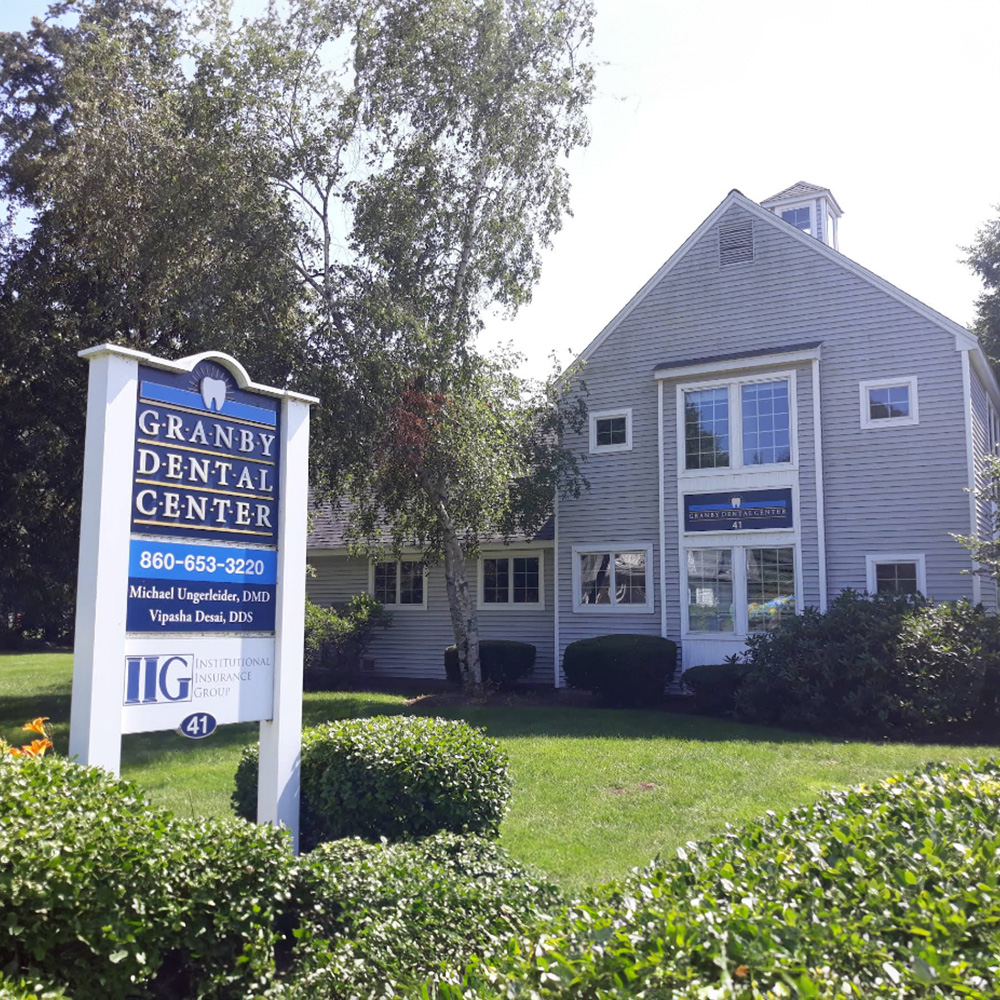
Scheduling your next visit to Granby Dental Center is quick and hassle-free. Whether you have a specific question about our services or just need to easily book a routine cleaning, our professional staff is here to provide clear answers and simple solutions.
We’ve made it easier than ever to get in touch: give us a call or use our quick online form. Don't put your oral health on the back burner, connect with us today and let us handle the details while you focus on your smile.