When a cavity or other damage compromises the structure of a tooth, a filling restores its form so you can chew, speak, and smile with confidence. Fillings replace lost tooth material and seal the area against bacteria, preserving the remaining healthy tissue and helping to prevent further decay.
Modern restorative dentistry combines careful diagnosis, conservative preparation, and strong, biocompatible materials to make repairs that are both functional and discreet. The goal is not only to stop disease but to rebuild the tooth in a way that lasts and fits naturally with the surrounding dentition.
At Granby Dental Center, our focus is on conservative treatment plans that prioritize your comfort and long-term oral health. We explain the available options, tailor materials to each tooth’s needs, and use techniques designed to preserve as much of the natural tooth as possible.
People have been attempting to restore damaged teeth for millennia. Archaeological evidence shows crude fillings and dental work in ancient remains, while the industrial era introduced metal alloys that were durable but not always esthetic. Over time, innovations have favored materials that are safer, more tooth-like in appearance, and kinder to surrounding tissues.
The last several decades have seen dramatic improvements in tooth-colored resins, ceramics, and bonding systems. These advances allow dentists to provide restorations that balance strength, longevity, and a natural look—often without removing more healthy tooth structure than absolutely necessary.
Restoration starts with accurate diagnosis and ends with a careful evaluation of fit, function, and appearance. We focus on minimally invasive approaches, removing only the diseased tissue and reinforcing the tooth so it can withstand everyday forces. Patient education is part of every visit: understanding the material choices and the anticipated care helps people make confident decisions about their treatment.

Not every filling material is ideal for every situation. Size and location of the cavity, bite forces, esthetic goals, and the condition of the remaining tooth all influence which material will perform best. A candid discussion about durability, appearance, and tooth preservation helps guide the selection.
Tooth-colored options have become the first choice for many restorations because they blend with neighboring teeth and bond to the tooth surface, adding strength. Metallic materials still play a role where extreme durability is required, but advances in ceramics and composites have expanded reliable, attractive alternatives.
We evaluate each case individually and recommend materials that balance long-term performance with the visual outcome you expect. Our recommendations reflect current evidence and practical experience so you receive a restoration suited to your daily habits and oral environment.
Composite resins are a blend of polymer and fine glass or ceramic particles that can be shaded to match natural teeth. They bond to enamel and dentin, which often allows for a more conservative preparation. Composites are versatile; they can repair small to moderate cavities and are commonly used for visible front and back teeth.
While composites are highly esthetic and avoid the use of metal, they can be more susceptible to wear over many years and may stain without proper care. When placed carefully and maintained with good oral hygiene, they offer an excellent balance of appearance and function.
Amalgam fillings are a silver-colored alloy that has been used for generations because of their durability and ability to withstand heavy chewing forces. They remain a reliable choice for large back teeth restorations where strength is a primary concern.
Glass ionomers bond chemically to tooth structure and release fluoride over time, which can be beneficial in patients at increased risk for decay. They are commonly used in pediatric dentistry, for fillings near the gumline, and as a temporary restorative material while a longer-lasting solution is planned.
Ceramic restorations are fabricated from high-quality dental porcelain and offer excellent stain resistance and life-like translucency. Often made in a lab or with CAD/CAM technology, they are used when strength and exceptional esthetics are needed.
Gold alloys are highly durable and biocompatible, with a long track record of clinical success. Though less common today because of their color and cost, gold remains a dependable option when longevity and tissue friendliness are top priorities.
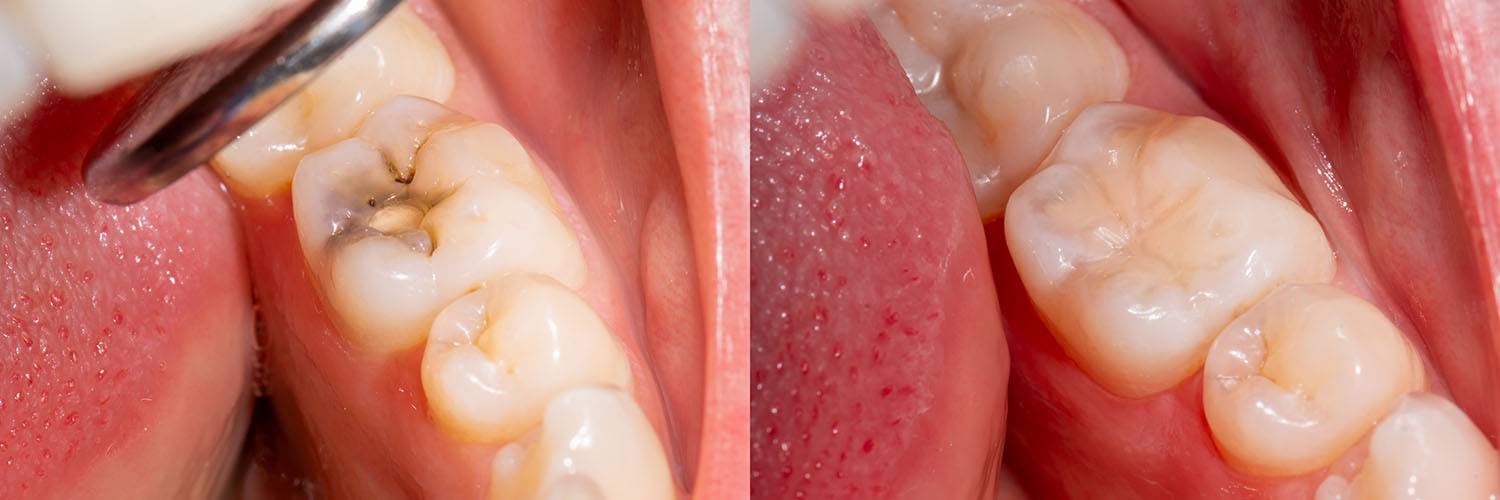
A typical filling visit begins with a thorough exam and X-rays as needed to define the extent of decay. We explain the recommended treatment, answer your questions, and review any concerns about comfort or anxiety before beginning the procedure.
Most restorations are completed under local anesthesia so the treated area is numb and the procedure is comfortable. The dentist removes the decayed material, shapes the remaining tooth, and places the chosen filling following the material’s specific protocol—whether that involves bonding, layering composite resin, or seating a lab-made inlay.
We take time to verify the fit and the bite, make necessary adjustments, and polish the restoration to a smooth finish. Appointments typically vary in length depending on the size and complexity of the repair, but we plan each visit to be efficient and as comfortable as possible.
For patients who feel nervous about dental care, we offer clear explanations and calming techniques, and we can discuss options in dental sedation to help make the experience manageable and stress-free.
After a filling, most people return to normal routines quickly, but attentive aftercare helps the restoration last. Avoid chewing very hard foods on the treated side for a short time if the anesthesia has altered your bite sensation, and follow any specific instructions your dentist provides.
Sensitivity to hot, cold, or pressure is common for a few days as the tooth adjusts. This typically resolves without intervention, but persistent or increasing discomfort should be evaluated so any issues—such as a high bite or deeper tooth involvement—can be addressed promptly.
Good oral hygiene, regular dental checkups, and protective habits like wearing a nightguard if you grind your teeth will extend the life of your fillings. We recommend routine examinations so we can monitor restorations and intervene early if repair or replacement becomes necessary.
Protect numb areas
Wait until anesthesia has fully worn off before eating to avoid biting lips or tongue. Sensation usually returns within a couple of hours.
Expect brief sensitivity
A temporary sensitivity to temperature or pressure is normal. If sensitivity intensifies or does not improve after several days, contact our office for an evaluation.
Maintain excellent home care
Brush twice daily, floss daily, and use any recommended fluoride products to protect the margins of your new filling and surrounding teeth.
Watch for changes
Report persistent pain, a chipped restoration, or a change in how your bite feels so adjustments or follow-up treatment can be scheduled as needed.
We’re committed to helping you maintain a healthy, comfortable smile. If you have any questions or notice anything unusual after a procedure, please contact our office.
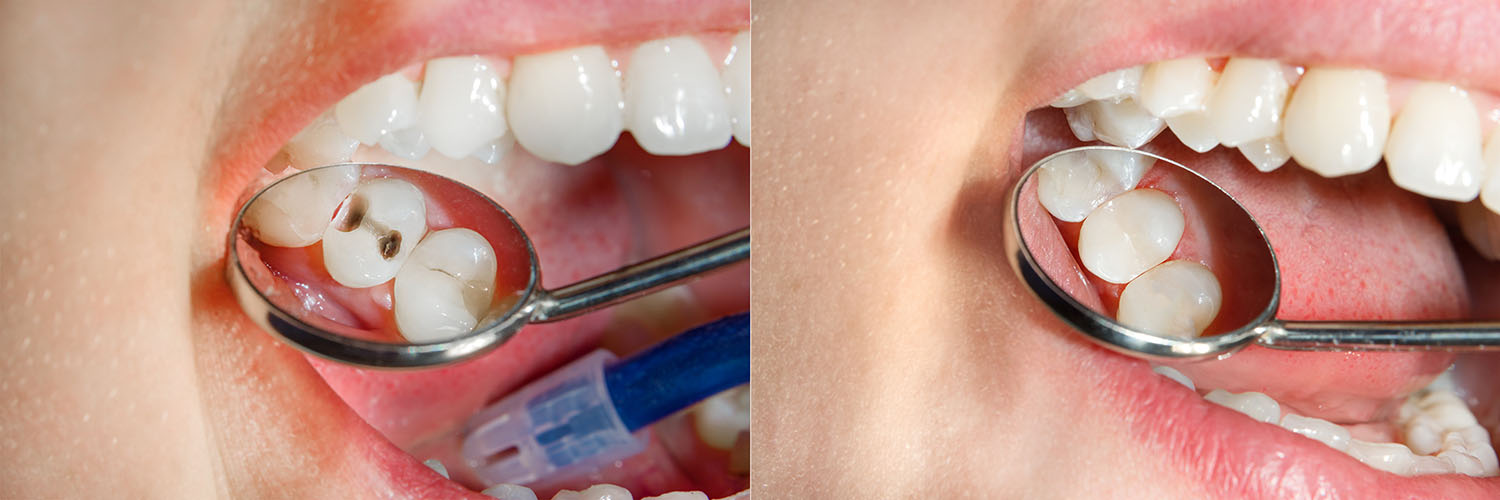
Dental fillings are a common but vital service that preserves tooth structure, prevents the spread of decay, and restores chewing function and appearance. With a range of modern materials available, it’s possible to choose solutions that meet both functional needs and esthetic goals.
If you’re concerned about a cavity, sensitivity, or a change in a previous restoration, an evaluation can clarify the best path forward. Our team explains options in clear terms and designs a plan with your long-term oral health in mind.
For more information about restorative options or to schedule an appointment, please contact Granby Dental Center for assistance.
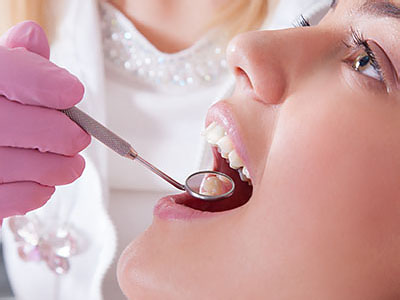

A dental filling is a restorative material used to repair a tooth that has been damaged by decay or minor trauma. It restores the tooth's shape and function so you can chew and speak comfortably while sealing the area against bacteria. Fillings are recommended when decay has created a cavity or when a previous restoration has failed and the tooth needs to be rebuilt.
The decision to place a filling begins with a clinical exam and diagnostic images to determine the extent of damage. Conservative removal of diseased tissue and careful preparation help preserve healthy tooth structure. Your dentist will explain the options and the expected outcome so you can make an informed decision about treatment.
Common filling materials include composite (tooth-colored) resin, amalgam (metal alloy), glass ionomer cement, ceramic inlays or onlays, and gold alloys. Composites bond to the tooth and offer excellent esthetics, amalgam provides long-standing durability for high-stress areas, and glass ionomers release fluoride and bond chemically to tooth structure. Ceramics and gold are used for larger or more demanding restorations when strength and longevity are priorities.
Each material has different strengths in terms of appearance, wear resistance, and how much tooth must be removed to place the restoration. The location and size of the cavity, your bite, and esthetic goals inform the best choice. Your dentist will review the pros and cons of each option and recommend the material that balances function and appearance for your situation.
A filling appointment typically begins with an exam and any necessary X-rays to define the extent of decay. Local anesthesia is used when needed so the treated area is numb, then the dentist removes the decayed tissue, shapes the cavity, and places the chosen material following the appropriate technique. The restoration is finished by adjusting the bite and polishing to ensure comfort and proper function.
At Granby Dental Center we take time to explain each step and answer questions before treatment begins, and we use techniques to minimize sensitivity and preserve tooth structure. The length of the visit varies with the complexity of the repair, but most direct restorations are completed in a single appointment. If a lab-made restoration is required, such as a ceramic inlay, the procedure may involve two visits to allow fabrication and final seating.
Advances in composite resins and bonding systems have significantly improved the strength of tooth-colored fillings, making them suitable for many small and moderate restorations. In many cases they perform comparably to metal restorations because the bonded interface helps reinforce the remaining tooth. For very large restorations or areas subjected to extreme chewing forces, ceramic or metal options may still offer superior longevity.
The best material depends on the tooth's location, the size of the defect, and your functional habits such as grinding. Your dentist will assess these factors and recommend a material that provides appropriate strength while meeting esthetic preferences. Proper placement technique and ongoing maintenance are also important to the long-term success of any restoration.
The lifespan of a filling varies widely depending on the material, how well it was placed, and individual oral conditions; many restorations serve patients for several years before they need attention. Composite fillings can last a long time with good technique and care, while ceramics and gold restorations are often more durable in challenging situations. Factors such as cavity size, location, bite forces, oral hygiene, and grinding habits influence longevity.
Regular dental checkups allow your dentist to monitor restorations for wear, leakage, or recurrent decay and address problems early. Protective measures like nightguards for bruxism and attentive home care extend the functional life of fillings. Promptly reporting sensitivity, roughness, or changes in bite helps catch issues before they require more extensive treatment.
Immediately after a filling, avoid chewing on the treated side until any numbness has worn off to prevent biting soft tissues. Mild sensitivity to hot, cold, or pressure is common for a few days as the tooth adjusts, and it usually diminishes on its own. If sensitivity increases or does not improve, contact your dentist for an evaluation to check for a high bite or deeper involvement.
Long-term care for fillings includes brushing with a fluoride toothpaste, flossing daily, and attending routine dental examinations to detect early signs of wear or recurrent decay. Avoiding very hard foods and managing habits like nail biting or opening packages with your teeth reduces stress on restorations. If you grind your teeth, a custom nightguard can protect fillings and natural tooth structure from excessive wear.
Small defects such as chips or marginal breakdown can sometimes be repaired conservatively by smoothing or adding composite to the affected area. When a restoration shows extensive decay beneath it, significant cracking, or repeated failure, replacement is often the most reliable option to restore function and prevent further damage. The decision is based on the amount of remaining healthy tooth, the type of existing material, and diagnostic findings including X-rays.
Early detection through regular exams increases the chance of conservative repairs and may avoid more invasive restoration. Your dentist will explain whether a repair, patch, or full replacement is appropriate and discuss alternatives such as onlays or crowns when larger coverage is needed. Careful evaluation helps preserve tooth structure while achieving a durable outcome.
Yes. For children, material choice and technique often prioritize preservation of tooth structure, fluoride release, and ease of placement; glass ionomer cements are commonly used in certain situations because they bond chemically and release fluoride. Behavior management and minimally invasive approaches help make treatment efficient and comfortable for younger patients. Preventive strategies and education are emphasized to reduce the need for future restorations.
For patients with sensitive teeth, dentists may use liners, desensitizing agents, or gentler preparation techniques to minimize postoperative discomfort. When sensitivity is related to clenching or acid erosion, addressing those underlying factors is part of the treatment plan. Discussing concerns and past experiences with sensitivity allows the dental team to tailor anesthesia and aftercare accordingly.
Choosing the right material is a case-by-case process that considers cavity size and location, aesthetic goals, bite forces, the condition of adjacent teeth, and any medical or oral health considerations. The dentist balances durability and appearance while striving to preserve as much natural tooth as possible. Diagnostic tools such as X-rays and intraoral evaluation guide the recommendation and help predict long-term performance.
In some situations a simple direct filling is ideal, while in others an indirect restoration like an onlay or crown provides better longevity. The treatment plan should be discussed openly so you understand the benefits and maintenance needs of each option. Shared decision-making ensures the selected material aligns with your priorities and daily habits.
The practice emphasizes patient comfort through thorough communication, modern anesthetic techniques, and options for mild sedation when appropriate. Standard infection control protocols, careful isolation of the treatment area, and the use of contemporary adhesive systems all contribute to safe, predictable outcomes. Staff training and attention to detail during placement reduce the risk of postoperative issues.
After treatment, the team provides clear aftercare instructions and schedules follow-up or recall visits to monitor restorations. If any unexpected sensitivity or problems arise, prompt evaluation allows for timely adjustments or interventions. This combination of prevention, technique, and follow-up supports lasting restorations and a comfortable patient experience.
Scheduling your next visit to Granby Dental Center is quick and hassle-free. Whether you have a specific question about our services or just need to easily book a routine cleaning, our professional staff is here to provide clear answers and simple solutions.
We’ve made it easier than ever to get in touch: give us a call or use our quick online form. Don't put your oral health on the back burner, connect with us today and let us handle the details while you focus on your smile.