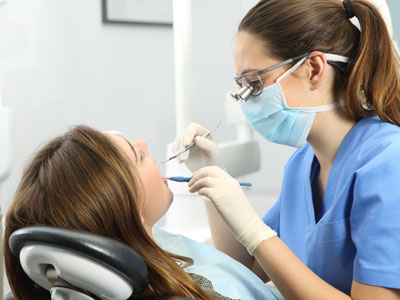
Good daily hygiene at home is the foundation of a healthy smile, but even the most careful brushing and flossing can leave mineralized deposits and bacteria where toothbrushes can't reach. Professional dental cleanings remove buildup, refresh soft tissues, and give your clinician a chance to spot early changes before they become larger problems. This page explains what a professional cleaning involves, why it matters, and how our approach helps you keep a healthy, confident smile for years to come.
Dental cleanings are often thought of as a cosmetic refresh, but their role in prevention is far more important. Plaque is a sticky film that forms continuously on tooth surfaces; when it hardens into tartar (calculus), it bonds to enamel and creates protected niches for bacteria. Left in place, these bacteria can contribute to cavities and inflammation of the gums. Removing plaque and tartar reduces the bacterial load and gives the mouth a better environment for healing and maintenance.
Beyond removing visible deposits, cleanings help preserve gum attachment and bone support around teeth by preventing the progression of early gum disease. When clinicians clear the buildup above and just below the gumline, they interrupt the cycle of inflammation that can lead to tissue breakdown. That preventive effect is one of the simplest, most effective ways to protect natural teeth over a lifetime.
Finally, professional cleanings give your hygienist and dentist a routine opportunity to evaluate your oral tissues. Regular visits create a baseline for monitoring changes in gum health, tooth wear, and soft-tissue appearance so that any emerging issues can be addressed promptly, often with less invasive treatment than would be required later.
A contemporary cleaning combines careful assessment with efficient, comfortable techniques. The appointment usually begins with a review of your medical and dental history and a visual exam of the teeth and gums. Your hygienist may chart areas of recession, pocketing, or sensitivity and note any changes since your last visit to help tailor the procedure to your needs.
Scaling is the process of removing plaque and calculus from tooth surfaces. Depending on what’s present, clinicians use a mix of hand instruments and an ultrasonic scaler — a device that uses water and gentle vibrations to loosen deposits. These methods complement one another: hand instruments allow for precise removal in tight spots, while ultrasonic scalers can quickly clear larger areas with less scraping sensation.
After deposits are removed, polishing smooths the tooth surfaces and reduces places where plaque can readily reattach. Some offices also perform a careful flossing, apply topical fluoride where appropriate, and offer personalized hygiene coaching so you leave with a clear plan for maintaining improvements at home. Each step is designed to be conservative and respectful of your comfort while maximizing oral-health benefits.
No two mouths are exactly alike, so cleanings should not be one-size-fits-all. People with healthy gums and low buildup will often have a straightforward prophylaxis focused on stain and plaque removal. Others with a history of periodontal disease, dental restorations, or medical conditions that affect oral health may need more targeted care — such as deeper scaling, more frequent visits, or a treatment plan developed in coordination with your dentist.
Your hygienist will adjust their technique based on sensitivity, the presence of crowns or implants, and areas that are difficult to keep clean with home care alone. If bleeding, deep pockets, or persistent inflammation are found, the team will document those findings and recommend appropriate follow-up so problems are treated early and efficiently. Personalization ensures each cleaning session supports long-term stability, not just short-term freshness.
Education is also personalized. Instead of generic instructions, clinicians can demonstrate brushing and interdental cleaning tailored to your tooth shape, restorations, and dexterity. Small technique changes at home often yield meaningful improvements between professional visits, reducing the need for more extensive procedures later.
For many people, the idea of a dental cleaning raises concerns about sensitivity or gag reflex. Today’s teams are trained to anticipate these issues and manage them proactively. Simple measures — such as short breaks, repositioning, topical desensitizing agents, or adjusting instrument pressure and angle — can make a significant difference in your comfort during the appointment.
Strict infection-control protocols and gentle technique are part of every cleaning to protect your overall health. Instruments are sterilized according to professional standards, and clinicians review your medical history at each visit to identify conditions or medications that might affect treatment. If you have health considerations that require special handling, mention them early so the team can prepare appropriately.
Communication is key: letting your hygienist know about any discomfort, anxiety, or previous negative experiences allows the team to modify the appointment in real time. Many patients find that when their concerns are acknowledged and addressed, cleanings become far more comfortable and even reassuring.
Oral health and general health are closely connected. Chronic inflammation in the mouth can contribute to systemic stress on the body, and maintaining healthy gums supports better overall outcomes for people managing diabetes, cardiovascular risk, and other chronic conditions. Regular cleanings help reduce local inflammation and bacterial levels, which supports broader health goals.
Maintaining routine cleanings also minimizes the risk of unexpected dental emergencies caused by unchecked decay or advanced gum disease. Preventive visits keep small problems visible and manageable, reducing the likelihood of sudden pain, infection, or complex restorative work that can disrupt daily life.
Ultimately, routine professional care complements good home hygiene and healthy habits. By keeping your teeth and gums in the best possible condition, cleanings help preserve function, appearance, and comfort so you can eat, speak, and smile with confidence.
At Granby Dental Center, our approach to dental cleanings emphasizes prevention, individualized care, and patient comfort. If you’d like to learn more about how routine professional cleanings can fit into your personal health plan, please contact us for more information.

A professional dental cleaning is a preventive appointment in which a licensed hygienist removes plaque, tartar and surface stains while evaluating your gums and oral tissues. The procedure combines visual assessment, scaling with hand instruments and ultrasonic devices, polishing, and a focused review of home-care techniques. Routine cleanings reduce bacterial load and interrupt inflammation cycles that can lead to cavities and gum disease.
Beyond immediate freshness, cleanings help preserve the attachment of gum tissue and the bone that supports teeth by preventing progression of early disease. They also create a documented baseline so clinicians can spot subtle changes over time and intervene before problems worsen. Regular professional care complements good home hygiene and supports long-term tooth retention and comfort.
Hygienists use a combination of ultrasonic scalers and hand instruments to remove plaque and hardened tartar from tooth surfaces and just below the gumline. Ultrasonic scalers use gentle vibrations and water irrigation to loosen larger deposits efficiently, while hand instruments allow precise removal in tight or delicate areas. This complementary approach maximizes effectiveness while minimizing unnecessary pressure on teeth and gums.
After scaling, clinicians polish the teeth to smooth surfaces where plaque can reattach and may floss to ensure interproximal cleanliness. When indicated, topical fluoride or targeted hygiene coaching is provided to strengthen enamel and help maintain results at home. Instrument sterilization and infection-control protocols are followed closely to keep the appointment safe and professional.
No two mouths are the same, so clinicians adjust the cleaning approach based on periodontal history, the presence of crowns, bridges, implants or sensitivity. Patients with gingivitis or periodontitis may require deeper scaling, more frequent visits and careful documentation of pocket depths and bleeding to guide follow-up care. Restorations and implants receive special attention to avoid damage and to remove bacterial accumulation at margins and implant interfaces.
Hygienists will also tailor home-care recommendations to your specific anatomy and dexterity, demonstrating brushes, flossing tools or interdental cleaners that work best with your restorations. When persistent inflammation or deep pockets are found, the team will coordinate a treatment plan with your dentist to address underlying issues promptly. Personalization helps protect long-term stability rather than delivering a one-size-fits-all service.
Most cleanings are well tolerated, but sensitivity and discomfort can occur depending on tissue inflammation, exposed root surfaces or individual sensitivity. Clinicians use simple strategies such as short breaks, repositioning, topical desensitizing agents and adjustments in instrument pressure and angle to increase comfort during the appointment. Clear communication about sensations and anxiety allows the team to modify the visit in real time.
If you have a history of severe sensitivity, strong gag reflex or dental anxiety, mention this when you schedule the appointment so the team can plan appropriate measures. For patients with heightened needs, the office may provide additional comfort options and slower, staged visits to build tolerance. The goal is to make preventive care accessible and reassuring for every patient.
Frequency depends on your oral-health status, risk factors and clinical findings rather than a single rule for everyone. Many patients with healthy gums benefit from cleanings every six months, while people with a history of gum disease, heavy buildup, medication-related dry mouth or certain medical conditions may need more frequent visits, such as every three to four months. Your hygienist and dentist will recommend a recall interval based on pocket depths, bleeding, decay risk and overall health.
Regular checkups create continuity of care that makes it easier to detect early changes and avoid more invasive treatment later. Adhering to a personalized schedule helps maintain improvements from professional cleanings and prevents setbacks between visits. If your health or medications change, ask your clinician whether your cleaning interval should be adjusted.
The first appointment typically begins with a review of your medical and dental history and a visual exam of your mouth to establish a baseline. The hygienist will chart any areas of recession, pocketing, sensitivity or unusual wear and then proceed with scaling and polishing tailored to those findings. Time is also devoted to demonstrating home-care techniques and answering questions about daily brushing and interdental cleaning.
If screening identifies areas of concern, the hygienist will document them and discuss recommended follow-up with the dentist, who may suggest radiographs or a focused periodontal evaluation. Expect a collaborative approach: assessment, treatment, and a personalized plan to help you maintain oral health. Clear instructions are provided so you leave with practical steps to protect your smile between visits.
Oral inflammation and bacterial burden can have effects beyond the mouth, and maintaining healthy gums supports broader health goals for people managing diabetes, cardiovascular risk and other chronic conditions. Regular cleanings reduce local inflammation and help keep bacterial levels lower, which in turn reduces systemic inflammatory load and may support better overall outcomes. Preventing advanced gum disease can also lower the risk of infections that might complicate other medical conditions.
Clinicians review your medical history at each visit to identify medications and systemic risks that could affect oral treatment and healing. If you have conditions that require coordination with a physician, the dental team will factor that into the care plan. This integrated perspective helps ensure dental prevention contributes positively to your whole-body health.
Preparation is simple: continue your regular oral hygiene before the visit, bring an updated list of medications and be ready to discuss any recent medical changes. If you use tobacco, avoid it for several hours before the appointment to allow the clinician to assess tissue health more accurately. If you have dental anxiety or special needs, tell the office when you schedule so they can arrange comfort measures or additional time.
Arrive a few minutes early to complete any necessary paperwork and to update contact or health information. If you wear removable appliances, bring them or mention them so the hygienist can evaluate and clean them as needed. Clear communication before and during the visit ensures a smoother, more effective cleaning experience.
After a cleaning, continue gentle but thorough brushing twice daily and interdental cleaning once daily to maintain the reductions in plaque achieved professionally. If your hygienist provided targeted coaching—such as a new toothbrush angle or a specific interdental tool—practice those techniques between visits to improve control over trouble spots. Using fluoride toothpaste and staying hydrated can further support enamel health and saliva function.
If any sensitivity or minor gum tenderness occurs after the appointment, it often subsides within a day or two; follow any post-care instructions your clinician provides and call the office if symptoms persist or worsen. Regular follow-up visits and consistent home habits together preserve the benefits of each professional cleaning. At Granby Dental Center, we emphasize practical, individualized home-care plans to extend the impact of in-office therapy.
Yes. Children and older adults have unique risk profiles that require tailored preventive strategies. For children, cleanings focus on removing plaque, monitoring eruption patterns, applying fluoride when appropriate and teaching age-appropriate home care. Early professional visits also help establish a positive relationship with dental providers and allow for timely detection of developmental issues.
Older adults may face issues such as exposed root surfaces, dry mouth from medications, restorative work or implants that need careful attention during cleanings. Hygienists adjust techniques to minimize sensitivity and address mobility or cognitive limitations by recommending suitable oral hygiene aids. The office team works with families and caregivers as needed to support successful, ongoing preventive care for all ages at Granby Dental Center.
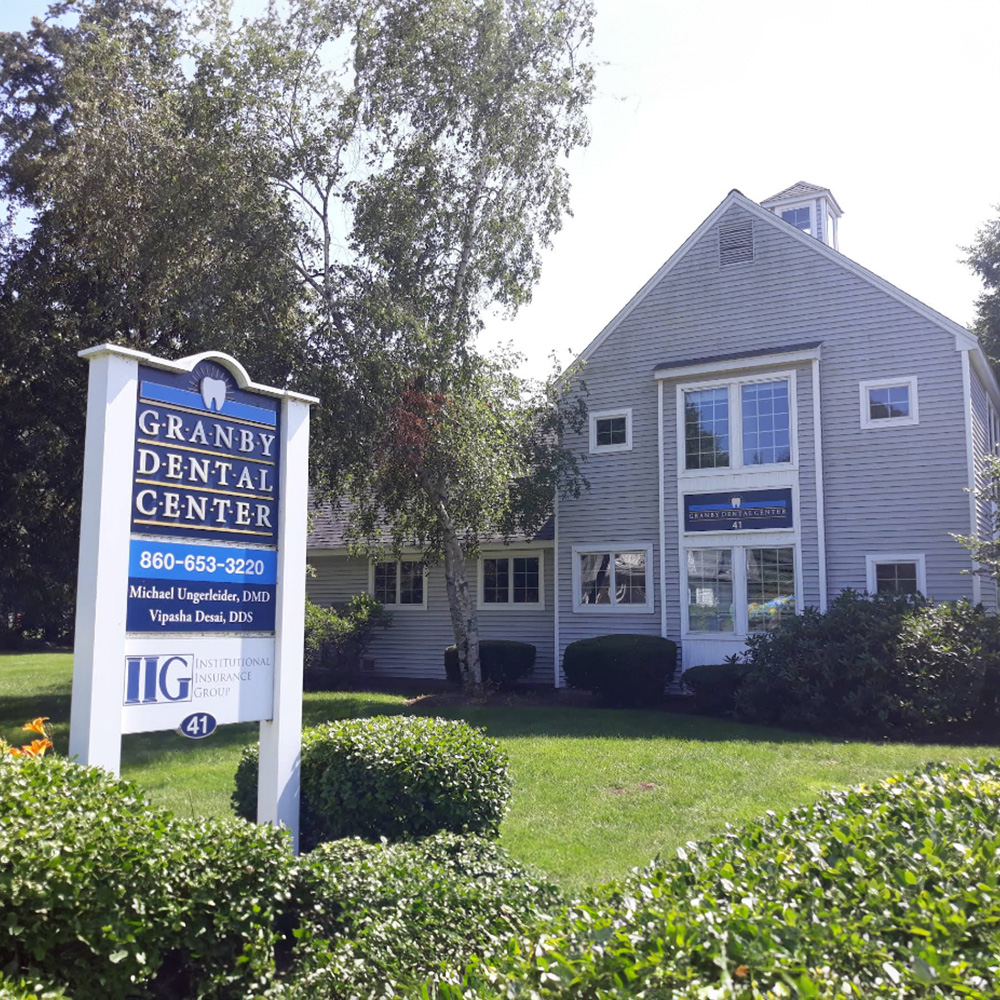
Scheduling your next visit to Granby Dental Center is quick and hassle-free. Whether you have a specific question about our services or just need to easily book a routine cleaning, our professional staff is here to provide clear answers and simple solutions.
We’ve made it easier than ever to get in touch: give us a call or use our quick online form. Don't put your oral health on the back burner, connect with us today and let us handle the details while you focus on your smile.