At Granby Dental Center, we combine clinical expertise with an eye for aesthetics to help patients achieve smiles that look natural and feel comfortable. A cosmetic smile makeover is more than a single procedure; it’s a coordinated plan that addresses color, shape, alignment, and function so the end result is both attractive and durable. Our approach begins with listening closely to your goals, then applying proven techniques and modern materials to create a personalized outcome that complements your facial features and lifestyle.
Every successful makeover starts with a clear vision. During an initial consultation, we review your concerns, preferences, and any functional issues you’ve noticed when chewing or speaking. This conversation lets us prioritize what matters most to you—whether that’s a brighter smile, closing gaps, or repairing chipped teeth—and shapes a treatment plan tailored to your needs.
To translate your goals into a predictable result, we use careful aesthetic analysis. Factors such as tooth proportion, gum contours, lip dynamics, and facial symmetry all influence the final design. By assessing these elements together, we can propose solutions that harmonize your smile with your face rather than applying one-size-fits-all changes.
Visual tools play an important role in planning. Digital photos, smile simulations, and intraoral scans allow you to preview potential outcomes and make informed decisions alongside your dentist. This collaborative design phase helps set realistic expectations and ensures that the final result reflects your personal style.
A cosmetic smile makeover often draws on several complementary treatments rather than a single fix. Teeth whitening is a conservative first step to brighten the overall appearance, while bonding and contouring can quickly correct small chips or uneven edges. For more comprehensive changes, porcelain veneers offer predictable improvements in shape, size, and color with an emphasis on natural appearance.
Restorative solutions sometimes integrate with cosmetic goals. Tooth-colored fillings and all-ceramic crowns restore strength and aesthetics to teeth compromised by decay or fracture. When teeth are missing, options such as bridges, dentures, or dental implants restore continuity and function; implants, in particular, mimic the look and feel of natural teeth and are often used as part of long-term cosmetic plans.
We select procedures based on a combination of aesthetic objectives, oral health status, and the desire to preserve tooth structure. By favoring conservative options when possible, we minimize unnecessary alteration of healthy enamel while still achieving meaningful improvements in appearance and confidence.
A beautiful smile is most successful when it also functions properly. Bite alignment, or occlusion, influences how long restorations last and whether you experience discomfort or wear. During planning, we evaluate how your teeth come together and address any issues—such as uneven forces or uneven wear—that could compromise results over time.
Crowns, onlays, and well-designed prosthetics can reestablish proper chewing surfaces while improving the appearance of damaged teeth. When multiple teeth are involved, a full-mouth approach focuses on balancing aesthetics with mechanics so that new restorations integrate seamlessly with the rest of the mouth and provide long-term stability.
Integrating periodontal health and tooth-supporting structures is equally important. Healthy gums and stable bone are the foundation for attractive restorations, so periodontal care and appropriate maintenance are included in comprehensive treatment plans to protect both appearance and oral health.
Advances in materials and digital technology make modern smile makeovers more predictable and durable than ever. High-strength ceramics, zirconia frameworks, and modern porcelain blends deliver lifelike translucency and color depth while offering excellent wear resistance. These materials allow us to match adjacent teeth and achieve a natural, expressive result.
Digital scanning and CAD/CAM design streamline the planning and fabrication process. Intraoral scans capture precise tooth and gum anatomy without uncomfortable impressions, and computer-assisted design helps ensure restorations fit accurately and function as intended. This precision reduces adjustments and improves the overall patient experience.
Shade selection and surface texture are treated as carefully as structural design. Skilled technicians and clinicians collaborate to reproduce subtle light-reflecting properties so restorations blend convincingly with natural teeth. The result is a smile that reads as authentic in everyday life, under various lighting conditions, and while speaking or laughing.
Makeovers are typically delivered in phases to balance immediate improvements with long-term planning. Many patients begin with minimally invasive steps—such as whitening or small composite repairs—while more involved restorative or prosthetic work is scheduled after a thorough evaluation. This staged approach allows you to see incremental benefits and make adjustments before final restorations are placed.
Clear communication about timelines and steps helps reduce uncertainty. Preparatory visits may include diagnostic records, mock-ups, temporary restorations, and pre-treatment periodontal or restorative care. During the restorative phase, careful attention to occlusion, fit, and esthetics ensures the final pieces function well and look cohesive.
After treatment, ongoing maintenance supports the longevity of your investment. Regular professional cleanings, at-home hygiene, and occasional polish or touch-ups maintain appearance and oral health. We also review habits, such as grinding or biting hard objects, and recommend protective measures—like nightguards—when appropriate to protect new restorations.
Throughout the process, our team emphasizes patient comfort and informed decision-making. We aim to minimize surprises and provide clear explanations at each step so you feel confident moving forward with a plan that enhances both your smile and oral health.
In summary, a cosmetic smile makeover is a personalized blend of art and science designed to improve how your smile looks and performs. If you’d like to learn more about how a tailored plan could help you reach your goals, contact Granby Dental Center to discuss options and schedule a consultation.

A cosmetic smile makeover is a coordinated treatment plan that improves both the appearance and function of the teeth. It addresses color, shape, alignment, and proportion rather than relying on a single procedure. The objective is to create a natural-looking result that harmonizes with a patient’s facial features.
The process begins with a detailed consultation and aesthetic analysis to establish priorities and realistic expectations. Treatments may include whitening, bonding, veneers, crowns, implants, or orthodontic procedures depending on needs. Sequencing conservative options first allows clinicians to refine appearance while preserving tooth structure.
Good candidates are adults who have specific cosmetic concerns or functional issues and who maintain reasonably healthy gums and bone support. Patients with active periodontal disease or uncontrolled decay will first need appropriate dental care to establish a stable foundation. A candid discussion of expectations and long-term goals helps determine whether a makeover is appropriate.
Patients with wear, discoloration, gaps, minor misalignment, or missing teeth often benefit from combined cosmetic and restorative approaches. The clinician evaluates oral health, bite function, and lifestyle factors before recommending procedures. In some cases, preliminary periodontal or restorative treatment improves outcomes and reduces complication risk.
A smile makeover frequently combines conservative and restorative procedures to achieve harmony and durability. Common elements include professional whitening, composite bonding, porcelain veneers, all-ceramic crowns, implant-supported restorations, and selective orthodontic alignment. Soft-tissue procedures such as gum contouring may also be used to improve proportions and symmetry.
Procedure selection depends on aesthetic goals, current oral health, and the desire to preserve natural tooth structure whenever possible. Clinicians favor minimally invasive solutions when they can meet the aesthetic objective. For larger or structural problems, full-coverage restorations or implants may be integrated into a long-term plan.
Personalized design begins with a comprehensive aesthetic analysis that considers tooth proportion, gum contours, lip dynamics, and facial symmetry. Digital photos, intraoral scans, and smile simulations help translate patient goals into predictable visual outcomes. This objective analysis allows clinicians to propose solutions that fit the individual rather than applying a one-size-fits-all approach.
Mock-ups and temporary restorations let patients preview changes and refine preferences before final work is completed. The clinical team then uses diagnostic records and laboratory collaboration to finalize shape, shade, and texture. Granby Dental Center incorporates digital tools and a collaborative planning process to align the final result with the patient’s expectations.
Modern restorative materials deliver lifelike translucency, strength, and wear resistance that contribute to predictable aesthetic results. High-strength ceramics, zirconia frameworks, and advanced porcelain blends allow technicians to mimic the subtle optical properties of natural teeth. Carefully selected materials help restorations blend with adjacent teeth under different lighting conditions.
Digital technologies such as intraoral scanning, CAD/CAM design, and computer-guided fabrication improve fit and reduce the need for adjustments. Precise shade-matching, surface texture work, and technician-clinician communication ensure the final restorations read as authentic. These advances shorten turnaround times and enhance the overall patient experience.
Timelines vary depending on the complexity of the case, but most makeovers are delivered in phases to balance immediate improvements with long-term planning. Many patients begin with minimally invasive steps such as whitening or small composite repairs, followed by more involved restorative or prosthetic work. Staging allows the clinician to evaluate intermediate results and make adjustments as needed.
Preparatory visits commonly include diagnostic records, mock-ups, and any periodontal or restorative care required before final restorations. Temporary restorations may be used to test function and aesthetics during the process. Clear communication about expected steps and timing helps minimize surprises and fosters informed decision-making.
Function and occlusion are assessed early because bite relationships influence the longevity of restorations and the risk of wear or discomfort. The clinical evaluation identifies uneven forces, wear patterns, and jaw relationship issues that could compromise cosmetic results. When necessary, occlusal adjustments, onlays, crowns, or orthodontic measures are incorporated to achieve a balanced bite.
Restorative design focuses on reestablishing proper chewing surfaces and distributing forces evenly across the arch. Full-mouth plans emphasize harmony between aesthetics and mechanics so new restorations integrate with the entire mouth. Protective measures such as nightguards may be recommended for patients with bruxism to safeguard long-term outcomes.
Recovery depends on the procedures performed; most cosmetic restorations cause only mild, short-lived sensitivity that resolves within days to weeks. Patients receive specific home-care instructions for cleaning, dietary considerations, and managing sensitivity. Avoiding habits that stress restorations, such as biting hard objects, helps protect the work during the initial healing phase.
Long-term maintenance includes regular professional cleanings, diligent at-home hygiene, and periodic reviews to monitor fit and appearance. Occasional polishing or minor touch-ups can refresh restorations over time without full replacement. Ongoing communication with the dental team supports proactive care and early correction of any concerns.
Protecting natural tooth structure is a core principle of contemporary cosmetic dentistry, and clinicians favor conservative options when they can achieve the desired result. Composite bonding, enamel contouring, and minimal-prep veneers are examples of techniques that preserve more natural tooth tissue. When full coverage is necessary, adhesive techniques and onlays can reduce the amount of healthy tooth removed compared with traditional approaches.
Case planning weighs aesthetic goals against the need for strength and durability to determine the least invasive yet effective solution. Clinicians discuss alternatives and long-term implications with patients so they understand trade-offs before proceeding. This careful decision-making helps extend the life of both natural teeth and restorations.
Begin by scheduling a consultation so the clinician can review your concerns, medical and dental history, and any previous records or imaging you may have. Bring a list of specific goals or photos that show the aspects of your smile you would like to change, as this helps focus the discussion. Also bring a current list of medications and any recent dental records if available.
During the consultation you can expect an oral exam, digital photos, and intraoral scans or impressions as needed to document current conditions. The clinician will review potential treatment sequences, expected outcomes, and recommended preparatory care so you can make an informed decision. Contact Granby Dental Center to arrange a visit and learn which diagnostic records will be most helpful for your evaluation.
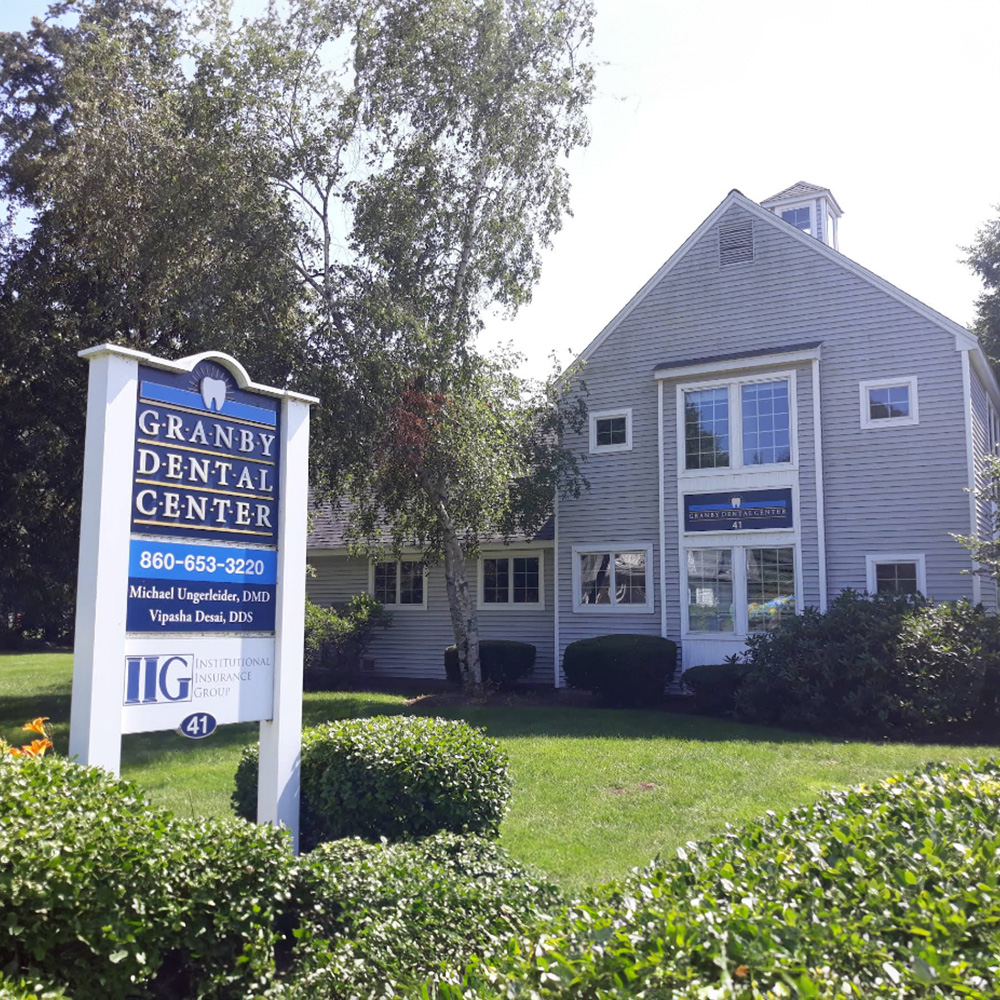
Scheduling your next visit to Granby Dental Center is quick and hassle-free. Whether you have a specific question about our services or just need to easily book a routine cleaning, our professional staff is here to provide clear answers and simple solutions.
We’ve made it easier than ever to get in touch: give us a call or use our quick online form. Don't put your oral health on the back burner, connect with us today and let us handle the details while you focus on your smile.