A radiant, healthy smile does more than improve appearance — it influences how you feel about yourself and how others perceive you. When your teeth look the way you want, you’re more likely to laugh openly, connect with people, and project confidence in both personal and professional settings.
Many adults notice flaws such as stains, chips, gaps, or mild misalignment and wish they could change them. Modern cosmetic dentistry offers a wide range of approaches to refine the appearance of teeth while preserving oral health. What matters most is selecting treatments that fit your goals, lifestyle, and the long-term needs of your smile.
Cosmetic dentistry should be thoughtful, predictable, and tailored. At Granby Dental Center, we focus on combining precise clinical techniques with an artful appreciation for facial balance and natural proportions. The aim is to improve the smile without making it look artificial or out of character.
Before any treatment begins, we listen to what you want to change and why it matters to you. This patient-focused conversation helps guide decisions about which procedures will produce the best aesthetic outcome while maintaining function and oral health.

Cosmetic improvements can be subtle or transformational. Simple adjustments—like repairing a chip or whitening stained enamel—often create significant visual gains with minimal intervention. For more complex needs, coordinated restorative and cosmetic care can rebuild structure and deliver a lasting, beautiful smile.
Effective cosmetic dentistry balances how a smile looks with how it works. Every change to tooth shape, length, or alignment must also consider bite dynamics, speech, and chewing. We design plans that preserve or restore proper function so improvements are comfortable and durable.
Treatment decisions are based on a detailed examination, including an assessment of tooth wear, jaw relationships, and periodontal health. Where necessary, we address foundational dental issues before proceeding with purely cosmetic steps to ensure long-term stability and predictability.
Patients appreciate cosmetic plans that are staged thoughtfully. Beginning with conservative options and progressing to more involved procedures only when appropriate allows people to see incremental changes and gain confidence in their care.
Cosmetic dentistry spans a spectrum from noninvasive enhancements to comprehensive smile makeovers. The right choice depends on the specific concerns you want to address—discoloration, minor gaps, chips, worn teeth, or missing teeth—and how quickly you want to see results.
Minimally invasive treatments often provide dramatic visual improvement with limited recovery time. More extensive restorative therapies rebuild tooth structure and function while creating a harmonious, long-lasting aesthetic outcome. Below, we explain common procedures and what patients typically gain from each.

When teeth are missing or severely damaged, cosmetic goals go hand-in-hand with restorative needs. Restoring a complete, balanced smile requires solutions that look natural and restore reliable chewing function. We work with modern materials and techniques to recreate the shape, color, and translucency of natural teeth.
Options range from fixed bridges and well-fitting dentures to implant-based solutions that replace individual teeth without altering adjacent teeth. Dental implants, in particular, can preserve jawbone and provide a stable foundation for crowns that mimic the look and feel of natural teeth.
Choosing the right restorative path involves evaluating overall oral health, bone support, and long-term maintenance. We discuss the advantages and clinical considerations of each approach so you can make an informed decision aligned with your goals.
Dental bonding uses tooth-colored composite resin to repair small chips, cover minor discolorations, and close narrow gaps. The material is shaded to match surrounding teeth and sculpted to restore natural contours. Bonding is conservative because it typically requires minimal alteration to the tooth.
For appropriate cases, bonding provides a fast, cost-effective way to improve appearance with results that blend seamlessly with adjacent teeth.
Modern composite fillings and restorative materials allow damaged or decayed teeth to be rebuilt without visible metal. These restorations bond to the tooth structure and can be shaped to restore natural form and function while matching the surrounding enamel.
When a tooth requires repair, choosing a tooth-colored material preserves the cosmetic integrity of the smile and provides reliable performance.
Professional teeth whitening safely lightens intrinsic and extrinsic stains under clinical supervision. Compared with over-the-counter options, controlled whitening delivers predictable shade improvements while minimizing sensitivity and protecting soft tissues.
We select whitening approaches based on stain type and patient preferences, then monitor results to ensure comfort and optimal brightness.
Veneers are ultra-thin ceramic facings bonded to the front of teeth to change shape, color, and alignment subtly or dramatically. Porcelain closely mimics the light-handling properties of natural enamel, producing lifelike results that resist staining and maintain translucency.
Veneers are often selected when conservative reshaping and color correction alone are insufficient to achieve the desired aesthetic outcome.
When a tooth is extensively restored, deeply discolored, or structurally compromised, a full-coverage ceramic crown can restore function and appearance. Contemporary crowns are crafted to match adjacent teeth in shade and form while providing durable protection for the underlying tooth.
These restorations are useful when both strength and cosmetic improvement are required, such as when a tooth has experienced significant wear or previous large fillings.

A successful cosmetic outcome begins with careful planning. We use photographic records, intraoral evaluations, and patient input to define aesthetic targets and create a step-by-step plan. This planning process helps set expectations about timing, sequence of procedures, and the look you want to achieve.
Throughout treatment, we pay close attention to color matching, tooth proportions, and how changes interact with lips and facial features. This attention to detail delivers results that look intentional and natural rather than overdone.
As part of our commitment to clear communication, we describe what to expect at each visit, how to care for restorations, and which follow-up steps best protect your new smile. Our goal is to produce outcomes that are both beautiful and maintainable for years to come.
Whether you want subtle enhancements or a dramatic refresh, cosmetic dentistry offers tailored ways to improve your smile while safeguarding oral health. If you’d like to learn more about options and how they could apply to your smile, contact us for more information and to discuss a personalized plan.

Cosmetic dentistry focuses on improving the appearance of teeth, gums and the overall smile through a range of elective procedures. It addresses concerns such as discoloration, chips, minor spacing issues, uneven tooth shapes and worn teeth to create a more harmonious look. While aesthetics are the primary aim, treatments are planned to preserve or enhance oral health and function.
Results can range from subtle refinements to comprehensive smile improvements depending on the patient’s goals and clinical needs. Many cosmetic procedures are designed to be conservative and predictable, giving patients an improved appearance without compromising long-term dental stability. Clear communication about expected outcomes helps ensure changes look natural and suit the patient’s facial proportions.
Good candidates are adults who have realistic aesthetic goals and are in overall good oral health, with healthy gums and controlled decay or infection. Patients who want to correct stains, minor chips, gaps or tooth shape concerns often benefit from conservative cosmetic options like bonding or whitening. Those with missing or severely damaged teeth may require a combination of restorative and cosmetic treatments to rebuild both function and appearance.
A thorough clinical evaluation determines candidacy, including assessment of periodontal health, bite relationships and tooth wear. If underlying dental problems exist, addressing those issues first improves predictability and longevity of cosmetic results. Treatment is individualized to align with the patient’s lifestyle, timeline and functional needs.
Common cosmetic treatments include professional whitening for staining, dental bonding for small chips and narrow gaps, and porcelain veneers to change color, shape or alignment more comprehensively. Full-coverage crowns restore strength and appearance when a tooth is structurally compromised, while tooth-colored restorations replace decayed or broken tooth structure without metal. Dental implants and implant-supported crowns are used when replacing missing teeth to restore a natural look and reliable chewing function.
Each option has specific clinical indications: whitening targets color, bonding repairs minor defects conservatively, veneers address more extensive aesthetic concerns on front teeth, and crowns or implants solve structural or replacement needs. Treatment selection depends on the condition of the teeth, desired longevity and how the changes will interact with the patient’s bite and facial features. A staged approach often combines multiple techniques to achieve a balanced, long-lasting result.
Choosing between conservative and extensive treatments begins with understanding the scope of the cosmetic concern and the health of the underlying tooth structure. Conservative options such as bonding or whitening preserve more natural tooth substance and are appropriate for minor defects, while veneers, crowns or implant-based solutions are selected when greater shape correction, durability or structural support is needed. Practical factors such as anticipated longevity, reversibility and functional demands are central to the decision.
A careful clinical assessment, including imaging and evaluation of the bite, helps determine whether a minimal or comprehensive approach is most appropriate. Many patients benefit from a staged plan that starts conservatively and progresses to more involved steps if necessary, allowing them to see incremental improvements and confirm that they are satisfied with the direction of care. Shared decision-making with the dental team ensures the chosen path aligns with aesthetic goals and oral health priorities.
At Granby Dental Center, a cosmetic consultation typically begins with a detailed conversation about the changes you want and why they matter, followed by a clinical exam and photographic records. The dentist will review your dental history, evaluate gum health, tooth condition and bite relationships, and may take X-rays or digital scans to inform treatment planning. This diagnostic work establishes a baseline and identifies any restorative or periodontal care that should precede cosmetic procedures.
From there, the team discusses suitable treatment options, the sequence of procedures, and what to expect at each visit, often using visual aids or mock-ups to demonstrate potential outcomes. The plan will prioritize predictable results and maintain function while achieving the desired aesthetic. Clear communication about maintenance and expected lifespan of restorations helps set realistic expectations before treatment begins.
Timelines vary widely depending on the selected procedures, the amount of preparatory work required, and whether multiple restorative steps are needed. Simple treatments like professional whitening or single-tooth bonding can often be completed in one or two appointments, while veneers or crowns usually require at least two visits for preparation and final placement. Implant-based restorations involve additional surgical and healing phases, which extend the overall timeline but provide durable, tooth-replacing solutions.
Comprehensive smile makeovers that combine orthodontics, restorative work and cosmetic veneers can take several months to more than a year when tooth movement or bone grafting is necessary. Staging treatment so patients can evaluate interim results is common and helps manage expectations about timing. Your dental team will outline a clear schedule during planning so you understand each step and associated healing periods.
Durability depends on the material and the clinical situation: well-made porcelain veneers and ceramic crowns can last many years with proper care, while composite bonding may require more frequent touch-ups. Dental implants with quality crowns are designed to be a long-term replacement for missing teeth, preserving bone and function when maintained appropriately. Daily oral hygiene, regular dental checkups and professional cleanings are essential for protecting cosmetic work and the surrounding tissues.
Patients should avoid habits that place excessive force on restorations, such as opening packages with teeth or chewing very hard objects, and may benefit from a nightguard if they grind or clench. Routine monitoring allows the dental team to identify wear, marginal breakdown or gum changes early and perform repairs or refinements as needed. Good preventive care and timely maintenance extend the life and appearance of cosmetic restorations.
Cosmetic dental procedures are generally safe, but like all dental care they carry potential risks that are managed through careful planning and clinical technique. Common temporary side effects include tooth sensitivity after whitening or provisional restorations, and mild discomfort following procedures that affect enamel or dentin. Inappropriate treatment selection or neglecting underlying health issues, such as untreated gum disease, can compromise outcomes and should be addressed before elective cosmetic work.
Long-term risks are minimized by selecting appropriate materials, preserving as much natural tooth structure as possible and ensuring proper occlusion to prevent excessive wear. The dental team will discuss potential risks, benefits and alternatives during the consultation and obtain informed consent before beginning treatment. Ongoing follow-up care and attention to oral hygiene help reduce complications and support lasting results.
Cosmetic and restorative dentistry often overlap because aesthetic improvements must respect tooth function and structural integrity. Restorative procedures such as crowns, onlays and implants rebuild tooth form and strength while simultaneously improving appearance, and they are essential when decay, fracture or tooth loss is present. Integrating restorative principles into cosmetic planning ensures that the smile looks good and functions reliably under daily chewing forces.
When a cosmetic concern is linked to a functional problem, a combined approach addresses both aspects in a coordinated sequence so that foundational issues are stabilized before final aesthetic work is placed. This interdisciplinary perspective may involve periodontal therapy, orthodontics or prosthetic rehabilitation as part of a comprehensive plan. The result is a balanced outcome that meets aesthetic goals without compromising oral health.
The planning process emphasizes diagnostic records, careful shade selection and attention to tooth proportions relative to lips and facial features to achieve natural-looking outcomes. The team at Granby Dental Center uses photographs, digital scans and sometimes diagnostic mock-ups to preview changes and refine the plan before irreversible steps occur. This methodical approach helps set measurable aesthetic goals and minimizes surprises during treatment.
Final restorations are crafted to match surrounding teeth in color, texture and translucency, and adjustments are made to ensure comfortable function and long-term stability. Patient input at each planning stage is encouraged so design choices reflect personal preferences while adhering to clinical principles. Ongoing communication and a staged treatment pathway deliver results that look intentional, balanced and sustainable.
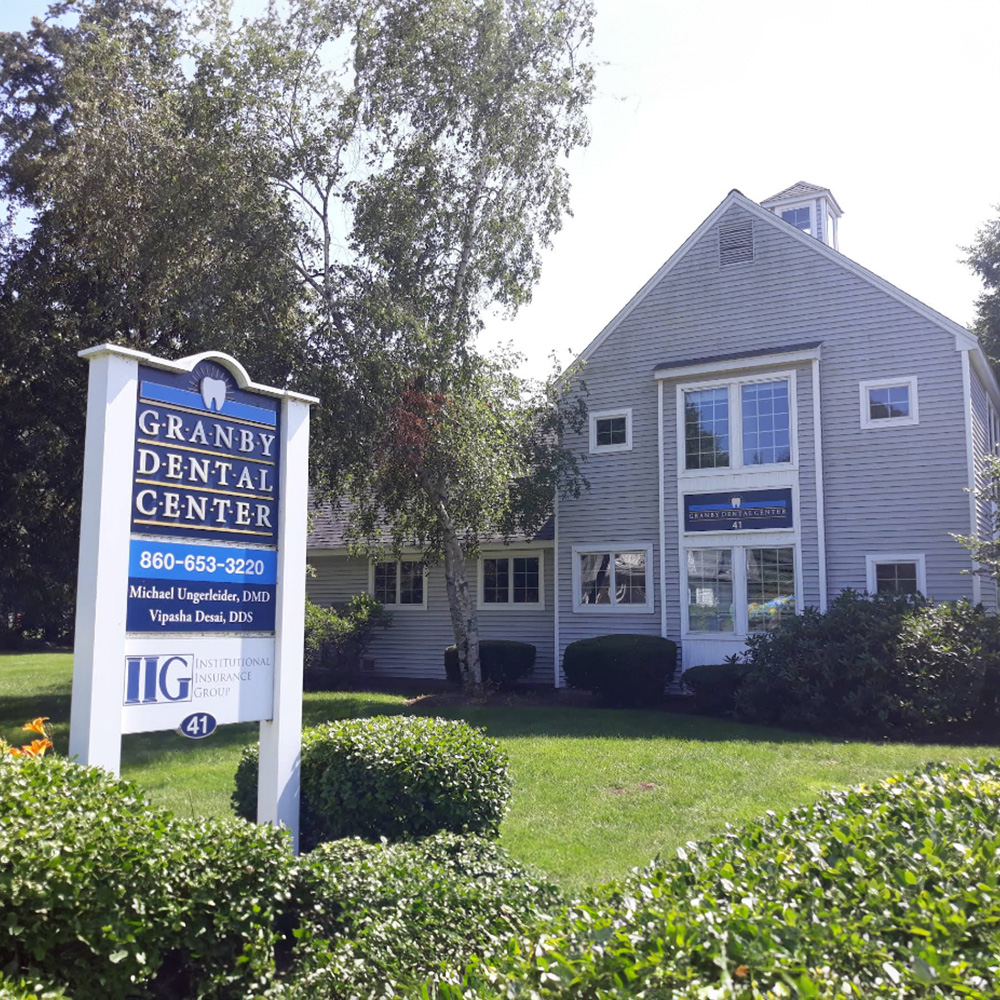
Scheduling your next visit to Granby Dental Center is quick and hassle-free. Whether you have a specific question about our services or just need to easily book a routine cleaning, our professional staff is here to provide clear answers and simple solutions.
We’ve made it easier than ever to get in touch: give us a call or use our quick online form. Don't put your oral health on the back burner, connect with us today and let us handle the details while you focus on your smile.