CEREC combines advanced imaging, design software, and precision milling to produce ceramic restorations in a single appointment. Instead of the traditional multiple-visit workflow, this technology streamlines diagnosis, preparation, and placement so patients can leave with a finished crown, inlay, or onlay the same day.
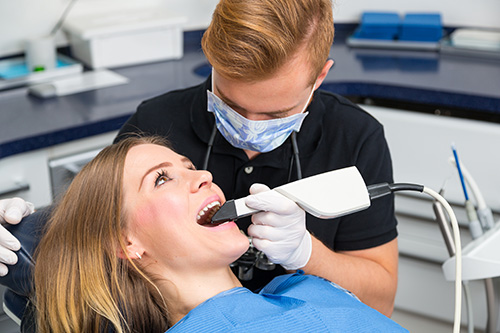
One of the most noticeable differences with CEREC is the way the tooth is captured. An ergonomically designed intraoral scanner records high-resolution, three-dimensional images of the prepared tooth and surrounding structures, replacing traditional impression materials. Patients generally find digital scanning more comfortable and less intrusive than conventional trays and putty.
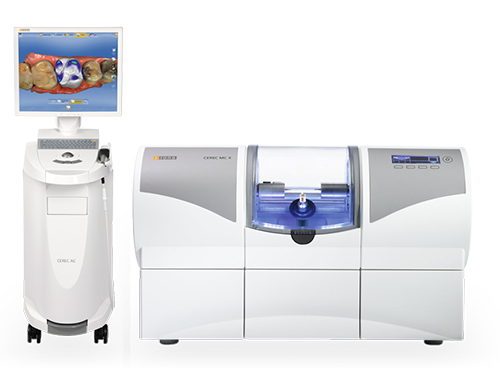
After scanning, specialized CAD/CAM software is used to design the restoration. The software allows the clinician to fine-tune shape, thickness, and contacts while visualizing how the piece will function in the bite. These adjustments are made with the goal of balancing function and aesthetics so the restoration complements the smile while performing reliably.

CEREC restorations are milled from high-quality ceramic materials that mimic the translucency and strength of natural tooth structure. These ceramics are biocompatible and resist staining, making them a reliable option for visible restorations where appearance matters as much as durability.
CEREC is versatile and well-suited for many restorative situations: single crowns, inlays and onlays, and replacement of failed restorations are common indications. It’s particularly useful when clinicians want to minimize appointments or when a single-visit solution reduces disruption to a patient’s schedule.
Not every case is identical, and candidacy depends on factors such as extent of decay, existing restorative work, and occlusal forces. During an evaluation, the dental team will review the condition of the tooth, available tooth structure, and aesthetic goals to determine whether a single-visit ceramic restoration is the most appropriate choice.
For patients with concerns about speed, comfort, or precision, CEREC often represents a compelling option. The practice will outline the clinical plan, describe the steps involved, and explain how the restoration will be maintained after placement so patients feel informed and prepared for their care.
Granby Dental Center incorporates CEREC into its restorative services to offer patients a digital-first approach when clinically appropriate. The technology supports efficient workflows without compromising the professional judgment and hands-on expertise that define quality care.
CEREC brings modern digital dentistry into a single-visit experience, combining comfort, accuracy, and aesthetic control. From digital scanning through chairside milling, the process is designed to reduce appointments and deliver restorations that look and perform like natural teeth.
If you’d like to learn more about how CEREC might fit your dental needs, please contact us for more information. Our team can explain the process and help determine whether this treatment is a suitable option for your smile.


CEREC is a chairside CAD/CAM system that enables clinicians to design, mill, and place ceramic restorations in a single appointment. The process begins with a high-resolution intraoral scan that captures a three-dimensional image of the prepared tooth and surrounding structures. That digital model is used to design a crown, onlay, or inlay with software tools that allow immediate adjustments for fit and occlusion.
Once the design is finalized, a compact milling unit fabricates the restoration from a solid ceramic block while the patient remains in the operatory. The milled piece can then be stained, glazed, and polished to match adjacent teeth before being bonded into place. Because the entire workflow takes place in a controlled clinical environment, clinicians can verify fit and aesthetics in real time and make any final refinements before adhesive cementation.
CEREC is versatile and commonly used to produce single crowns, inlays, onlays, and small veneers that restore form and function. It is also suitable for replacing failed restorations or repairing teeth that require conservative ceramic coverage rather than full-coverage metal-based options. The system supports a range of ceramic materials that are selected based on strength and esthetic needs.
Because CEREC restorations are designed chairside, clinicians can tailor shape, contacts, and occlusal anatomy to the specific clinical situation. The technology is particularly useful when minimizing appointments is desirable, while still maintaining precision and a customized result. Final material selection and case planning depend on factors such as available tooth structure and occlusal demands.
Digital intraoral scans replace trays and impression materials with a noninvasive camera that captures detailed three-dimensional images. Many patients find scanning more comfortable than conventional impressions, and clinicians benefit from instant visualization that allows immediate verification of margin clarity and soft-tissue capture. The resulting digital model reduces the risk of distortions that can occur with physical impressions and shipping to external labs.
Because scans can be reviewed and corrected chairside, fewer adjustments are typically needed after restoration fabrication. The improved fidelity of digital impressions often contributes to better marginal fit and reduced need for rework. This precision supports efficient adhesive protocols and a tight seal between restoration and tooth.
Candidacy for a CEREC restoration is determined by clinical factors such as the extent of decay or damage, remaining tooth structure, and occlusal forces on the tooth. Teeth that require single-unit ceramic coverage, conservative onlays, or replacement of existing small restorations are often well suited to a chairside workflow. The dentist will evaluate periodontal health, endodontic status, and bite relationships before recommending a single-visit ceramic solution.
Not every case is appropriate for chairside fabrication; complex rehabilitations, extensive multiunit bridges, or situations requiring specialized laboratory techniques may be better managed through traditional workflows. During the consultation, the dental team will explain why a CEREC restoration is or is not the optimal choice and outline alternative options when necessary. Clinical judgment and individualized planning ensure that treatment recommendations prioritize long-term function and tooth preservation.
CEREC restorations are milled from high-quality dental ceramics that mimic the translucency and light-reflecting properties of natural enamel. Common materials include lithium disilicate and feldspathic ceramics, each chosen for a balance of strength and esthetics appropriate to the case. These ceramics are biocompatible and resist staining, which helps maintain a lifelike appearance over time.
After milling, restorations can be stained, glazed, and polished to harmonize shade, surface texture, and occlusal anatomy with adjacent teeth. Because color and contour are evaluated chairside, clinicians can make immediate refinements to achieve a seamless blend. The result is a ceramic restoration that can be difficult to distinguish from natural dentition when properly designed and finished.
Following the digital scan, CAD software is used to design the restoration with attention to margins, proximal contacts, and occlusal relationships. The software allows the clinician to modify contours, thickness, and contact points while visualizing the restoration within the digital model of the mouth. These adjustments help ensure functional harmony and comfortable bite before fabrication begins.
Once the restoration is milled, the clinician evaluates fit, marginal integrity, and esthetics directly in the operatory and can make minor adjustments to contacts or occlusion. Final glazing and polishing are completed and the restoration is seated to confirm adaptation and patient comfort. That iterative, hands-on control during a single visit helps reduce the need for subsequent appointments to correct fit or appearance.
A typical CEREC appointment includes tooth preparation, digital scanning, digital design, milling, final adjustments, and adhesive bonding of the restoration. Patients can expect a streamlined experience without the need for temporary crowns or a second visit to place the final restoration. Local anesthesia is used as needed during preparation, and most patients experience minimal postoperative discomfort managed with routine measures.
After placement, clinicians will review home care instructions and recommend routine dental checkups to monitor both the restoration and surrounding tissues. Normal oral hygiene practices and protective measures, such as a nightguard if indicated, help preserve the restoration. Any early concerns about fit or bite should be reported promptly so minor adjustments can be made.
Adhesive bonding is integral to the success of ceramic restorations and typically involves careful isolation, tooth surface preparation, and the use of resin cements formulated for ceramic bonding. The ceramic surface is often etched and treated with a silane coupling agent to promote a durable chemical bond with the resin cement. Proper bonding technique enhances retention, reduces microleakage, and helps distribute functional forces across the restoration and tooth.
Clinicians will verify proper fit and contact relationships before final cementation to minimize adjustments after bonding. A meticulous adhesive protocol and appropriate occlusal management are important for long-term performance. Regular clinical exams help ensure that the bonded restoration remains stable and that surrounding tissues remain healthy.
When designed, milled, and bonded correctly, ceramic restorations produced with CEREC demonstrate excellent resistance to fracture and wear characteristics compatible with natural teeth. Longevity depends on factors such as occlusal forces, parafunctional habits, oral hygiene, and the amount of remaining tooth structure. Routine preventive care and timely intervention for any new dental issues contribute significantly to the restoration's durability.
Maintenance includes daily brushing and flossing, regular professional cleanings, and periodic examinations so the clinician can assess margins and contacts. For patients who clench or grind, protective appliances or occlusal adjustments may be recommended to reduce stress on the restoration. Prompt attention to chips, loose contacts, or changes in bite helps preserve both the restoration and tooth health.
CEREC's single-visit workflow shortens the treatment timeline by combining imaging, design, and fabrication into one appointment, which reduces the need for temporaries and follow-up visits for placement. This streamlined approach minimizes logistical steps like lab communication and shipping, allowing the dental team to retain direct control over quality and esthetic decisions. The immediacy of chairside evaluation also permits same-day refinements that would otherwise require additional appointments.
Despite the faster timeline, clinical planning and judgment remain essential; clinicians will determine when a laboratory workflow or staged treatment plan is more appropriate for complex cases. Effective coordination with other dental or medical providers continues to be important for interdisciplinary care. Clear communication during the consultation ensures patients understand the proposed approach and any subsequent maintenance steps.
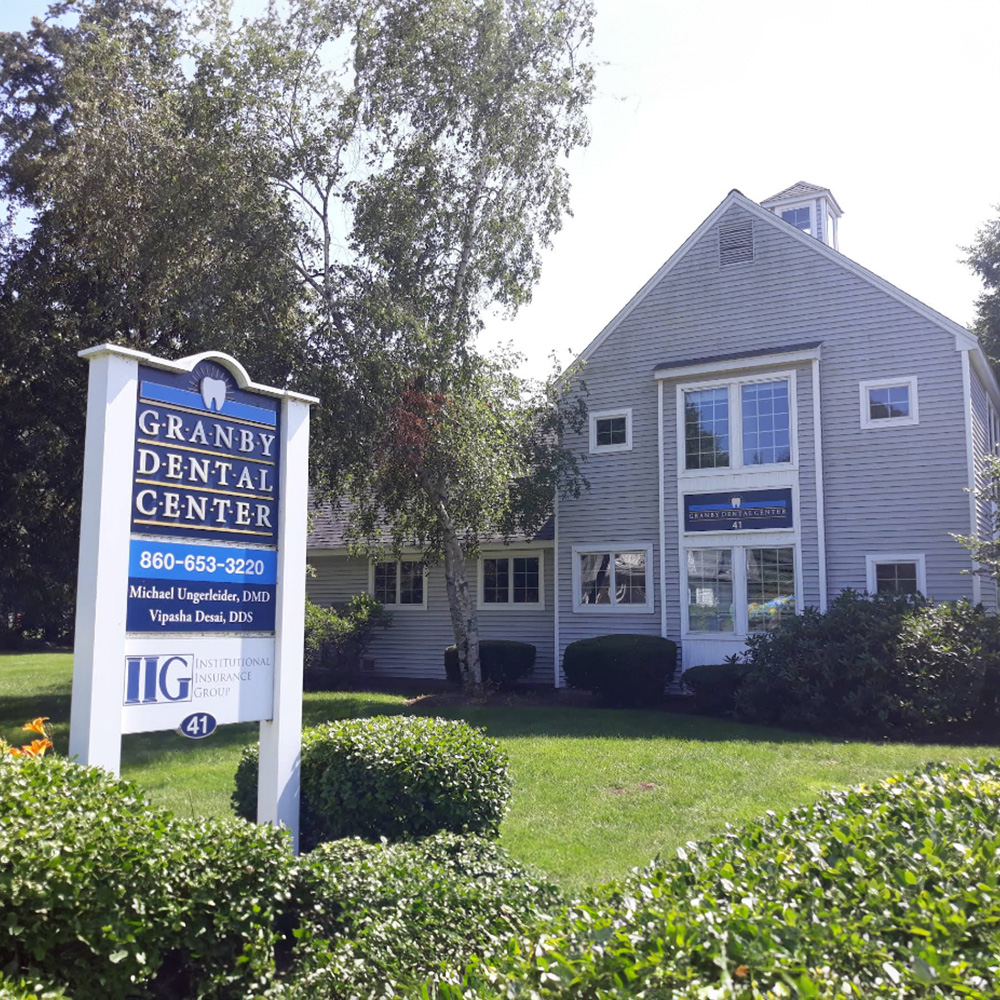
Scheduling your next visit to Granby Dental Center is quick and hassle-free. Whether you have a specific question about our services or just need to easily book a routine cleaning, our professional staff is here to provide clear answers and simple solutions.
We’ve made it easier than ever to get in touch: give us a call or use our quick online form. Don't put your oral health on the back burner, connect with us today and let us handle the details while you focus on your smile.