At Granby Dental Center, we believe a dental restoration should do more than repair a tooth — it should restore confidence, comfort, and function. Our approach to ceramic crowns focuses on modern materials and careful planning so that each restoration fits your mouth, your bite, and your expectations of a natural-looking smile.
Teeth face constant wear from chewing, accidents, and decay. When a tooth has lost too much structure for a filling to hold, a carefully designed crown becomes the best way to protect what remains and to recreate a reliable biting surface. Below you’ll find clear, practical information about ceramic crowns: what they can do, how they differ from other options, and what to expect from treatment.
Ceramic crowns are full-coverage restorations that encase the visible portion of a damaged tooth. Because they replace the tooth’s outer shell, they restore both strength and shape — protecting the internal tooth structure while recreating a natural bite surface. This makes crowns an excellent choice when a tooth has suffered extensive damage from decay, fracture, or after a large filling has failed.
For many patients, a crown is also the right option following root canal therapy. After the nerve and infected tissue are removed, the remaining tooth can become brittle and prone to fracture. A crown supports and seals the remaining tooth structure, reducing the chance of further damage and helping the tooth withstand the forces of chewing.
Ceramic crowns are versatile: they can be used to restore a single weakened tooth, to cap an implant, or to serve as the support for a bridge. Because today’s ceramics can be matched very closely to surrounding teeth, a single crown can also correct minor shape, size, or color discrepancies without drawing attention to the repair.
To rebuild a tooth with substantial decay or breakage
To replace a very large or failing filling
To restore the crown portion of an implant
To strengthen a tooth after root canal therapy
To improve the appearance of a misshapen, discolored, or undersized tooth
To correct small bite problems that compromise function

All-ceramic crowns are prized for their ability to mimic the optical properties of natural teeth. Light passes through modern ceramics in a way that resembles natural enamel, giving crowns depth and translucency that metal-based restorations cannot match. This makes ceramic crowns especially well-suited for front teeth or any area where appearance is a priority.
Beyond aesthetics, contemporary ceramic materials offer strong, predictable performance. Innovations in lithium disilicate and zirconia technologies have produced ceramics that combine beauty with durability, creating restorations that stand up to daily function while remaining metal-free — an advantage for patients with sensitivities or for those looking to avoid metal margins at the gumline.
Ceramic crowns are also kinder to the soft tissues around them. Because they are inert and highly polished, they tend to sit comfortably against gums and resist staining, which contributes to a healthier-looking smile over time. For many people, the combination of natural appearance and biocompatibility makes ceramic crowns a first-choice restorative option.
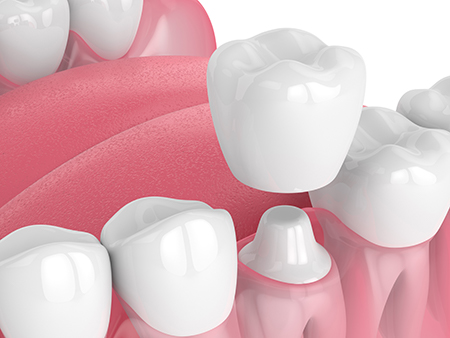
Not all ceramic crowns are the same. The ideal material depends on where the tooth sits, how much chewing pressure it will endure, and how important exact color matching is for the visible portion of your smile. Your dentist will evaluate these factors and recommend materials that balance strength and appearance.
Common choices include lithium disilicate, known for its excellent aesthetics and good strength; monolithic zirconia, prized for toughness and suitability for back teeth; and pressed porcelain variants that offer refined color matching for front teeth. High-translucency versions of zirconia and layered ceramics allow for very lifelike restorations when matched by skilled technicians.
Material selection also takes into account how much natural tooth remains. Some ceramics allow for more conservative tooth preparation, preserving enamel whenever possible. Preserving healthy enamel improves the long-term bond between the restoration and the tooth, reducing the risk of future complications.

The crown process typically unfolds over a few appointments. At the first visit, the tooth is prepared by removing any decay and shaping the remaining structure so the crown can fit securely. We take careful impressions or digital scans to capture the tooth and bite relationships, which guide the lab or in-office milling unit that will create the restoration.
While your permanent crown is being produced, a temporary crown protects the prepared tooth and helps maintain the correct bite. When the final restoration is ready, we check color, fit, and function before carefully bonding it in place. Adjustments are made as needed so the crown feels comfortable and blends naturally with neighboring teeth.
After placement, routine dental hygiene and regular checkups are the best ways to help your crown last. With proper care, ceramic crowns can provide many years of reliable service while preserving the health and appearance of the restored tooth and its surrounding tissues.
At Granby Dental Center, we bring a modern blend of material science and meticulous technique to every crown we place. Our focus is on selecting the right ceramic, applying precise preparation and bonding protocols, and ensuring the final result meets both functional needs and cosmetic goals.
We coordinate closely with dental laboratories and use digital tools when appropriate to achieve consistent color matching and fit. Our goal is to deliver a crown that integrates seamlessly into your smile and reduces the need for future adjustments.
If you'd like to learn more about ceramic crowns and whether they are the right option for your tooth, please contact us for more information. Our team is available to answer your questions and guide you toward the restorative solution that best supports your oral health and smile goals.


A ceramic crown is a full-coverage dental restoration that encases the visible portion of a damaged or weakened tooth. It replaces the tooth’s outer shell to restore shape, strength and chewing function while preserving the underlying structure. Modern ceramics are engineered to mimic the translucency and color of natural enamel so the restoration blends with adjacent teeth.
The crown is custom fabricated from impressions or digital scans and is bonded to the prepared tooth using adhesive cements. Once bonded, the crown protects the remaining tooth structure from fracture and wear while restoring proper bite relationships. Proper fit and occlusion help the restoration function reliably for many years with routine care.
Ceramic crowns are recommended when a tooth has lost too much structure for a filling to provide long-term support. Large cavities, fractured cusps, and teeth with failing restorations often require full-coverage protection to prevent further damage. Crowns are also commonly used after root canal therapy because treated teeth can become brittle and more prone to fracture.
Clinicians also select crowns when both function and esthetics are priorities, such as for visible teeth with extensive discoloration or misshapen anatomy. The decision balances how much natural tooth remains, the location of the tooth, and the patient’s bite forces. A careful clinical exam and imaging help determine whether a crown offers the most predictable outcome.
All-ceramic crowns are metal-free restorations that emphasize natural appearance and biocompatibility, while porcelain-fused-to-metal (PFM) crowns have a metal substructure covered by porcelain. PFMs can be strong but sometimes show a dark line at the gumline or transmit light differently than natural enamel. All-ceramic options generally offer superior translucency and color matching for front teeth.
Advances in ceramic materials such as lithium disilicate and high-translucency zirconia have narrowed the performance gap for strength, making all-ceramic crowns appropriate for many posterior applications as well. Material choice depends on the balance between esthetics and load-bearing requirements, and your dentist will recommend the best option for each tooth. Soft-tissue response and the desire to avoid metal margins are other factors that often favor ceramic restorations.
Common ceramic materials include lithium disilicate, monolithic zirconia, and layered porcelain systems, each with distinct properties. Lithium disilicate offers excellent esthetics and good strength, making it a popular choice for anterior and some posterior crowns. Monolithic zirconia provides exceptional toughness and wear resistance, which is useful for molars and patients with strong bite forces.
Layered porcelain systems allow the technician to create nuanced color and translucency for highly esthetic cases but may require careful handling to avoid chipping. Material selection also considers how conservative the tooth preparation must be and whether the restoration will be bonded or cemented conventionally. Your dentist will evaluate the tooth position, occlusion and esthetic goals before recommending the ideal ceramic type.
The crown process typically begins with an exam, any necessary treatment of decay or infection, and preparation of the tooth by reducing enamel to create space for the crown. The clinician will take digital scans or impressions and record the bite relationship to ensure proper occlusion. A temporary crown protects the prepared tooth while the final restoration is fabricated in a lab or milled in-office.
At the delivery appointment the dentist will verify shade, fit and contact relationships, make any minor adjustments, and bond or cement the crown using appropriate adhesive protocols. You can expect to receive care instructions for the temporary and final crowns, including guidance on chewing and oral hygiene. Follow-up appointments may be scheduled to confirm that the restoration is comfortable and functioning as intended.
Ceramic crowns can last many years, often a decade or longer, but their lifespan depends on several factors including material choice, oral hygiene, bite forces and the health of the supporting tooth and gums. Bruxism, improper occlusion, and recurrent decay at the crown margin are common reasons for premature failure. The quality of the tooth preparation, fit and bonding protocol also influence long-term performance.
Routine preventive care such as twice-daily brushing, flossing and regular dental checkups reduces the risk of complications and helps crowns remain functional. Night guards or occlusal adjustments may be recommended for patients with heavy bite forces or grinding to protect the restoration. Early attention to sensitivity, looseness or changes in bite can help address issues before they lead to failure.
Caring for a ceramic crown is similar to caring for natural teeth: maintain a consistent routine of brushing with a soft-bristled brush and flossing daily to prevent plaque buildup and gum disease. Use nonabrasive fluoride toothpaste and avoid excessively hard brushing motions that can irritate the gumline. Regular professional cleanings and exams allow the dentist to monitor margins and the health of the tooth beneath the crown.
Avoid using teeth as tools to open packages or to bite very hard objects which can stress the restoration. If you clench or grind your teeth, discuss a protective night guard with your dentist to limit wear and fracture risk. Report any persistent sensitivity, looseness or roughness so adjustments or repairs can be made promptly.
Yes, ceramic crowns are an excellent option for patients who prefer to avoid metal due to allergies, sensitivities or aesthetic concerns. Because they are metal-free and highly polished, most ceramics are well tolerated by surrounding gum tissue and do not produce the galvanic reactions that some patients experience with metal restorations. Their biocompatible nature also reduces the risk of discoloration at the gumline associated with certain metal-backed crowns.
Your dentist will review your medical and dental history and can recommend specific ceramic materials based on tissue response and esthetic goals. In cases of known allergy to metals, all-ceramic restorations provide a reliable alternative while maintaining function and appearance. Diagnostic testing or consultation with a specialist is rarely required but can be arranged when concerns arise.
Ceramic crowns are commonly used as implant restorations and as the pontics or retainers in bridges when esthetics and biocompatibility are priorities. For implants, the crown is designed to connect to an abutment that secures it to the implant fixture, and materials are selected to balance appearance and load-bearing requirements. For multiunit bridges, ceramics can provide a natural-looking solution when laboratory technique and material selection account for the increased forces across the span.
When planning implant or bridge restorations, the dentist evaluates implant positioning, occlusion and the thickness of surrounding gum tissue to choose the appropriate ceramic system. High-strength ceramics such as zirconia are often favored for posterior implant crowns, while layered or lithium disilicate options may be chosen for visible anterior restorations. Careful coordination with the dental laboratory ensures consistent shade matching and fit for implant and fixed prosthetic work.
At Granby Dental Center we combine updated material science with precise clinical technique to deliver ceramic crowns that meet functional and cosmetic goals. Our team uses digital imaging and collaborates with skilled dental laboratories to achieve accurate fit and natural-looking shade matching for each restoration. We emphasize conservative tooth preparation and evidence-based bonding protocols to support durable outcomes.
We also provide detailed preoperative consultations and follow-up care to monitor crown performance and oral health over time. If you have questions about whether a ceramic crown is the right option for your tooth, our clinicians can explain the pros and cons of available materials and outline a care plan tailored to your needs. Patients benefit from clear communication and clinical planning aimed at long-term health and a confident smile.
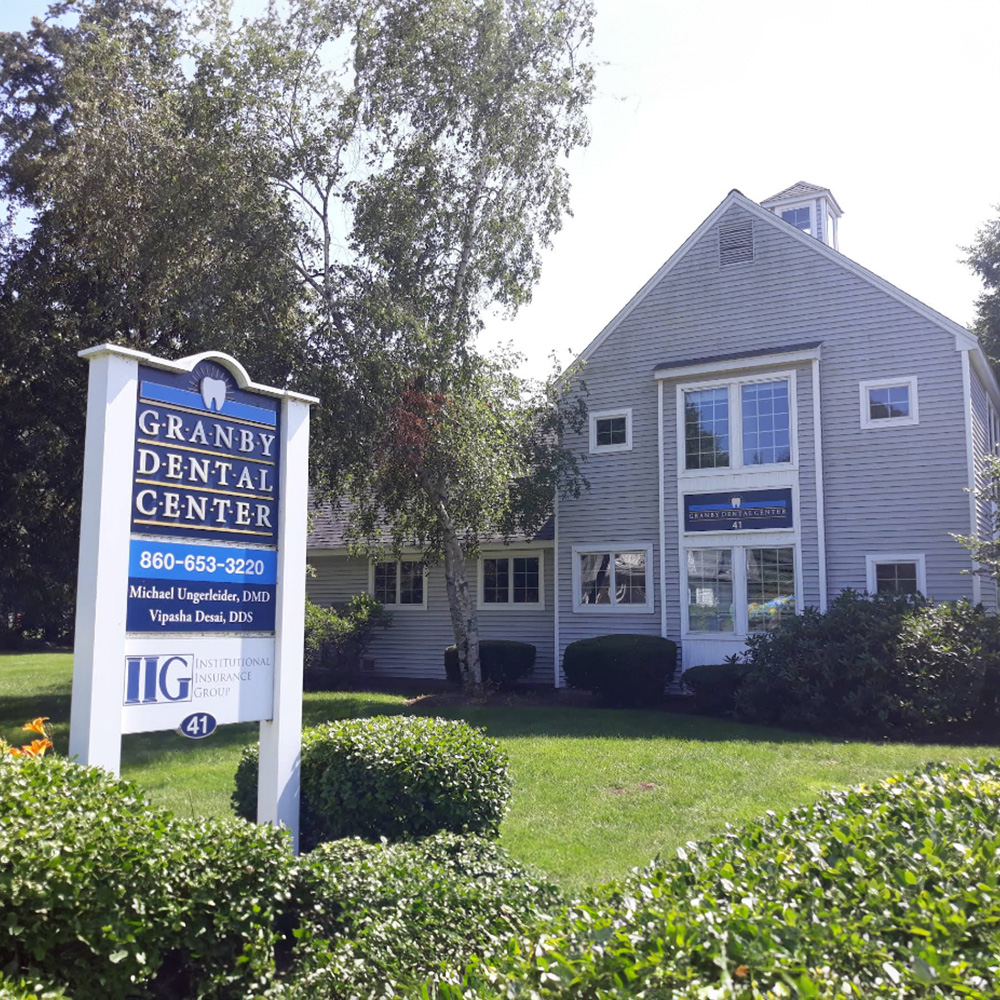
Scheduling your next visit to Granby Dental Center is quick and hassle-free. Whether you have a specific question about our services or just need to easily book a routine cleaning, our professional staff is here to provide clear answers and simple solutions.
We’ve made it easier than ever to get in touch: give us a call or use our quick online form. Don't put your oral health on the back burner, connect with us today and let us handle the details while you focus on your smile.