All-on-6® is a modern approach to replacing an entire upper or lower dental arch using six precisely positioned implants to support a fixed prosthesis. Unlike removable dentures, this method delivers a permanent restoration that mimics the look, function, and feel of natural teeth. The design relies on careful implant placement to distribute chewing forces evenly, which helps create a comfortable, secure bite without the need for adhesives or nightly removal.
For many patients, All-on-6® is chosen because it balances surgical efficiency with long-term stability. Using six implants per arch increases the points of anchorage compared with four-implant approaches, often improving biomechanical support where bone volume is sufficient. This makes it a sensible option when the goal is a durable, low-maintenance full-arch restoration that restores confidence in eating and speaking.
While the concept is straightforward, success depends on thorough planning and execution. Treatment starts with a detailed evaluation of oral health, bone structure, and functional needs, followed by a coordinated surgical and restorative plan. A skilled dental team aligns implant positioning with the prosthetic design so the final restoration is predictable, comfortable, and aesthetically pleasing.
All-on-6® is typically recommended for people who have lost most or all teeth in an arch, or whose remaining teeth are not salvageable due to extensive decay, periodontal disease, or trauma. It can also be a good option for patients who find removable dentures unstable, uncomfortable, or functionally limiting. The procedure is tailored to individuals who want a fixed solution and are ready to commit to the treatment and follow-up care required for implants.
Evaluation begins with a comprehensive oral exam and diagnostic imaging, often including 3D scans, to map bone volume and anatomical landmarks. The dentist assesses general health, healing capacity, and habits such as smoking that may affect outcomes. Where bone quality is favorable, All-on-6® can proceed without extensive grafting; where support is lacking, the team will discuss alternative strategies that protect long-term success.
Because each patient’s situation is unique, candidacy is determined by a combination of medical history, oral conditions, and lifestyle considerations. The clinical team will outline realistic expectations for function and appearance, and will explain any preparatory procedures that could improve the prognosis, always focusing on creating a restoration that is both comfortable and sustainable.
The All-on-6® pathway typically follows a predictable sequence: initial consultation and planning, surgical placement of six implants, and delivery of a provisional prosthesis, followed by a period of healing called osseointegration. During the surgical visit, implants are positioned in predetermined locations to maximize support while avoiding critical anatomical structures. Many patients receive a temporary set of teeth at the same appointment or soon after, allowing them to leave the office with immediate function.
Over the next few months the implants integrate with the jawbone, forming a stable foundation. Once integration is confirmed, the temporary prosthesis is replaced with a custom-made permanent bridge designed for optimal fit, strength, and esthetics. This two-stage approach — immediate temporization followed by the final restoration — helps patients maintain appearance and function throughout recovery.
Throughout treatment, the dental team monitors healing and adjusts the restoration as needed to ensure comfort and proper function. Post-operative care instructions, including oral hygiene practices and dietary guidance during the integration phase, are provided to promote successful outcomes. Clear communication and follow-up visits are essential components of a smooth transition from surgery to the finished prosthesis.
Once the permanent All-on-6® prosthesis is in place, patients generally experience significant improvements in chewing ability, speech clarity, and overall comfort compared with conventional removable dentures. The fixed nature of the restoration means there is no slipping or clicking, and many daily activities such as eating crunchy or fibrous foods become more manageable. The restoration is designed to replicate natural tooth proportions and alignment, contributing to a balanced bite and improved facial support.
Comfort also comes from the elimination of denture adhesives and the inability to remove the prosthesis casually. Because the restoration is maintained in the mouth like natural teeth, patients often report a restored sense of normalcy in their oral function. That said, adaptation varies and some initial changes in sensation or muscle use are expected as the mouth adjusts to the new prosthesis.
Cosmetic considerations receive equal attention: the prosthetic teeth are customized for color, shape, and position so the smile looks harmonious with facial features. This focus on aesthetics and function helps many patients feel more confident socially and professionally, with a natural-looking result that integrates seamlessly into everyday life.
Good long-term outcomes for All-on-6® rely on regular maintenance and routine dental care. Daily oral hygiene practices include brushing the prosthesis and cleaning around implant abutments with interdental brushes or floss designed for implants. Periodic professional cleanings and examinations allow the dental team to check implant stability, prosthesis integrity, and surrounding soft tissue health, catching any issues early.
Lifestyle factors such as tobacco use and certain health conditions can influence implant success and should be discussed with the care team. Bone health, immune status, and habits like bruxism are also relevant to longevity, and the practice will recommend preventive strategies or protective devices when appropriate. With attentive care, implants and their restorations can provide many years of reliable service.
When concerns arise — for example, changes in fit, unexpected discomfort, or signs of inflammation — prompt evaluation helps determine whether simple adjustments or targeted treatments are needed. The goal is to preserve function and comfort while avoiding complications, ensuring the restoration continues to support the patient’s quality of life over the long term.
Selecting a provider with experience in full-arch implant solutions is an important step toward a successful All-on-6® outcome. Look for a dental team that emphasizes comprehensive planning, advanced imaging, and coordination between surgical and restorative phases. Clear explanations of the treatment sequence, realistic expectations, and a detailed maintenance plan are hallmarks of a practice committed to predictable results.
At the office of Granby Dental Center, the approach centers on individualized treatment planning and patient education so each person understands the process from consultation through long-term care. Collaboration across specialties may be used when beneficial, ensuring that both the surgical placement and the prosthetic design align with the patient’s functional and cosmetic goals.
If you are considering All-on-6® and want to explore whether it’s the right path for you, contact us to arrange a consultation. Our team can review your oral health, discuss possible treatment options, and outline the steps needed to restore a stable, natural-feeling smile.


All-on-6® is a full-arch dental restoration that uses six strategically placed implants to support a fixed prosthesis, replacing an entire upper or lower arch of teeth. The additional implants provide more points of anchorage than four-implant designs, which can improve load distribution and biomechanical support when bone volume allows. Because the prosthesis is fixed, patients do not remove it daily, and it functions more like natural teeth than a removable denture.
The treatment emphasizes coordinated surgical and restorative planning so implant positions align with the prosthetic design for predictable esthetics and function. Advanced imaging and careful evaluation of bone anatomy guide implant placement to avoid critical structures and maximize long-term stability. The result aims to restore chewing ability, speech, and facial support in a durable, low-maintenance way.
Ideal candidates are people who have lost most or all teeth in an arch or whose remaining teeth are not salvageable due to extensive decay, periodontal disease, or trauma. Patients who find removable dentures unstable or limiting, and those seeking a fixed solution, often consider All-on-6®. Medical history, oral health, and habits such as smoking are also evaluated because they can affect healing and long-term outcomes.
Candidacy is determined case by case through an assessment of bone volume, soft tissue condition, and overall health. When adequate bone exists, the six-implant approach can proceed without extensive grafting; if bone is deficient, alternative strategies or preparatory procedures will be discussed to improve prognosis. The clinical team will explain realistic expectations for function and appearance based on individual findings.
Evaluation begins with a comprehensive oral exam and diagnostic imaging, often including 3D cone-beam computed tomography (CBCT) to map bone volume and anatomical landmarks. The dentist reviews medical history, current medications, and lifestyle factors that influence healing, such as tobacco use or uncontrolled systemic conditions. Intraoral assessments measure soft tissue health, bite relationships, and any remaining teeth that may need extraction or treatment.
These diagnostic steps allow the team to create a coordinated surgical and restorative plan that positions implants for optimal support and esthetics. When necessary, additional interventions—such as ridge preservation, minor grafting, or periodontal care—are recommended to ensure a stable foundation. Clear communication about risks, timelines, and maintenance needs helps patients make informed decisions about proceeding.
The process typically starts with planning and imaging, followed by surgical placement of six implants in the jaw and provision of a temporary prosthesis either the same day or shortly after surgery. Implant placement is guided by the restorative plan so implants support the final bridge in biomechanics and esthetic position. Patients usually wear a provisional restoration during the osseointegration period to maintain function and appearance.
After several months, once integration is confirmed, the temporary prosthesis is replaced with a custom-made permanent bridge designed for fit, strength, and appearance. The restorative phase includes adjustments to occlusion and aesthetics to ensure comfort and proper function. Throughout the journey, follow-up visits monitor healing, address any concerns, and refine the final restoration as needed.
Initial recovery after implant surgery usually involves mild-to-moderate swelling and discomfort that can be managed with prescribed or over-the-counter medications and post-operative instructions. Soft tissues typically heal within a few weeks, but the critical phase of osseointegration—when bone fuses to the implant surface—takes longer and varies by patient. Most clinicians monitor integration over a period of a few months before loading implants with the final restoration.
During healing, patients are given dietary guidance and oral hygiene protocols to protect the surgical sites and provisional prosthesis. Regular follow-up appointments allow the dental team to assess progress and make adjustments to the temporary restoration if necessary. Adherence to post-operative care and avoiding habits that stress implants, such as heavy smoking or uncontrolled bruxism, supports successful integration.
Daily care for an All-on-6® restoration includes brushing the prosthetic teeth and cleaning around the implant abutments with interdental brushes or floss designed for implants to remove plaque and food debris. Patients should follow a consistent routine that combines mechanical cleaning with rinsing as recommended by the dental team. Attention to the soft tissues around implants helps maintain gum health and detect early signs of inflammation.
Professional maintenance is equally important; regular dental checkups and cleanings allow clinicians to evaluate implant stability, prosthesis integrity, and surrounding tissue health. The practice may recommend specialized hygiene tools or adjunctive therapies when needed and will advise on protective measures if the patient has bruxism. Ongoing communication with the care team ensures small issues are caught and managed before they become complications.
As with any implant treatment, risks include infection, implant failure, nerve or sinus complications if anatomical structures are not properly assessed, and peri-implant inflammatory conditions if hygiene is inadequate. Surgical planning and sterile technique reduce many of these risks, while careful patient selection and management of medical conditions support healing. Early detection and prompt management of symptoms such as persistent pain, swelling, or mobility are important for preserving outcomes.
Long-term success depends on factors such as bone quality, systemic health, smoking status, and adherence to maintenance protocols. The dental team will explain how to minimize risk through preoperative preparation, optimized surgical technique, and routine follow-up. When complications arise, the practice evaluates whether noninvasive treatment, prosthetic adjustment, or additional surgical intervention is indicated to restore stability and function.
Traditional removable dentures rest on the gums and rely on suction, adhesives, or clasps for retention, which can allow movement and limit chewing efficiency. Implant-supported overdentures are secured to implants but are typically removable and may use fewer implants than a full fixed bridge. All-on-6® offers a fixed, non-removable solution that more closely mimics natural dentition in terms of stability and function when clinical conditions permit.
The fixed nature of an All-on-6® prosthesis reduces concerns about slipping or daily removal, and it can improve chewing force and patient confidence for many activities. However, it requires commitment to surgical treatment and long-term maintenance similar to natural teeth. Each option has trade-offs, so clinicians discuss the pros and cons relative to bone availability, patient preferences, and functional goals during consultation.
Implant-supported restorations have the potential for long service life when placed and maintained properly, with many patients enjoying functional benefits for many years. Implant longevity depends on factors such as bone health, oral hygiene, systemic conditions, and avoidance of damaging habits like heavy smoking or uncontrolled clenching. The prosthetic components may experience wear or require repairs over time, and routine maintenance helps identify when adjustments or replacements are needed.
Regular professional care and adherence to home hygiene protocols are key to preserving both implants and the prosthesis. The dental team will schedule periodic evaluations to review implant stability, tissue health, and prosthetic fit, addressing minor issues before they escalate. With attentive care and appropriate follow-up, the All-on-6® solution can provide a durable and reliable restoration for many patients.
Select a provider or team with demonstrable experience in full-arch implant solutions and a coordinated approach between surgical and restorative specialists. Look for practices that use comprehensive diagnostic tools such as 3D imaging, present clear treatment plans, and explain the sequence of care, expected timelines, and maintenance requirements. An experienced team prioritizes predictable outcomes through careful planning, communication, and attention to both function and esthetics.
At Granby Dental Center, our focus is on individualized treatment planning and patient education so each person understands the process from consultation through long-term care. When evaluating a provider, ask about their clinical protocols, follow-up plan, and how they manage complications or prosthetic maintenance to ensure your expectations are aligned with the proposed treatment.
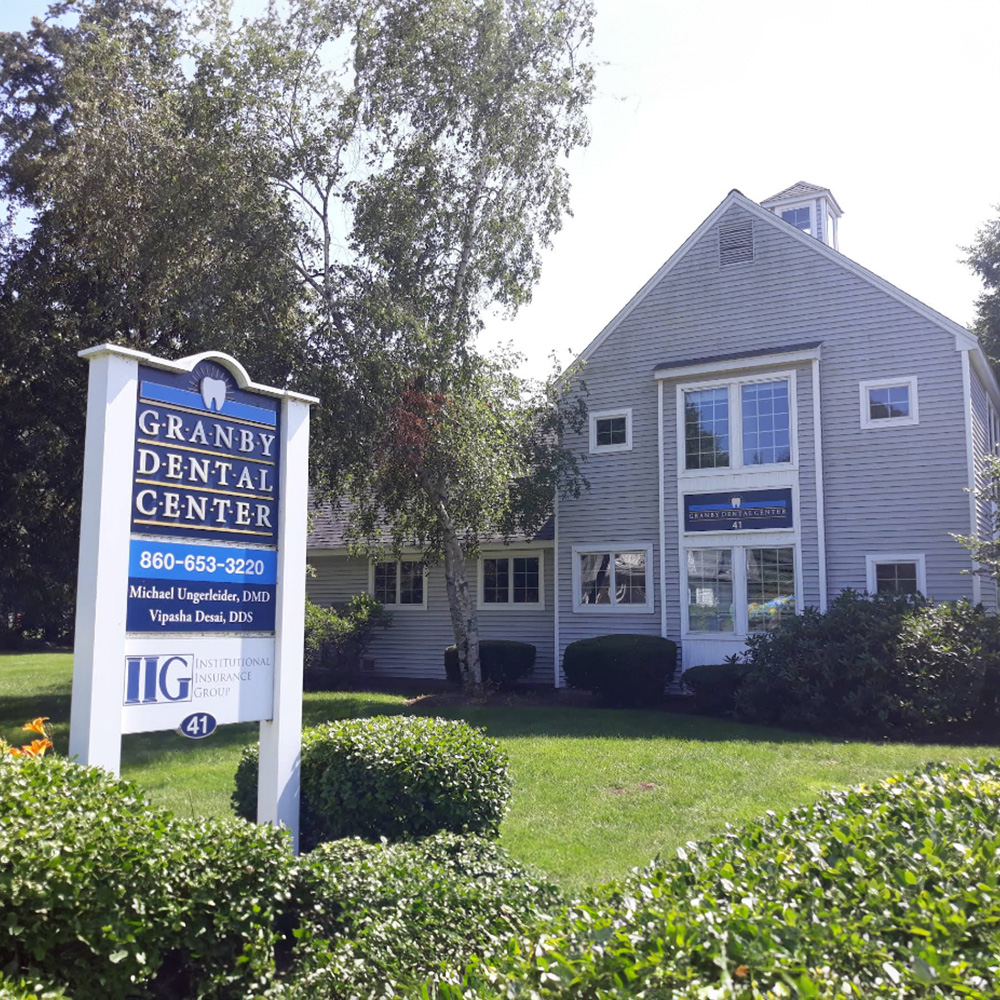
Scheduling your next visit to Granby Dental Center is quick and hassle-free. Whether you have a specific question about our services or just need to easily book a routine cleaning, our professional staff is here to provide clear answers and simple solutions.
We’ve made it easier than ever to get in touch: give us a call or use our quick online form. Don't put your oral health on the back burner, connect with us today and let us handle the details while you focus on your smile.